
Netherlands Enforces Settlement Goods Ban with Strict Airport Searches
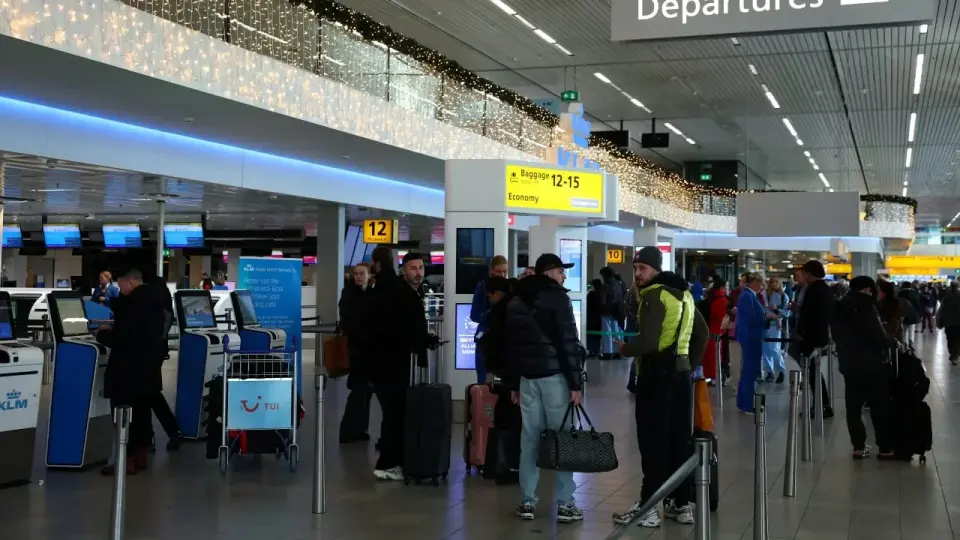
The Netherlands has begun enforcing a ban on importing goods from Israeli settlements in the West Bank, Golan Heights, and East Jerusalem. Effective September 22, 2026, the measure includes rigorous baggage inspections at Schiphol Airport for travelers arriving from Israel. Violations carry severe penalties, including up to six years in prison for intentional circumvention. While Israeli officials warn of economic ripple effects, Dutch authorities are actively screening for prohibited items like wine and dates.
Key points
- The Netherlands enacted a ban on settlement goods on September 22, 2026, covering the West Bank, Golan Heights, and East Jerusalem.
- Schiphol Airport is now conducting targeted searches of luggage from Israeli flights, specifically looking for items like wine, dates, and olives.
- The ban applies even if only one ingredient of a product originates from a settlement, regardless of where the final product was assembled.
- Intentional violations of the sanctions can result in imprisonment for up to six years or significant fines.
- The law is retroactive, meaning penalties apply to goods purchased before the ban took effect.
Background
This enforcement follows earlier diplomatic tensions, including Israel expelling Dutch staff from a Gaza aid center in August 2026 after the Netherlands adopted anti-Israel measures. The move coincides with increased international scrutiny of settlement activity, including recent reports of olive tree destruction in the West Bank ahead of the harvest season.
How outlets are covering it
The Jerusalem Post highlights the strict enforcement at Schiphol, noting that customs officers are singling out Israeli passengers for screening, a move described by the conservative site Nieuwsrecht as a 'witch hunt.' In contrast, Haaretz frames the issue as an economic imperative, arguing that Israel’s private sector must separate from settlement supply chains to prevent broader trade collapse. Meanwhile, Yaffa News Network reports on warnings from Israeli researcher Michael Oren, who fears this specific ban could trigger a 'tsunami' of sanctions against Israel’s entire economy, potentially threatening its global trade relationships and reliance on U.S. support.
Why it matters
The enforcement marks a shift from diplomatic statements to concrete legal and logistical barriers for Israeli trade. It signals that European nations are willing to impose severe criminal penalties for minor infractions, potentially chilling tourism and personal travel. For Israel, it raises the stakes of economic isolation, as the inability to distinguish between domestic and settlement goods could lead to broader boycotts of the entire national economy.
What to watch
Observers will watch for the first major legal cases involving travelers or businesses caught with prohibited goods. Israel may seek diplomatic interventions to mitigate the impact on its tourism and export sectors, while the Netherlands is expected to maintain the presence of the Royal Netherlands Marechaussee at airports to ensure compliance with the new sanctions regime.
- Israeli passengers stopped, searched at Dutch airport as West Bank import crackdown begins The Jerusalem Post
- Dutch customs authorities search luggage of El Al passengers as new ban on bringing in items from West Bank settlements, Golan takes effect The Times of Israel
- Israel revokes diplomatic status of Dutch diplomats in Ramallah Reuters
- Opinion | To save Israel's economy, businesses must separate from the settlements Haaretz
- Israeli Warning: Boycott of Settlement Products Could Expand to Israel’s Entire Economy شبكة يافا الإخبارية
Want the full story? Read the original reporting
Read on The Jerusalem Post