
Germany-Russia Diplomatic Rupture Escalates After Leipzig Drone Attack
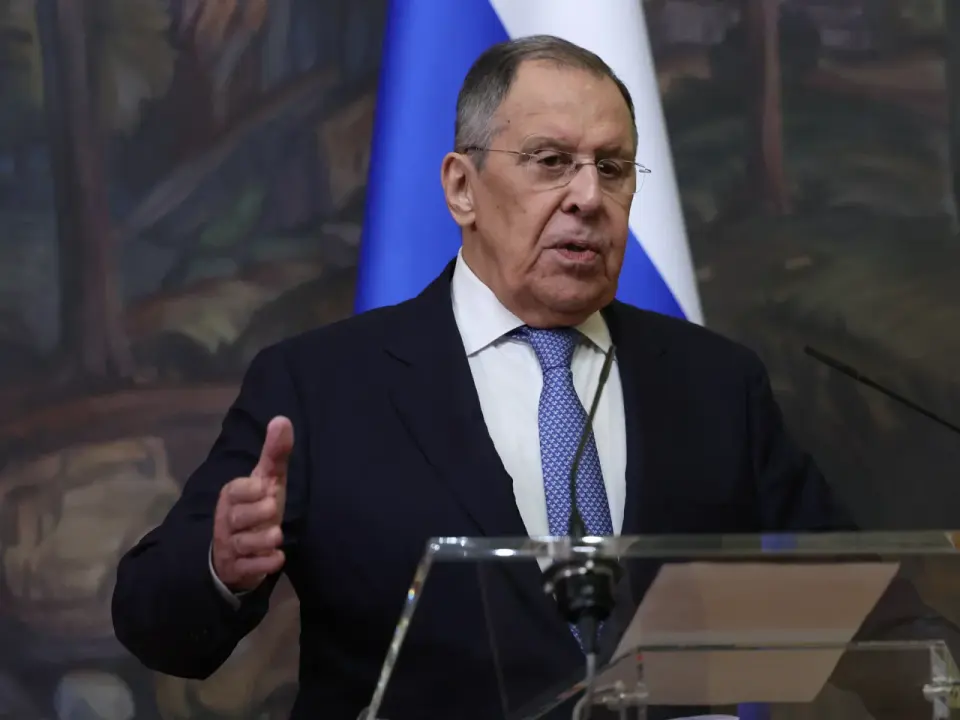
Moscow has ordered the closure of the German consulate in St Petersburg by September 18, a direct retaliation for Berlin’s recent shuttering of Russian diplomatic and cultural sites. This move follows Germany’s accusation that Russia orchestrated a failed drone attack on Leipzig/Halle Airport, an incident described by EU leaders as state-sponsored terrorism. While Russia denies involvement, calling the evidence 'planted,' the incident has triggered a broader European response, including new sanctions discussions and infrastructure sabotage alerts across Germany and Poland.
Key points
- Russia’s Foreign Ministry ordered all staff from the German consulate in St Petersburg to leave by September 18, mirroring Berlin’s closure of the Russian consulate in Bonn and the Russian House in Berlin.
- Germany accused Moscow of orchestrating a drone attack on Leipzig/Halle Airport on August 4, which targeted a Ukrainian cargo plane; the device was defused by a robot, and a second drone reportedly collided with another aircraft.
- EU Commission President Ursula von der Leyen labeled the incident 'state-sponsored terrorism' and vowed to increase pressure on Russia, while NATO Secretary General Mark Rutte affirmed full solidarity with Germany.
- Russian Foreign Minister Sergey Lavrov dismissed the allegations as 'entirely unfounded' and warned that Berlin’s actions mark the 'beginning of a real war,' drawing parallels to pre-World War II tensions.
- Germany has provided over $50bn in civilian aid and $67bn in military assistance to Ukraine since 2022, making it one of Kyiv’s strongest European supporters.
Background
This escalation follows a period of deteriorating relations since Russia’s 2022 invasion of Ukraine. Recent months have seen increased hybrid threats, including drone disruptions to oil exports and infrastructure attacks. In July 2026, diplomatic tensions were further highlighted by Kazakhstan’s push for a war freeze, while August saw Russia intensify domestic recruitment drives amid battlefield losses. The current crisis represents a significant step beyond previous diplomatic spats, involving direct accusations of terrorism on EU soil.
How outlets are covering it
Al Jazeera emphasizes the tit-for-tat nature of the diplomatic closures, highlighting the 'new low' in Moscow-Berlin relations and Russia’s accusation that Germany bears 'full responsibility' for the escalation. BBC focuses on the broader European response, detailing how EU and NATO leaders are coordinating sanctions and visa restrictions, while also noting recent sabotage incidents in Germany and Poland that suggest a pattern of hybrid warfare. AP News, though largely obscured by technical code in the provided text, is referenced in the context of labeling the attack 'state-sponsored terrorism,' aligning with the EU’s hardline stance. The outlets differ in emphasis: Al Jazeera centers on the bilateral diplomatic rupture, while BBC and AP highlight the collective Western security response and the potential for further escalation through infrastructure attacks.
Why it matters
The closure of diplomatic missions signals a potential breakdown in communication channels between two major European powers, increasing the risk of miscalculation. The EU’s move to tighten sanctions and restrict visas indicates a shift from passive support to active countermeasures against Russian hybrid operations. Furthermore, the reported sabotage of power grids in Germany and Poland suggests that the conflict is spilling over into critical infrastructure, threatening energy security and public safety across the continent.
What to watch
Expect further diplomatic isolation of Russia as EU foreign ministers finalize new sanctions packages, potentially including the use of frozen Russian assets to fund Ukraine. Germany and its allies may implement stricter visa restrictions for Russian nationals. Conversely, Russia may escalate its hybrid operations or sever remaining diplomatic ties if Berlin does not reverse its measures. The situation will likely influence upcoming NATO summits, where the focus will shift to defending eastern flank infrastructure against drone and sabotage threats.
- Russia shutters German consulate as diplomatic freeze deepens Al Jazeera
- Lavrov Warns That Germany Is Moving Toward War With Russia Bloomberg.com
- EU struggles to find an effective response after Germany blames Russia for a failed drone attack AP News
- EU and Nato vow to step up pressure on Russia after 'new escalation' in Germany BBC
- Russia says it is closing German consulate in St. Petersburg dw.com
Want the full story? Read the original reporting
Read on Al Jazeera