
Seoul Condemns Kyiv’s UN Disclosure of North Korean POW Transfer
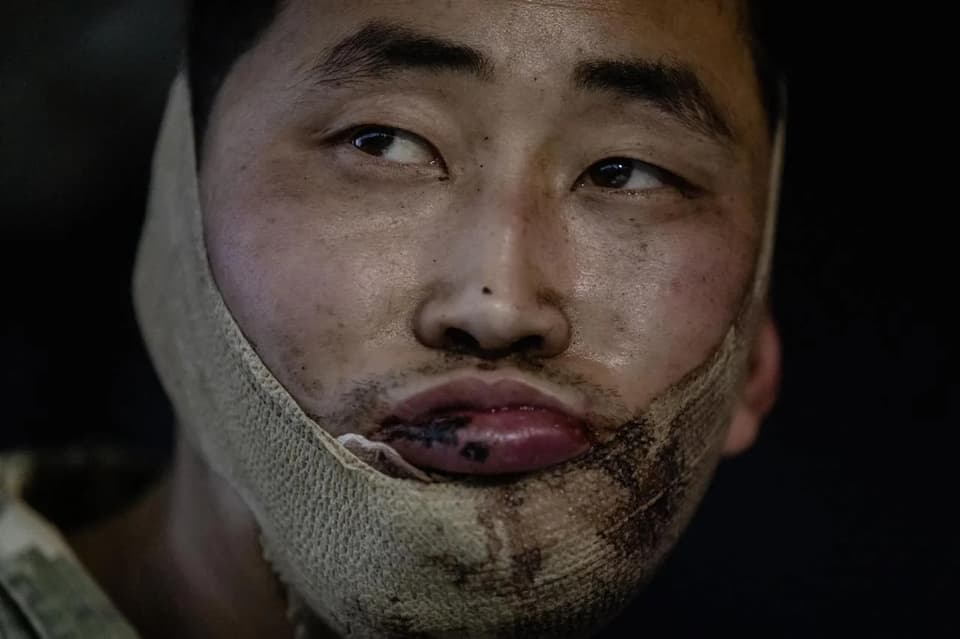
South Korea accused Ukraine of violating a confidentiality agreement after President Volodymyr Zelensky publicly announced the transfer of two North Korean prisoners of war to Seoul during a UN speech. While Kyiv defended the disclosure as necessary transparency, Seoul argued that revealing the transfer jeopardized diplomatic security and the safety of the individuals involved. The dispute highlights the delicate balance between humanitarian transparency and strategic secrecy in the context of North Korea’s military involvement in the Russia-Ukraine war.
Key points
- Zelensky disclosed the transfer of two North Korean POWs to South Korea during a September 23 UN General Assembly address.
- South Korean President Lee Jae Myung stated the disclosure violated a prior non-disclosure agreement between the two nations.
- Kyiv argued that while details were withheld, confirming the transfer’s existence was not 'strange' and was necessary for public awareness.
- The two soldiers were captured in Russia’s Kursk Oblast in January 2025 and had expressed a desire to defect to South Korea.
- South Korea’s Foreign Ministry declined to confirm operational details, citing the safety of the individuals and their families.
Background
This dispute follows a series of diplomatic engagements between Seoul and Kyiv regarding the status of North Korean troops captured in the Russia-Ukraine conflict. In March 2026, foreign ministers from both countries agreed to cooperate on the POW issue under humanitarian principles. A subsequent July summit in Ankara between Lee and Zelensky reaffirmed the commitment to resolve the POW status in accordance with international law and the free will of the individuals. The current controversy arises from the public nature of Zelensky’s announcement, which Seoul viewed as a breach of the agreed-upon discretion required to protect the POWs and manage regional security sensitivities.
How outlets are covering it
The Kyiv Independent and Al Jazeera both report on the core facts of the transfer and the subsequent diplomatic friction, but they emphasize different aspects of the conflict. The Kyiv Independent focuses on the legal and procedural breach, highlighting South Korean President Lee’s explicit statement that the disclosure violated a confidentiality agreement and jeopardized diplomatic security. In contrast, Al Jazeera places greater emphasis on the humanitarian and political context, detailing Zelensky’s criticism of North Korea for using its citizens as 'currency' in the war and the soldiers' expressed desire to defect. While both outlets confirm the transfer occurred, The Kyiv Independent frames the issue as a diplomatic dispute over secrecy, whereas Al Jazeera frames it as a humanitarian act that inadvertently triggered a diplomatic row. Neither outlet provides conflicting factual data, but they offer different lenses on the motivations and consequences of the disclosure.
Why it matters
The dispute underscores the complex diplomatic challenges surrounding the transfer of North Korean POWs, a highly sensitive issue that intersects with regional security, humanitarian law, and the broader Russia-Ukraine war. It highlights the tension between transparency and security in international relations, particularly when dealing with a regime like North Korea that is a close ally of Russia. The incident may influence future cooperation between Ukraine and South Korea on prisoner exchanges and could have implications for North Korea’s military strategy and its relationship with Russia. Additionally, it raises questions about the treatment of POWs and the rights of individuals to seek asylum or defect, which are critical issues in the context of the ongoing conflict.
What to watch
The immediate next steps will likely involve diplomatic negotiations between Kyiv and Seoul to address the breach of the confidentiality agreement and to establish clearer protocols for future disclosures. South Korea may seek to reinforce its position on the importance of discretion in handling sensitive security matters, while Ukraine may continue to advocate for transparency in humanitarian actions. The situation could also influence North Korea’s response, as the public disclosure may be seen as a provocation or a signal of weakness. Long-term, the incident may shape the broader framework for prisoner exchanges and cooperation between Ukraine, South Korea, and potentially other nations involved in the conflict.
- Zelensky breaches confidentiality agreement by disclosing transfer of North Korean POWs, South Korea says The Kyiv Independent
- Zelenskyy says Ukraine sent 2 North Korean prisoners of war to South Korea AP News
- Zelenskyy says Ukraine sent two North Korean POWs to South Korea Al Jazeera
- Seoul, Kyiv clash over confidentiality as N. Korean POW repatriation goes public The Korea Times
- Ukraine’s POW transfer reveal deals propaganda blow to North Korea South China Morning Post
Want the full story? Read the original reporting
Read on The Kyiv Independent