
El Salvador’s 2,500-Troop Surge to Haiti Raises Sovereignty and Coordination Concerns
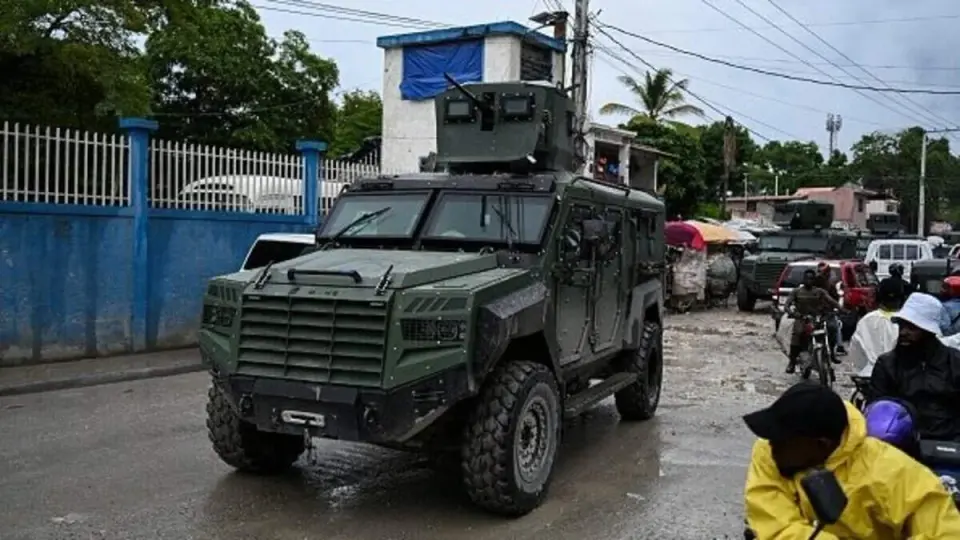
El Salvador has deployed approximately 2,500 troops to Haiti following the abduction of four of its aviation technicians by gangs in Port-au-Prince. While the operation was initially framed as a rescue mission, it has expanded into a major military presence that rivals the size of the UN-backed Gang Suppression Force. The deployment lacks a formal status-of-forces agreement with Haiti, raising concerns about legal authority, civilian safety, and coordination among the five distinct security entities now operating in the capital.
Key points
- El Salvador’s military presence in Haiti grew from 125 personnel to at least 2,500 troops within one week, including special forces and marines.
- The surge began after four Salvadoran aviation technicians were abducted by the Chen Mechan gang on October 18, 2026.
- President Nayib Bukele stated that El Salvador is covering 90% of the deployment costs and that the mission is not an invasion.
- Critics note that the Salvadoran forces have not signed a required status-of-forces agreement with the Haitian government.
- Five separate security groups, including the UN-backed Gang Suppression Force and private contractors, are now operating in Port-au-Prince without a unified command structure.
Background
Haiti has faced a severe gang crisis since the assassination of President Jovenel Moïse in 2021, leading to a power vacuum and the postponement of presidential elections to July 2027. The UN-backed Gang Suppression Force, authorized in September 2025, has struggled to maintain order due to funding cuts and reluctance among contributing nations to engage in direct combat. El Salvador’s intervention follows a period where Bukele gained international attention for his aggressive domestic anti-gang policies, which critics link to human rights violations and mass incarceration.
How outlets are covering it
The Miami Herald emphasizes the lack of legal framework and the risk of civilian casualties, noting that most Salvadoran troops have not undergone human rights training. The New York Times highlights the deployment as a significant escalation backed by the Trump administration, questioning whether Bukele can effectively resolve the crisis. CNN focuses on the operational confusion, pointing out that the Salvadoran command structure remains undefined and that the forces are not co-located with the main UN force. While all sources agree on the scale of the deployment, they differ on the primary risk: the Herald focuses on sovereignty and legal accountability, the NYT on the strategic gamble, and CNN on the logistical and command fragmentation.
Why it matters
The deployment introduces a major variable into Haiti’s security landscape, potentially destabilizing the fragile balance between international forces, local police, and gangs. The absence of a formal legal agreement could lead to diplomatic disputes or legal liabilities for El Salvador if civilian casualties occur. Furthermore, the surge may overshadow the UN-backed force, complicating the international response and potentially setting a precedent for unilateral military interventions in the region without clear multilateral mandates.
What to watch
El Salvador is expected to finalize its troop deployment in the coming days, with Bukele indicating that the operation is 'nearly completed.' The Haitian government is likely to seek a formal agreement to clarify the rules of engagement and legal status of the Salvadoran forces. International observers will monitor whether the Salvadoran troops integrate with the UN-backed Gang Suppression Force or operate independently, and whether the mission shifts from a rescue operation to a broader anti-gang campaign. The outcome will depend on the ability of the forces to avoid civilian casualties and coordinate with other security entities in Port-au-Prince.
- As Salvadoran troops flood into Haiti, some feel hope, but others see pitfalls Miami Herald
- Bukele's gang offensive goes abroad as El Salvador rushes troops to Haiti Reuters
- Could El Salvador’s Bukele Be Haiti’s Savior? The New York Times
- El Salvador sends 2,000 troops to Haiti to rescue four missing soldiers BBC
- Analysis: El Salvador’s Nayib Bukele adds a wildcard to Haiti’s fractured security landscape CNN
Want the full story? Read the original reporting
Read on Miami Herald