
Pope Leo XIV Urges UN to Ban Lethal AI Weapons and Reject Machine Personhood
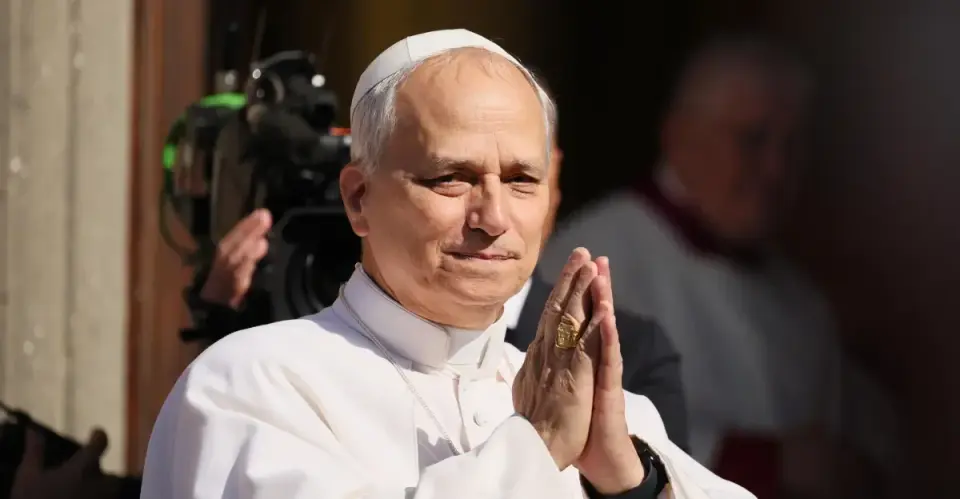
Pope Leo XIV has issued a formal address demanding that artificial intelligence be 'disarmed' and that lethal autonomous weapons be banned. He argues that AI systems are tools, not persons, and warns against granting them legal rights, which he believes obscures human accountability. The Pope called for international institutions to enforce shared standards and oversight to ensure AI serves the common good.
Key points
- Pope Leo XIV urged United Nations member states to take concrete steps toward banning lethal autonomous weapons during a meeting in Geneva next month.
- The Pope rejected the concept of AI legal personhood, stating that machines are tools and do not possess consciousness, feelings, or the capacity for relationships.
- He warned that granting AI rights could obscure human responsibility, leaving victims of AI harm to confront a 'faceless entity' without clear legal recourse.
- Leo emphasized that decisions affecting human life, freedom, and the use of force must remain under effective human oversight and cannot be delegated to algorithms.
- The address called for the creation of international institutions with shared standards, independent oversight, and clear accountability mechanisms to manage AI development.
Background
This address follows Pope Leo XIV’s May 2026 encyclical, 'Magnifica Humanitas,' which established the Catholic Church’s official stance on AI and human dignity. It also aligns with his recent diplomatic efforts, including a video message at the Assisi peace summit and a direct call to Vladimir Putin regarding humanitarian crises in Ukraine, reflecting his broader focus on global peace and the ethical implications of modern technology.
How outlets are covering it
While The Verge and Gizmodo focus on the Pope’s direct confrontation with Silicon Valley’s narrative of AI consciousness and his call for weapon bans, Futurism highlights the legal implications of rejecting AI personhood, noting that granting rights to AI could complicate liability for harm. Denver Catholic provides a broader theological context, linking the Pope’s stance to Catholic Social Teaching and recent state-level regulations in Colorado aimed at protecting consumers and minors from automated decision-making. All sources agree on the Pope’s core message but differ in emphasis: some view it as a direct rebuttal to tech industry claims, while others see it as a call for robust international governance and legal clarity.
Why it matters
The Pope’s intervention adds significant moral and diplomatic weight to the global debate on AI governance. By explicitly rejecting AI personhood and demanding a ban on autonomous weapons, he challenges the legal and ethical frameworks being developed by tech companies and governments. His call for international institutions and clear accountability mechanisms could influence policy discussions at the UN and other global bodies, potentially shaping future regulations on AI development and use.
What to watch
The immediate next step is the United Nations meeting in Geneva, where member states are expected to discuss the Pope’s call for banning lethal autonomous weapons. Additionally, the establishment of international institutions with shared standards and oversight mechanisms will be a key focus, as the Pope has emphasized the need for effective global governance to manage AI risks and ensure it serves the common good.
- Pope Leo calls for the disarmament of AI: ‘Machines are tools, not persons’ The Verge
- Pope on AI: Decisions affecting human life must never be delegated Vatican News
- Pope Leo XIV Reminds World That AIs Aren't Conscious Beings, Urges Autonomous Weapon Ban Gizmodo
- Pope Leo Comes Out Swinging Against AI Personhood Futurism
- Technology: Keeping Human Dignity at the Center of Innovation Denver Catholic
Want the full story? Read the original reporting
Read on The Verge