
UK Imposes Historic Trade Ban on West Bank Settlements, Triggering Israeli Retaliation and US Warnings
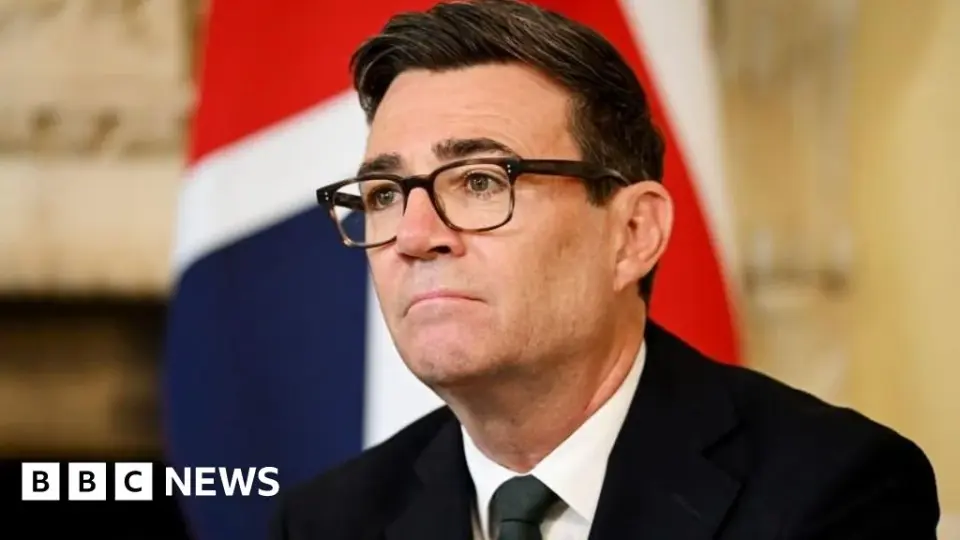
The UK government has officially banned imports from Israeli settlements in the occupied West Bank, marking a significant escalation in British Middle East policy under Prime Minister Andy Burnham. Foreign Secretary Ed Miliband declared the occupation unlawful and accused settlers of ethnic cleansing, coordinating the move with 11 other nations including France and Canada. Israel responded by closing the British consulate in Jerusalem and banning 12 UK politicians, while the US warned of economic repercussions for British businesses.
Key points
- The UK will ban imports from Israeli settlements in the West Bank, with measures expected to take six to nine months to fully implement.
- Foreign Secretary Ed Miliband stated that the UK views the occupation as unlawful and that inaction would constitute a failure of strategy.
- The announcement was coordinated with 11 other countries, including France and Canada, to minimize individual diplomatic blowback.
- Israel retaliated by closing the British consulate in East Jerusalem and banning 12 UK politicians from entering the country.
- The US Secretary of State Marco Rubio stated the US would not follow the UK's lead, while US lawmakers warned of economic consequences for British firms in states like Florida.
Background
This decision follows the UK's formal recognition of a Palestinian state in October 2025 and precedes Prime Minister Andy Burnham's first major international summit. Burnham had previously criticized his predecessor Keir Starmer's approach to Gaza, acknowledging that Labour's initial response caused 'huge hurt.' The move aims to reassert the logic of a two-state solution and address domestic political pressures from the Labour left and communities with significant Muslim populations, while managing tensions with British Jewish communities following recent antisemitism incidents.
How outlets are covering it
BBC political editor Chris Mason frames the sanctions as a deliberate attempt by Burnham to surpass Starmer's previous restraint, noting that while the move aligns with the two-state solution logic, it risks alienating British Jewish communities who have expressed vulnerability due to recent attacks. CNBC emphasizes the economic friction with the United States, highlighting warnings from US Ambassador Mike Huckabee and Representative Randy Fine that British companies could face bans in US states with anti-BDS laws, such as Florida. While BBC focuses on the diplomatic coordination with allies like France and Canada, CNBC stresses the potential 'huge economic impact' on British businesses and the US administration's refusal to mirror the policy.
Why it matters
The sanctions represent a fundamental shift in UK foreign policy, moving from diplomatic recognition to economic enforcement. This could strain the UK's special relationship with the US and impact trade relations, while simultaneously testing the limits of international coordination on Israel. The move also highlights the internal political balancing act for Burnham, who must navigate between Labour's left-wing base and concerns over antisemitism within the broader society.
What to watch
The UK expects the sanctions to take effect within six to nine months. Israel has already initiated retaliatory measures, including the closure of the British consulate. The US is likely to monitor the economic fallout, with potential state-level restrictions on British firms. Burnham will need to manage these tensions during his upcoming meetings with international counterparts, while the UK government prepares for potential further Israeli or US countermeasures.
- Chris Mason: Burnham looks to show he will go further than Starmer with West Bank sanctions BBC
- Israeli Allies Ban Trade With Settlements as U.K. Cites ‘Ethnic Cleansing’ The New York Times
- 'Israel reacts with fury' and 'Air traffic collapse' BBC
- UK announces new Israeli settlement sanctions, despite U.S. warning of economic consequences CNBC
- Israel to close British consulate in East Jerusalem after UK, France and Canada ban imports from settlements Reuters
Want the full story? Read the original reporting
Read on BBC