
Burnham Proposes Debt Reset and Apology at Commonwealth Summit Amid Reparations Dispute
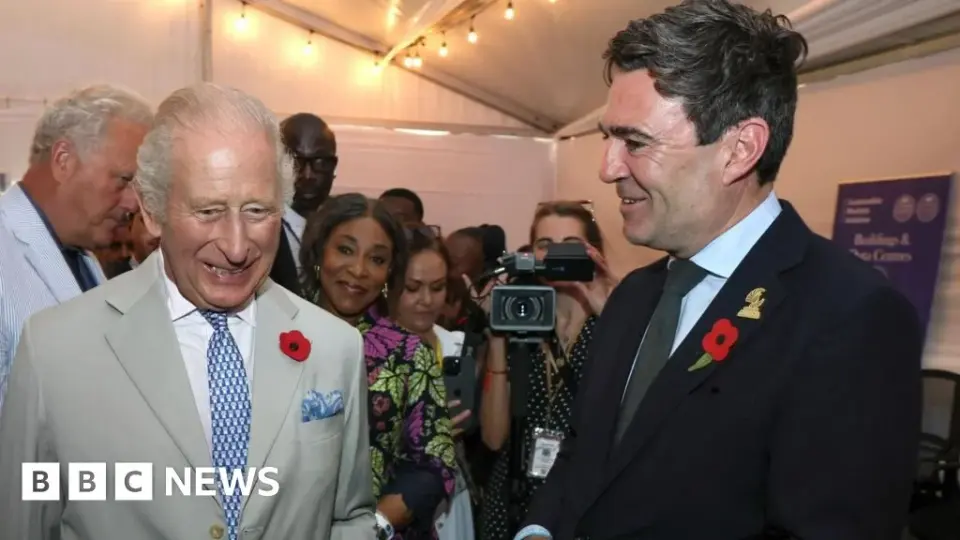
UK Prime Minister Andy Burnham has arrived in Antigua for the Commonwealth Heads of Government Meeting, proposing a 'debt reset' for member nations and a formal apology for the slave trade. While the government rejects financial reparations, the move aims to address historical grievances without fiscal compensation. King Charles III is attending the summit, though the Palace maintains his role is non-political. The strategy contrasts with previous UK stances that excluded reparations from the agenda, seeking to defuse tensions with Caribbean leaders who continue to demand monetary compensation.
Key points
- Andy Burnham is leading UK discussions at the Commonwealth summit in Antigua, proposing a 'debt reset' to help nations manage interest costs.
- The UK government is open to a formal apology for the transatlantic slave trade next year but firmly rejects financial reparations.
- Foreign Secretary Ed Miliband stated that asking British taxpayers to pay for historic acts is not a feasible solution.
- Conservative leader Kemi Badenoch criticized the apology, arguing it would serve as a lever to demand cash compensation.
- The UK plans to launch two task forces by year's end: one on critical mineral supply chains and another on boosting trade and investment.
- King Charles III is attending the summit, but Buckingham Palace clarified that the monarch's role is unifying, not policy-making.
Background
This summit follows a contentious previous gathering in Samoa two years ago, where UK Prime Sir Keir Starmer stated reparations were not on the agenda, causing friction with other leaders. Recent archive coverage indicates that while Burnham's proposal for a 'structured dialogue' and debt relief marks a shift from previous UK positions, Caribbean leaders continue to view monetary restitution as a core demand. The current diplomatic effort aims to 'detoxify' the debate by separating the issue of historical apology from financial compensation, a distinction that remains controversial among Commonwealth members.
How outlets are covering it
BBC reports that Burnham is attempting to get ahead of the debate by directly addressing the anger of Commonwealth leaders, framing the lack of prior conversation as damaging to the organization's function. The New York Times highlights the on-the-ground division in former colonies, noting that while some residents celebrated the King's visit, protesters in Guyana chanted 'Not our king' and demanded reparations. The BBC emphasizes the UK's strategic interest in the Commonwealth as a forum for engaging developing countries without involving major powers like China or Russia, whereas the New York Times focuses on the cultural and historical tension between royal engagement and demands for atonement. Both sources agree that the UK is rejecting financial reparations, but the BBC notes the government's confidence that the new approach will create space for wider conversation, while the New York Times underscores the persistent demand for monetary compensation among critics.
Why it matters
The outcome of these talks could redefine the UK's diplomatic relationship with developing nations and its approach to historical accountability. A formal apology without financial reparations may satisfy some leaders but could fail to address the core demands of those seeking compensation, potentially leaving long-standing tensions unresolved. The proposed debt reset and new task forces signal a shift toward economic pragmatism in UK foreign policy, aiming to strengthen trade and supply chain resilience within the Commonwealth while navigating sensitive historical issues.
What to watch
Burnham and Foreign Secretary Ed Miliband are expected to continue conversations with fellow leaders over the next two days. The UK plans to establish two new task forces by the end of the year, which will report back at the next leaders' summit. A formal apology for the slave trade is anticipated in the next year, coinciding with the UK's rotating presidency of the G20. King Charles III is scheduled to deliver a speech at the meeting, though the Palace has maintained that his role does not involve policy-making decisions.
- PM plans debt re-set for Commonwealth nations as slavery apology talks begin BBC
- King Charles Meets Both Joy and Criticism on Caribbean Tour The New York Times
- King's role is not policy making, says Palace in slavery apology row BBC
- As reparations debate grows, Caribbean campaigners point to one British family's example Reuters
- Burnham to Urge Debt Reform for Poorest Commonwealth Nations Bloomberg.com
Want the full story? Read the original reporting
Read on BBC