
EU fast-tracks €50M Black Sea security hub as diplomatic talks stall
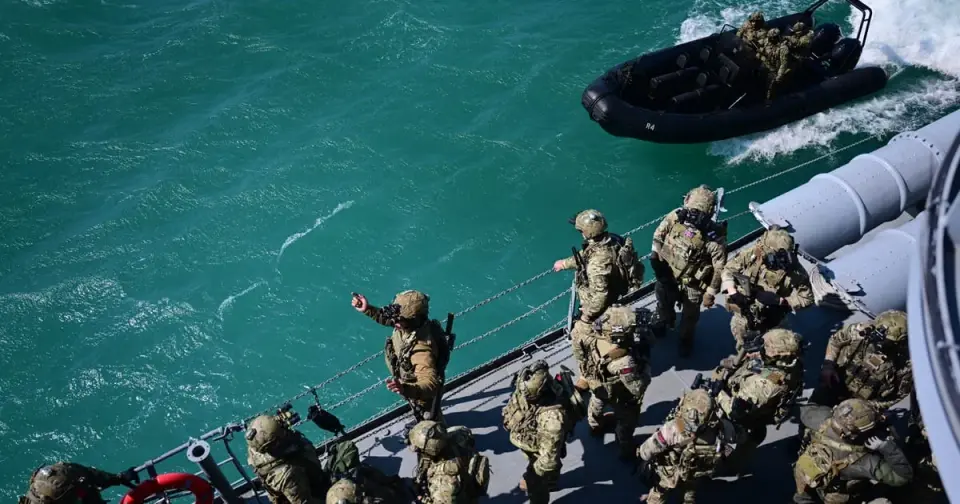
European Commission President Ursula von der Leyen announced €50 million to fast-track a joint maritime security hub for Romania and Bulgaria, alongside €10 million for Romanian search-and-rescue, following a surge in attacks on commercial shipping blamed on Russia.
Key points
- Von der Leyen pledged €50 million to accelerate the Black Sea Maritime Security Hub, a joint control center for Romania and Bulgaria expected to be operational by late 2026 or early 2027, to monitor maritime activity and protect undersea infrastructure.
- An additional €10 million was allocated to Romania for search-and-rescue operations, complementing the €16.7 billion Romania is receiving under the EU’s SAFE arms loan program.
- Since early October, at least nine ships have been struck in the exclusive economic zones of Romania and Bulgaria, with four sunk and 34 sailors dead or missing, according to Politico.
- The U.S. is leading diplomatic efforts for a Black Sea ceasefire and safe passage, with Secretary of State Marco Rubio reviewing proposals from Turkey and India, though Russia has rejected a freedom-of-navigation deal.
- Ukraine’s Agriculture Minister Taras Vysotskyi expressed pessimism about a breakthrough, stating Kyiv is preparing for long-term loss of access to deep-water Black Sea ports.
Background
The Black Sea crisis has escalated sharply since mid-2026, with NATO and EU members reporting a surge in drone attacks on merchant shipping. In October, at least five cargo vessels were struck, resulting in 23 reported deaths or missing sailors, prompting NATO to deploy additional surveillance assets. Romania and Bulgaria have raised the issue with EU leaders, with Bucharest blaming Russia while Sofia has been more cautious. The Black Sea is a critical trade route for Ukrainian grain and steel exports, as well as Russian oil and Kazakhstan’s crude via the Caspian Pipeline Consortium, making the conflict a global food and energy security issue.
How outlets are covering it
While all sources agree on the EU’s financial commitment, they differ on the diplomatic outlook and attribution. Politico and the European Commission emphasize the EU’s direct funding and von der Leyen’s support for Ukraine’s ceasefire call, noting that peace talks are underway in Abu Dhabi. Euronews highlights a diplomatic rift, reporting that Bulgarian Prime Minister Rumen Radev accused Romania of being indirectly responsible for the attacks by blaming Russia without evidence, a stance that contrasts with Romania’s firm attribution. Politico notes that while Ukraine has agreed to a freedom-of-navigation deal, Russia has rejected it, and U.S. Secretary of State Marco Rubio is reviewing proposals from Turkey and India. Novinite focuses on the procedural aspects of von der Leyen’s visits to Bucharest and Varna, emphasizing the EU’s commitment to restoring navigation and strengthening defense investment, without delving into the attribution dispute. The European Commission’s statement underscores the immediate value of Copernicus satellite imagery and the need for collective European response to hybrid threats, including information manipulation, framing the crisis as a broader security challenge for Europe’s eastern flank.
Why it matters
The EU’s financial commitment signals a shift from diplomatic pressure to tangible security infrastructure, aiming to protect critical undersea cables and maritime trade routes. The fast-tracked hub could reduce the risk of further attacks on commercial shipping, which has already disrupted global food and energy supplies. However, the lack of a ceasefire and Russia’s rejection of a navigation deal suggest the crisis may persist, forcing Ukraine to adapt its export strategy and potentially increasing tensions between NATO members and Russia. The diplomatic efforts led by the U.S. and involving Turkey and India are crucial for a long-term resolution, but the current pessimism from Kyiv indicates that the status quo may remain unstable for the foreseeable future.
What to watch
The Black Sea Maritime Security Hub is expected to be fully operational by the end of 2026 or the first half of 2027, according to Euronews. Von der Leyen is set to visit Varna, Bulgaria, on November 10 to meet with Prime Minister Rumen Radev and discuss further security measures. The U.S. will continue to review proposals from Turkey and India for a safe passage agreement, while peace talks in Abu Dhabi will proceed with European participation. Ukraine is preparing for a long-term loss of access to Black Sea ports, which may lead to alternative export routes or increased reliance on overland transport. The EU will likely provide additional support through the SAFE program and the second call for joint defense procurement, with €21 billion available to member states.
- EU offers cash for Black Sea attack response POLITICO.eu
- Statement by the President with Romanian President Dan European Commission
- EU Announces €50 Million for Black Sea Maritime Security Hub in Romania and Bulgaria Euronews.com
- Von der Leyen to Meet Bulgaria's Radev During Varna Visit Novinite.com
- EU stresses freedom of navigation in Black Sea must be restored, preserved Anadolu Ajansı
Want the full story? Read the original reporting
Read on POLITICO.eu