
EU Releases Fifth Tranche of €1.4B from Frozen Russian Assets to Ukraine
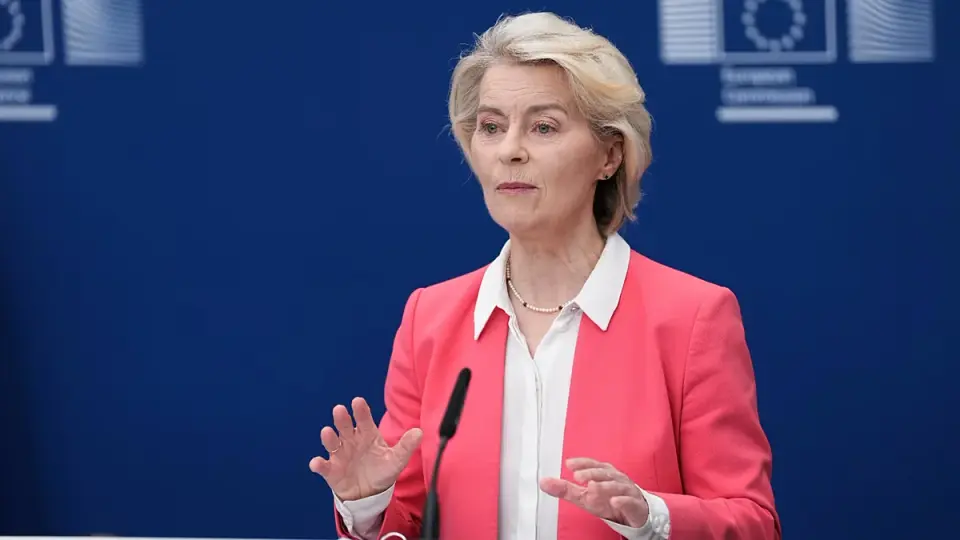
The European Union has released €1.4 billion to Ukraine, marking the fifth tranche of funds derived from profits generated by frozen Russian central bank assets. This transfer follows recent deadly Russian missile and drone strikes on Kyiv. While the total windfall profits from immobilized Russian assets have reached €8 billion, 95% of this latest payment will service existing loans rather than provide direct military aid, with only €70 million allocated for immediate defense needs.
Key points
- The European Commission confirmed the release of €1.4 billion to Ukraine on August 5, 2026, following overnight Russian attacks on Kyiv that killed at least 17 people.
- This payment is the fifth tranche under the mechanism using proceeds from frozen Russian central bank assets, which have generated a total of €8 billion in windfall profits since 2022.
- Ursula von der Leyen, President of the European Commission, stated the funds aim to support Ukraine's resistance and ensure Russia pays for the destruction it has caused.
- Ukrainian Prime Minister Serhii Koretskyi emphasized that the funds will strengthen Ukraine's defense capabilities and resilience against ongoing Russian aggression.
- The majority of the funds, €1.33 billion (95%), will be channeled through the Ukraine Loan Cooperation Mechanism to service G7 and EU loans, while €70 million (5%) will go through the European Peace Facility for military assistance.
Background
The EU froze over €210 billion in Russian central bank reserves following Russia's full-scale invasion of Ukraine in 2022. Since 2024, financial institutions holding these assets have been required to ring-fence the extraordinary profits they generate, allowing Brussels to redirect these proceeds to Ukraine while leaving the underlying reserves untouched. Previous tranches, including the fourth in March 2026, have followed a similar pattern, with the total accumulated windfall profits reaching €8 billion. Recent weeks have seen intensified Russian attacks on Ukrainian civilian targets, prompting calls for increased air-defense support from Western allies.
How outlets are covering it
Euronews and Politico.eu both highlight the political framing by Ursula von der Leyen, emphasizing that the funds are a direct response to Russia's 'horrible atrocities' and a way to make Russia 'pay for the destruction.' Yahoo, citing Ukrainian sources, focuses more on the practical impact, with Prime Minister Serhii Koretskyi stating the funds will 'strengthen Ukraine's defence and reinforce the country's resilience.' All sources agree on the total amount (€1.4 billion) and the cumulative €8 billion in profits, but they differ in emphasis: Euronews and Politico stress the moral and political dimension, while Yahoo highlights the operational defense aspect. Additionally, all sources note that 95% of the funds will not be direct military aid but will instead service existing loans, a detail that underscores the complex financial mechanisms behind the support.
Why it matters
This transfer underscores the EU's ongoing strategy to leverage frozen Russian assets to support Ukraine without directly touching the principal reserves. It highlights the continued financial and political commitment of the EU to Ukraine amidst escalating Russian aggression. The breakdown of the funds, with the majority going toward loan servicing rather than direct military aid, reflects the complex financial and political constraints of the support mechanism, while the small portion for military needs addresses immediate defense gaps highlighted by Ukrainian leaders.
What to watch
Ukraine can expect at least one additional 'defence tranche' in August, as noted by the European Commission. The ongoing use of frozen Russian asset profits to support Ukraine is likely to continue, with future tranches potentially following a similar pattern of prioritizing loan servicing over direct military aid. The situation will also depend on the pace of Western air-defense deliveries, which Ukrainian President Volodymyr Zelenskyy has cited as a factor in recent casualties.
- EU to release €1.4bn from Russian asset profits to Ukraine Euronews
- EU to use €1.4 billion from interest on frozen Russian assets to help Ukraine Reuters
- Council amends Ukraine Plan to reflect more than €8 billion in additional Ukraine Facility financing for 2026 consilium.europa.eu
- EU to provide Ukraine with €1.4bn in proceeds from frozen Russian assets in fifth tranche Yahoo
- EU to transfer €1.4B in profits from frozen Russian assets to Ukraine politico.eu
Want the full story? Read the original reporting
Read on Euronews