
Iran Vows Expanded, Prolonged War if US Strikes Post-Midterms
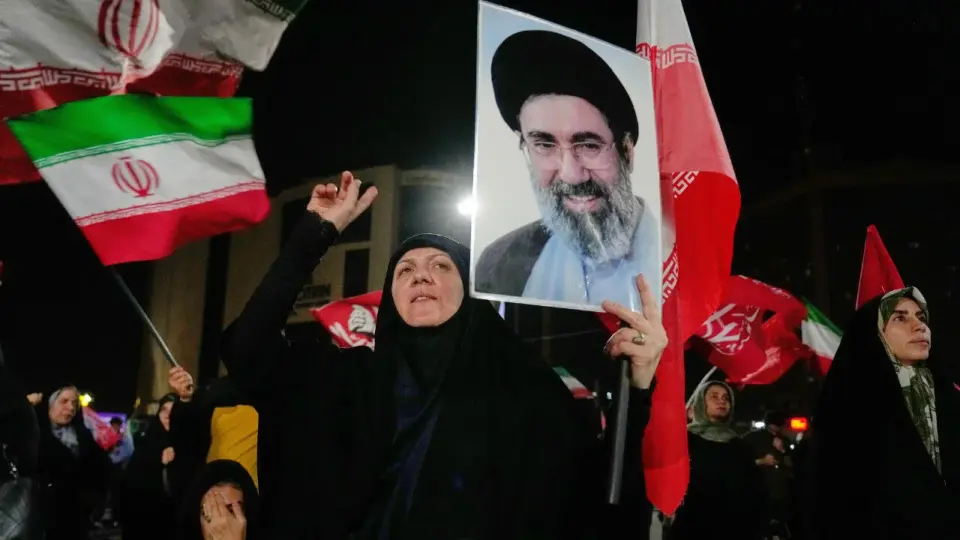
Iranian officials warned that any renewed conflict with the United States would be longer and geographically broader than previous engagements. This threat follows President Trump’s comments suggesting he may strike remaining targets after the US midterm elections. While diplomatic channels remain open via Qatar, tensions are high due to ongoing naval blockades and recent attacks on shipping in the Strait of Hormuz.
Key points
- Iranian military spokesperson Mohammad Akraminia stated that a future war would not be limited to West Asia and could last longer than the previous conflict, with Tehran dictating the end conditions.
- President Trump indicated he might strike the 'Pickaxe Mountain' nuclear site within 10 minutes after the midterm elections, following a 'tough' call with Israeli Prime Minister Benjamin Netanyahu.
- Iranian Supreme Leader Ayatollah Mojtaba Khamenei issued directives for a 'geographically unrestricted response,' potentially targeting Europe and the South Caucasus, while claiming weapons production has increased seven-fold.
- Diplomatic efforts continue through Qatari mediation, with Iranian Foreign Minister Abbas Araghchi noting a 'positive change' in US tone, though Tehran maintains conditions for reopening the Strait of Hormuz, including lifting sanctions and ending the naval blockade.
- The US and Iran remain in a state of 'no war, no peace,' with the US enforcing a naval blockade and Iran controlling the Strait of Hormuz, leading to recent attacks on commercial vessels in the Persian Gulf.
Background
The current standoff follows a conflict that began on February 28 with US-Israeli strikes, resulting in the death of former Supreme Leader Ali Khamenei and other top officials. A memorandum of understanding in June attempted to end the war but failed to resolve core issues, leading to a prolonged state of tension. Previous attempts to rein in the conflict, such as a Senate war powers resolution, failed in September, and the conflict has significantly impacted global energy markets and regional stability.
How outlets are covering it
France 24 and Euronews emphasize the severity of Iran's threats, highlighting the potential for a geographically unrestricted response and the involvement of top military commanders in planning. Al Jazeera focuses on the military readiness and technological advancements of the Iranian armed forces, noting improved missile capabilities and the use of asymmetric warfare tactics. ABC News highlights the diplomatic dimension, noting the stalled talks and the recent attacks on shipping in the Strait of Hormuz. All sources agree on the high tension and the potential for renewed conflict, but differ in their emphasis on military capability versus diplomatic efforts.
Why it matters
The potential for a renewed and expanded conflict between the US and Iran could have significant global implications, including disruptions to energy supplies, increased regional instability, and potential escalation involving other countries. The outcome of the US midterm elections may also influence the timing and nature of any military action, making the situation a critical factor in global geopolitics.
What to watch
The next few weeks will be crucial, with the US midterm elections likely influencing the timing of any potential strikes. Diplomatic efforts through Qatar will continue, but the success of these talks depends on whether the US meets Iran's conditions for reopening the Strait of Hormuz and lifting sanctions. Any failure in diplomacy could lead to a renewed and potentially more severe conflict.
- Iran warns renewed war with US could outlast previous conflict France 24
- Iran live updates: Tehran warns of 'powerful response' to any renewed attack ABC News - Breaking News, Latest News and Videos
- Iran warns of 'geographically unrestricted response' if US attacks Euronews.com
- How would Tehran respond if the US and Israel bomb Iran again? Al Jazeera
- Iran's supreme leader orders "maximum" response to any U.S. attack Axios
Want the full story? Read the original reporting
Read on France 24