
Haiti Sets 2027 Election Dates as Salvadoran Troop Surge Complicates Security Landscape
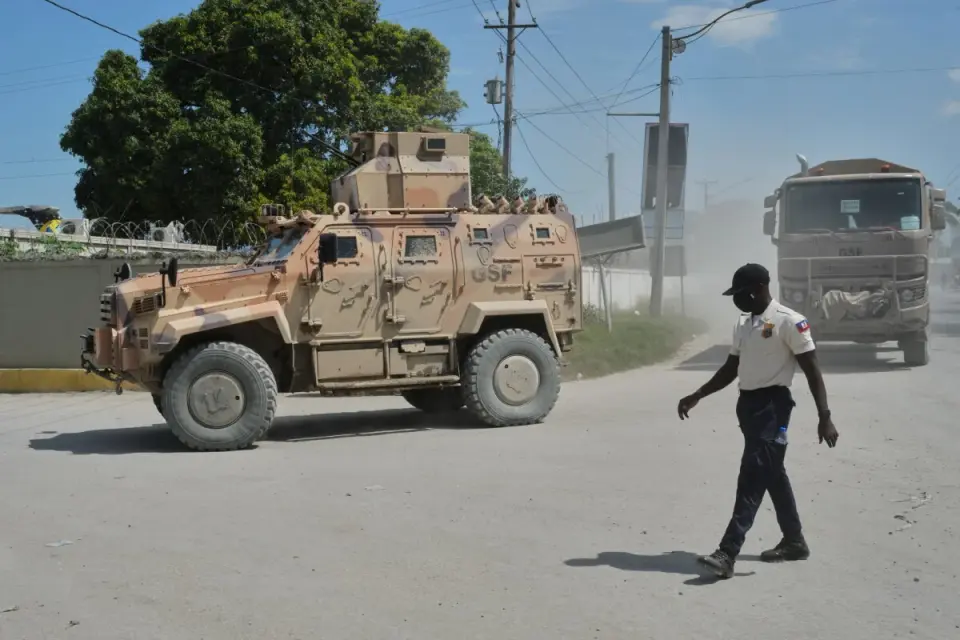
Haiti’s Provisional Electoral Council announced that the first round of general elections will occur on July 18, 2027, with a second round on October 4, 2027. This decision follows the postponement of the original December 13, 2026, date due to severe gang violence. Simultaneously, El Salvador deployed over 2,000 troops to Haiti to rescue four missing aviation technicians and combat gangs. The deployment has raised concerns about command coordination, civilian safety, and the future of the UN-backed Gang Suppression Force. Haiti has not held elections in over a decade, and the presidency has been vacant since 2021.
Key points
- Haiti’s Provisional Electoral Council set new election dates for July 18 and October 4, 2027, after delaying the original December 2026 schedule due to gang violence.
- El Salvador sent more than 2,000 troops to Haiti to rescue four missing aviation technicians who were ambushed on October 18 in Port-au-Prince.
- The Salvadoran deployment exceeds the size of Haiti’s entire army and matches the current staffing of the UN-backed Gang Suppression Force (GSF).
- Experts question the command structure, rules of engagement, and coordination between Salvadoran troops, the GSF, and private security firms like Vectus Global.
- Doctors Without Borders reported treating 30 patients injured by gunfire or drone explosions between October 18 and 26, highlighting risks to civilians.
- Presidential candidates include former presidents Michel Martelly, Claude Joseph, and Jocelerme Privert, as well as Public Prosecutor Jean Ernest Muscadin.
Background
Haiti has not held elections in over a decade, with the presidency vacant since the 2021 assassination of President Jovenel Moïse. The country has faced escalating gang violence, with over 5,700 people killed or wounded from January to mid-September 2026. The UN-backed Gang Suppression Force (GSF) arrived in April 2026 but has struggled to reach expected troop numbers. El Salvador’s deployment follows the October 18 abduction of four Salvadoran aviation technicians working with the GSF in Croix-des-Bouquets, a gang-controlled area. Previous attempts to identify remains as the missing technicians were rejected by President Nayib Bukele, who maintains the mission is to recover the men alive.
How outlets are covering it
AP News and The New York Times emphasize the postponement of elections as a direct result of unmanageable gang violence, noting that the new dates push the first vote to July 2027. CNN focuses on the Salvadoran troop deployment as a 'wildcard' in Haiti’s fractured security landscape, highlighting concerns about command structure and coordination with existing forces. AP News and CNN both cite Romain Le Cour, who questions the opacity of the Salvadoran mission and its impact on the GSF’s authority. Doctors Without Borders and the Norwegian Refugee Council stress the humanitarian crisis, with the former reporting 30 injuries in one week and the latter calling for protection of civilians and aid workers. Bukele asserts the deployment is not an invasion but a rescue mission, while critics highlight the risks of multiple actors operating without clear accountability.
Why it matters
The election postponement and Salvadoran troop deployment highlight the deepening crisis in Haiti, where gang violence has undermined governance and security efforts. The lack of clarity on the Salvadoran mission’s scope and coordination with international forces raises concerns about civilian safety and the effectiveness of the UN-backed GSF. As Haiti struggles to organize its first elections in over a decade, the presence of multiple military and private actors without unified command could exacerbate violence and hinder long-term stability.
What to watch
Haiti’s Provisional Electoral Council expects to publish the final candidate list by mid-January 2027, with voter registration ending on May 20, 2027. The Salvadoran mission aims to recover the four missing technicians, but local sources suggest they may be unrecoverable, potentially leading to broader anti-gang operations. The future of the UN-backed GSF and its relationship with Salvadoran forces remains uncertain, with experts questioning the coherence of the current security framework. Civilian safety and access to healthcare will remain critical concerns as violence continues in Port-au-Prince and other regions.
- Haiti announces new election dates as 2,000 Salvadoran troops help fight gangs AP News
- Analysis: El Salvador’s Nayib Bukele adds a wildcard to Haiti’s fractured security landscape CNN
- El Salvador to send over 2,000 soldiers to Haiti for rescue while elections postponed Reuters
- Amid Unrelenting Violence, Haiti Puts Off Its Long-Awaited Elections The New York Times
- El Salvador sends 2,000 troops to Haiti to rescue four missing soldiers BBC
Want the full story? Read the original reporting
Read on AP News