
Trump Weighs Post-Election Iran Strikes as Diplomacy Stalls
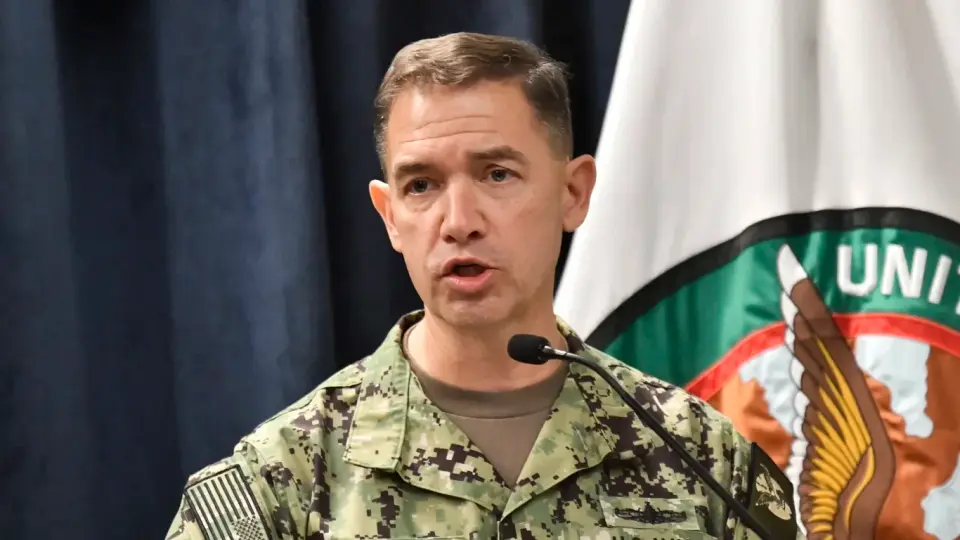
US Central Command chief Adm. Brad Cooper briefed President Trump on the ongoing naval blockade of Iran and potential post-midterm military operations. While diplomatic efforts led by Qatar aim to de-escalate tensions, Washington has warned allies to prepare for renewed strikes and Iranian retaliation. The administration maintains that all options remain open to prevent Iran from acquiring nuclear weapons, even as Tehran demands the lifting of sanctions and the release of frozen funds before resuming talks.
Key points
- Adm. Brad Cooper briefed President Trump on the effectiveness of the naval blockade and the military operation guiding oil tankers through the Strait of Hormuz.
- The White House is pursuing a dual-track strategy: seeking a diplomatic deal while preparing for potential combat operations after the November 3 midterm elections.
- US officials have warned Middle East allies to prepare for potential renewed strikes against Iran and subsequent Iranian retaliation on energy infrastructure.
- Iranian officials have rejected US diplomatic proposals, demanding the lifting of the blockade and the release of frozen funds before any negotiations on the nuclear program can resume.
- A Qatari-led mediation effort is in a sensitive stage, with Vice President JD Vance proposing a restart of talks that must address Iran's nuclear capabilities.
Background
The current standoff follows the US-Iran war that began in February 2026, involving operations such as Midnight Hammer and Epic Fury. Previous coverage indicated that while global oil flows through the Strait of Hormuz have recovered to near pre-war levels due to US naval escorts, Iran's own exports remain near zero due to the blockade. This economic pressure has strained Iran's economy, leading to internal unrest, while global fuel prices remain elevated due to high insurance costs and shrinking inventories.
How outlets are covering it
Axios highlights the internal US deliberations, noting that Trump is weighing a 'gesture of goodwill' such as sending humanitarian goods to Iran, while also preparing for potential combat. AP News emphasizes the regional alert, reporting that US officials have explicitly warned allies to prepare for Iranian retaliation on energy facilities. Fox News and VOA focus on the military readiness and the administration's stance that all options, including strikes on nuclear facilities, remain on the table. Iranian officials, as reported by Fox News, maintain a hard line, demanding seven specific conditions including the lifting of the blockade before any deal can be reached. There is a divergence between the diplomatic optimism expressed by US Ambassador Tom Barrack, who called the two sides 'very close' to a de-escalation deal, and the skepticism of Iranian Parliament Speaker Mohammad Bagher Ghalibaf, who rejected the US 'carrot-and-stick' approach.
Why it matters
The potential resumption of military operations after the US midterm elections could trigger a devastating escalation in the Middle East, as warned by Senator Chris Murphy. The outcome of these negotiations will directly impact global energy markets, with Brent crude hovering near $115 per barrel. Furthermore, the decision to resume strikes or pursue diplomacy will determine the future of the US-Iran conflict and the security of the Strait of Hormuz, a critical global shipping corridor.
What to watch
The next critical step is the outcome of the Qatari-led mediation, which is currently in a sensitive stage. The US and Iran are expected to exchange further diplomatic signals, potentially including humanitarian gestures, before the November 3 midterm elections. If no deal is reached, the US military may resume strikes against Iranian missile and drone infrastructure, as well as nuclear facilities, potentially leading to a prolonged conflict and regional retaliation.
- Top U.S. Middle East commander briefs Trump on Iran blockade Axios
- U.S. Warns Gulf of Possible Short, Intense Renewal of Iran War After Midterms WSJ
- Military choices for Iran are being readied for president as midterm elections loom: officials Fox News
- US warns allies to prepare for possible Iran strikes, retaliation after elections, AP sources say AP News
- White House official to VOA: Trump keeps ‘all options on the table’ to deny Iran acquiring nuclear weapons VOA - Voice of America English News
Want the full story? Read the original reporting
Read on Axios