
France Senate Passes 'Rioters Pay' Bill Amid Fierce Debate Over Civil Liberties
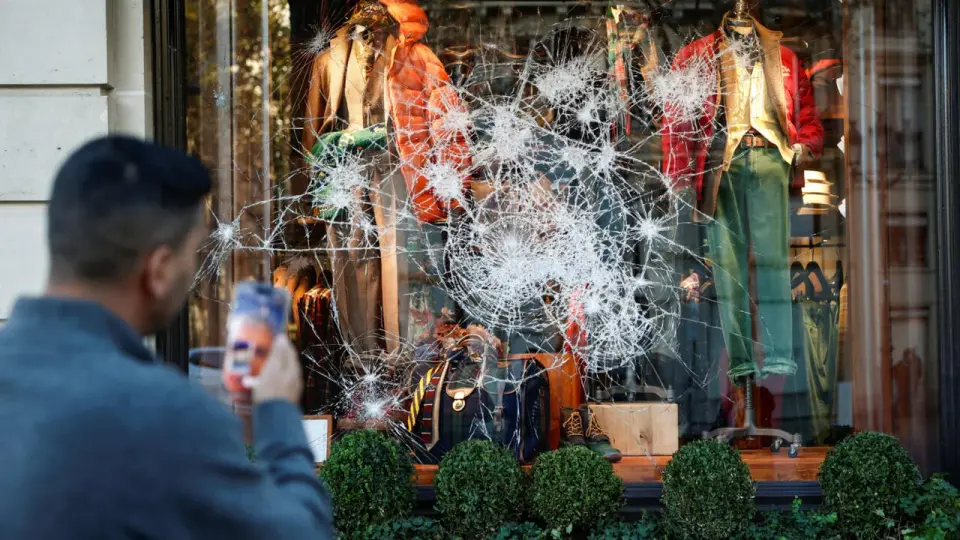
The French Senate has approved a draft bill requiring protesters to pay up to €10,000 for damage caused during demonstrations, even if they did not personally commit the acts. The legislation, which passed with 229 votes to 105, aims to hold individuals liable for participating in groups formed for vandalism or for remaining in crowds after police orders to disperse. Critics, including human rights groups and unions, argue the law threatens the fundamental right to peaceful protest and risks arbitrary enforcement. The bill now moves to the National Assembly for further debate.
Key points
- The French Senate approved a draft bill on Wednesday that would impose financial liability of up to €10,000 on protesters for damages caused during public demonstrations.
- The legislation targets individuals who knowingly participate in groups formed for vandalism or who remain in public gatherings after being ordered twice by police to disperse.
- The bill was prompted by violent riots and looting on October 17, 2026, which damaged nearly 2,500 businesses and caused an estimated €1 billion in nationwide costs.
- Critics, including Amnesty International and major labor unions, warn the law could lead to collective punishment and deter peaceful assembly, while supporters argue it is necessary to protect property owners and public order.
- The bill now proceeds to the National Assembly, where it faces a more divided political landscape, and includes provisions for seizing social benefits to cover damages, a move strongly opposed by legal experts.
Background
This legislative move follows a period of significant social unrest in France, beginning with student protests over education funding and expanding to broader cost-of-living grievances. On October 17, 2026, approximately 550,000 people demonstrated across the country; while most marches were peaceful, they were marred by widespread riots, looting, and arson in cities like Paris, Marseille, and Limoges. The violence resulted in over 1,200 arrests and significant damage to historic buildings and retail stores. The government, already under pressure to cut spending and manage a high national deficit, has framed the bill as a necessary response to restore public order and protect the economy from the costs of unrest.
How outlets are covering it
Outlets present sharply divided views on the bill's implications. France 24 and The Guardian emphasize the legal and civil liberties concerns, highlighting warnings from Amnesty International and labor unions that the law constitutes a 'deeply regressive' assault on the right to protest. They note that the broad wording could lead to arbitrary enforcement and that seizing social benefits is legally and morally problematic. In contrast, EU Today argues that the principle of holding rioters financially accountable is uncontroversial and necessary to protect innocent victims and taxpayers, while acknowledging the need for precise legislation to distinguish between peaceful protest and criminal violence. CNBC provides a neutral overview of the political and economic context, noting the bill's passage in the Senate and the government's fiscal pressures, including a 24-year high in borrowing costs. The Guardian also notes the political dimension, with the far-right National Rally claiming the bill as their own idea and using it to bolster their law-and-order credentials ahead of the presidential election.
Why it matters
The 'Rioters Pay' bill represents a significant shift in French law regarding the balance between public order and civil liberties. Its potential to hold individuals liable for damages they did not personally cause, and to seize social benefits to cover those damages, raises profound questions about the rule of law and the right to peaceful assembly. The outcome of the debate in the National Assembly will determine whether France adopts a more punitive approach to protest-related violence, potentially setting a precedent for how democratic societies handle the costs of social unrest. The bill also reflects the government's struggle to manage economic pressures and public discontent, with implications for future political stability and the handling of protests in France and potentially other European democracies.
What to watch
The bill will now be debated in the National Assembly, where it is expected to face more intense scrutiny and potential amendments. The government, led by Prime Minister Sébastien Lecornu, will likely push for its passage, while opposition parties and civil society groups will continue to argue against its provisions. Further protests are expected in the coming weeks, with demonstrators likely to test the limits of the new restrictions on public gatherings. The outcome of the National Assembly debate will be crucial in determining the final form of the law and its impact on future demonstrations in France.
- 'Deeply regressive': How the French government plans to make protesters pay for riots and looting France 24
- French Senate backs ‘Rioters Pay’ bill that could make protesters pay $11,000 fines CNBC
- Macron accused of putting France’s right to protest at risk with ‘vandal’s law’ The Guardian
- Critics attack 'anti-democratic' French bill making rioters pay Reuters
- The Rioters Who Destroy Europe’s Streets Must Be Made to Pay EU Today
Want the full story? Read the original reporting
Read on France 24