
Iran Condemns Exclusion from Vienna Nuclear Talks Amid IAEA Access Blockade
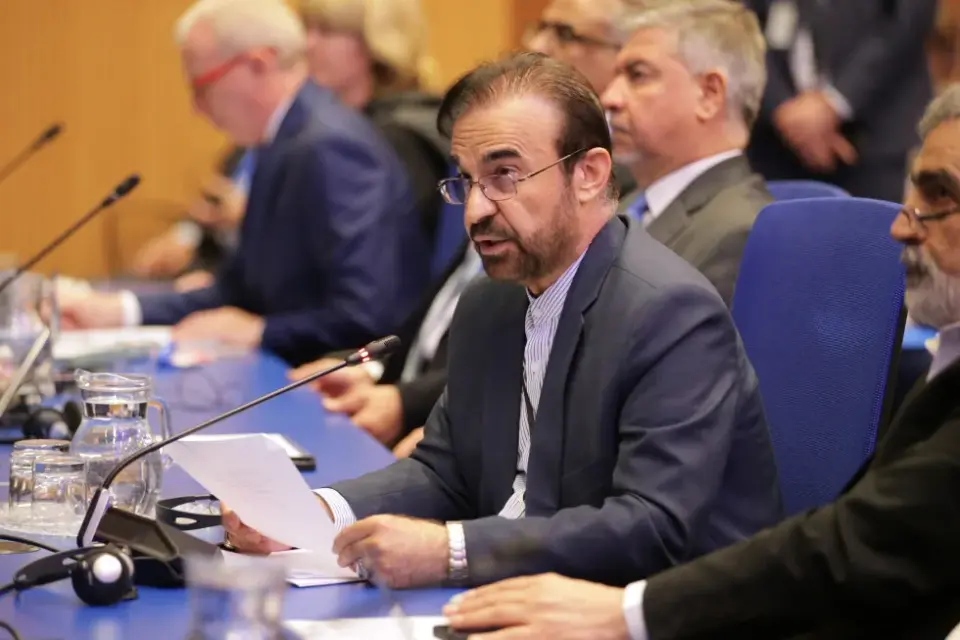
Iran has condemned its exclusion from a recent International Atomic Energy Agency (IAEA) meeting in Vienna, citing the illegality of sanctions reimposed through the snapback mechanism. The exclusion followed a U.S. objection to an Austrian request for an exemption, with Washington arguing that Tehran’s lack of cooperation on nuclear safeguards precludes participation. This diplomatic standoff occurs against a backdrop of blocked IAEA access to Iranian nuclear sites damaged in June 2025 and a recent IAEA resolution reporting Iran to the UN Security Council for the first time in two decades.
Key points
- Iran, Russia, and China rejected the legality of sanctions reimposed via the snapback mechanism, which led to Iran's exclusion from the Vienna meeting.
- U.S. Ambassador to the UN in Vienna, Preston Wells Griffith, stated that Washington objected to an Austrian exemption request, citing Iran's lack of meaningful cooperation on nuclear safeguards.
- IAEA inspectors have been unable to access Iranian nuclear sites bombed during the 12-day war in June 2025, despite Tehran's legal obligations under the Nuclear Nonproliferation Treaty.
- The IAEA cannot verify the status of Iran's stockpile of 440.9 kilograms of uranium enriched to 60% purity, which is close to weapons-grade levels of 90%.
- The IAEA board adopted a resolution earlier this month reporting Iran to the UN Security Council for the first time in 20 years due to its failure to cooperate with inspectors.
Background
This development follows a series of escalating tensions in the Middle East, including Iran's attacks on tankers in the Strait of Hormuz in September 2026, which killed two Filipino sailors and drew condemnation from Saudi Arabia and other Gulf states. Additionally, Iran's nuclear chief had previously skipped the IAEA General Conference in Vienna in September 2026, signaling a broader pattern of disengagement from international nuclear oversight. The current standoff reflects a deepening crisis in nuclear diplomacy, with the IAEA's inability to verify Iran's nuclear activities and the reimposition of sanctions marking a significant shift in the international community's approach to Iran's nuclear program.
Why it matters
The exclusion of Iran from the Vienna meeting and the reimposition of sanctions signal a significant escalation in the international community's response to Iran's nuclear program. The inability of the IAEA to access Iranian nuclear sites and verify its uranium stockpile raises serious concerns about the potential for a secret nuclear weapons program. The reporting of Iran to the UN Security Council for the first time in 20 years could lead to further sanctions and diplomatic isolation, potentially destabilizing the region. This situation underscores the critical importance of international cooperation and transparency in nuclear safeguards, and the consequences of failing to uphold these obligations.
What to watch
The next steps in this situation will likely involve further diplomatic efforts to resolve the standoff, potentially including negotiations between Iran and the international community to restore IAEA access to its nuclear sites. The UN Security Council may also take action in response to the IAEA's resolution, potentially imposing additional sanctions or taking other measures to address Iran's failure to cooperate. The situation could also lead to further escalation in the region, with potential military or diplomatic consequences. The outcome of these developments will depend on the willingness of all parties to engage in dialogue and find a peaceful resolution to the crisis.
Want the full story? Read the original reporting
Read on AP News