
Italian Taxpayers Bear $11M Annual Burden for Seized Russian Superyacht
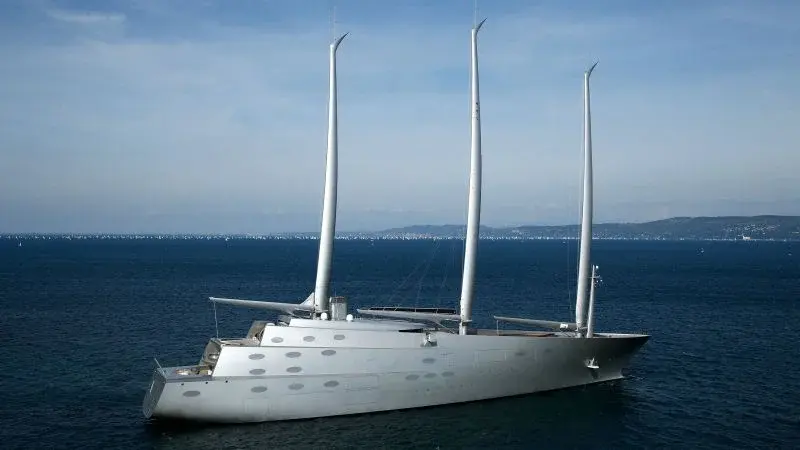
Italian municipalities are incurring significant costs to maintain Russian superyachts seized under sanctions, with the 468-foot vessel 'Sailing Yacht A' alone costing nearly $11 million annually. While legal obligations require upkeep to prevent decay, local officials argue the financial burden is unsustainable and unfair to taxpayers.
Key points
- The 468-foot superyacht 'Sailing Yacht A', valued at $600 million and owned by Russian oligarch Andrey Melnichenko, has been sequestered in Trieste since March 2022.
- Maintenance costs for the vessel, including a 20-person crew, fuel, security, and insurance, amount to approximately $30,000 per day, totaling nearly $11 million per year.
- Trieste Mayor Roberto Dipiazza has publicly criticized the expense, calling it a 'disgrace' and warning that the cumulative costs may exceed the value of the yacht itself.
- Italian law mandates that sequestered ships be maintained to prevent rusting or sinking, with the original owner required to reimburse these costs if sanctions are lifted.
- The Court of Justice of the European Union ruled in 2025 that Italy has the right to keep the vessel sequestered, rejecting Melnichenko's claim that the yacht was held in a trust by his wife.
- Other seized Russian yachts in Italy include the $700 million 'Scheherazade' in Tuscany, which has cost local taxpayers over $15 million, and the 'Lady M' in Imperia, costing approximately $2 million.
Background
This situation arises from the broader enforcement of sanctions against Russian oligarchs following the invasion of Ukraine. Italy has become a primary location for the seizure and maintenance of high-value maritime assets. The financial strain on local governments contrasts with the strategic importance of maintaining sanctions, as emphasized by Prime Minister Giorgia Meloni, who warned against softening measures with Moscow. The issue highlights the logistical and fiscal challenges of holding seized assets in limbo, a problem also observed in other European countries like Germany, France, and Spain, though some nations like Montenegro have allowed vessels to deteriorate due to lack of legal mandates for upkeep.
Why it matters
The ongoing maintenance of seized Russian yachts exposes a significant gap between international sanctions policy and local fiscal reality. While the seizure of assets serves as a deterrent and a tool of economic pressure, the long-term costs borne by Italian taxpayers raise questions about the sustainability and fairness of such measures. The potential for these costs to exceed the value of the assets themselves creates a perverse incentive, where the state may ultimately lose more by maintaining the asset than by allowing it to depreciate or finding alternative disposal methods. This case underscores the need for clearer legal and financial frameworks for handling seized assets in prolonged geopolitical conflicts.
What to watch
Italian authorities will likely continue to bear the maintenance costs for sequestered Russian yachts unless sanctions are lifted or alternative legal mechanisms for asset disposal are established. The cumulative financial burden may prompt further political debate in Italy regarding the allocation of public funds for sanctions enforcement. Additionally, the European Union may need to address the broader issue of asset maintenance costs across member states to ensure that sanctions do not inadvertently impose unsustainable financial burdens on local governments.
Want the full story? Read the original reporting
Read on CNN