
Kherson Ceasefire Ends After Russia Rejects Extension, Leaving 180 Evacuees Safe but Frontline Tensions High
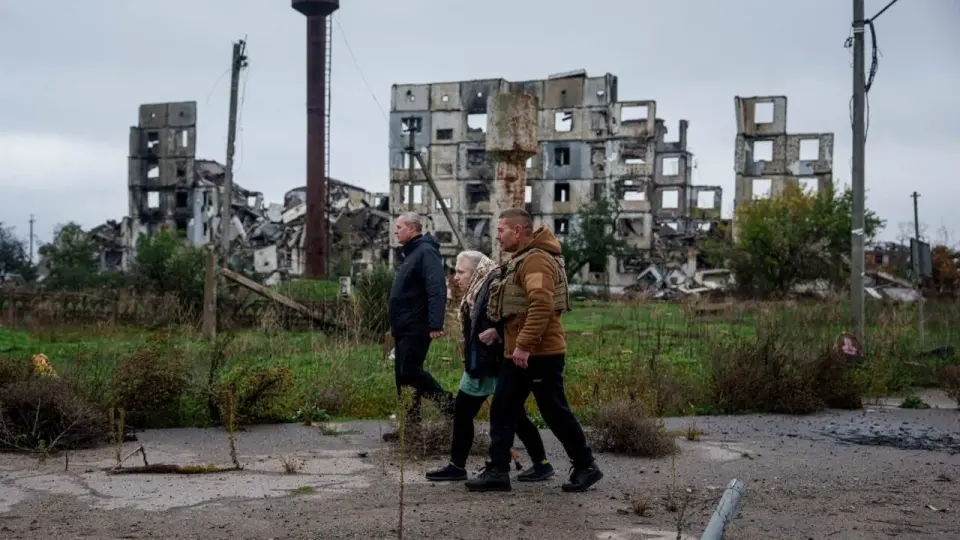
The longest localized truce of the Ukraine war ended on November 1 after Russia refused to extend the pause in the Kherson region. Brokered by US First Lady Melania Trump, the ceasefire began on October 27 and facilitated a humanitarian mission to the Russian-occupied city of Oleshky. While both sides largely honored the terms, allowing 180 people to evacuate to Ukrainian-controlled territory, the truce did not prevent broader strikes elsewhere. Russia rejected an extension offer from Kyiv, citing its unchanged maximalist demands, while Ukrainian officials warned that Russian forces used the calm to reposition troops and gather intelligence. The event highlighted the severe humanitarian crisis in occupied areas, where residents had faced starvation and isolation for months, but it did not resolve the broader conflict or prevent ongoing attacks on energy infrastructure.
Key points
- The ceasefire in Kherson Oblast, the longest since 2022, ended on November 1 after Russia declined an extension proposed by Ukraine's foreign ministry.
- The truce, brokered by Melania Trump, enabled the evacuation of 180 people, including 23 children, from riverside communities and Oleshky to Ukrainian-controlled areas via Belarus.
- Ukrainian officials reported no major violations during the truce, though Russian forces allegedly used the pause to move troops, transport ammunition, and conduct drone surveillance.
- Residents of Oleshky, which had faced a humanitarian collapse with no food or medicine since summer, reunited with families after being separated for up to 1,711 days.
- Despite the localized peace, both sides exchanged strikes elsewhere, including Ukrainian attacks on Russian oil refineries in Ufa and Moscow, and Russian drone attacks on Ukrainian energy infrastructure.
Background
This development follows months of escalating humanitarian crises in Russian-occupied Kherson, particularly in Oleshky, where residents faced starvation and isolation due to mined roads and bombardment. Previous attempts to secure aid or evacuations had failed, with no official evacuation occurring in four years. The current ceasefire was a rare de-escalation, but it occurred against a backdrop of stalled peace talks, with Russia rejecting broader ceasefire proposals and maintaining maximalist demands since the 2022 invasion. The conflict has entered its fifth year, with Russia occupying roughly 20% of Ukraine, including Crimea and parts of the Donbas and southern regions.
How outlets are covering it
France 24 and CNN emphasized the humanitarian success of the ceasefire, highlighting the reunification of families and the evacuation of 180 people, including those who had been cut off for nearly two years. They noted that the truce was brokered by Melania Trump and praised by Pope Leo XIV as a step toward dialogue. AP News focused on the grim reality of the 'kill zone' in Kherson, describing the daily survival struggles of residents who refused to leave despite the danger, and the logistical challenges of evacuating through mined areas. The Institute for the Study of War (ISW) provided a more critical assessment, noting that while the humanitarian mission was successful, Russia used the ceasefire to strengthen its military positions and logistics. ISW also highlighted that Russia continues to reject broader ceasefire proposals and blames Ukrainian long-range strikes for stalled peace talks, despite its own daily strike campaigns. All sources agreed that the ceasefire did not prevent broader military actions, with both sides exchanging strikes on energy and military infrastructure elsewhere.
Why it matters
The end of the Kherson ceasefire underscores the fragility of localized truces in the ongoing Ukraine-Russia war. While the humanitarian mission provided critical relief and evacuations for trapped civilians, it did not lead to a broader peace or a sustained reduction in hostilities. Russia's refusal to extend the ceasefire and its use of the pause to reposition troops suggest that the truce was a tactical opportunity rather than a step toward peace. The continued strikes on energy infrastructure and the lack of progress in peace talks indicate that the conflict remains entrenched, with significant humanitarian and military consequences for both sides. The event also highlights the role of international mediators, such as Melania Trump, in facilitating narrow humanitarian breakthroughs, but it does not resolve the broader geopolitical stalemate.
What to watch
Ukraine and Russia are expected to resume US-mediated talks this month, though progress is uncertain given Russia's refusal to compromise on its maximalist demands. Ukrainian officials warn that fighting may intensify after the ceasefire, as Russian forces have used the pause to reposition troops and gather intelligence. The humanitarian situation in occupied areas remains critical, with many residents still trapped in 'kill zones' and facing ongoing threats from drones and artillery. Ukraine may continue its long-range strike campaign against Russian energy and military infrastructure, while Russia is likely to maintain its saturation strikes against Ukrainian energy systems. The outcome of the upcoming talks and the potential for further localized ceasefires will depend on the willingness of both sides to engage in meaningful negotiations, though current trends suggest limited progress.
- Ceasefire in Ukraine's Kherson region ends after Russia refuses extension France 24
- A brief ceasefire opens a perilous escape window from Kherson’s riverside kill zone AP News
- Ukraine says Russia used Oleshky truce to rearm, Moscow assumes Kyiv did same Reuters
- Russian Offensive Campaign Assessment, October 31, 2026 Institute for the Study of War
- Reunited after 1,711 days: Oleshky evacuees return to Ukraine under Melania Trump-brokered ceasefire CNN
Want the full story? Read the original reporting
Read on France 24