
Diplomatic Standoff Continues as Iran and US Weigh Post-Election Military Risks
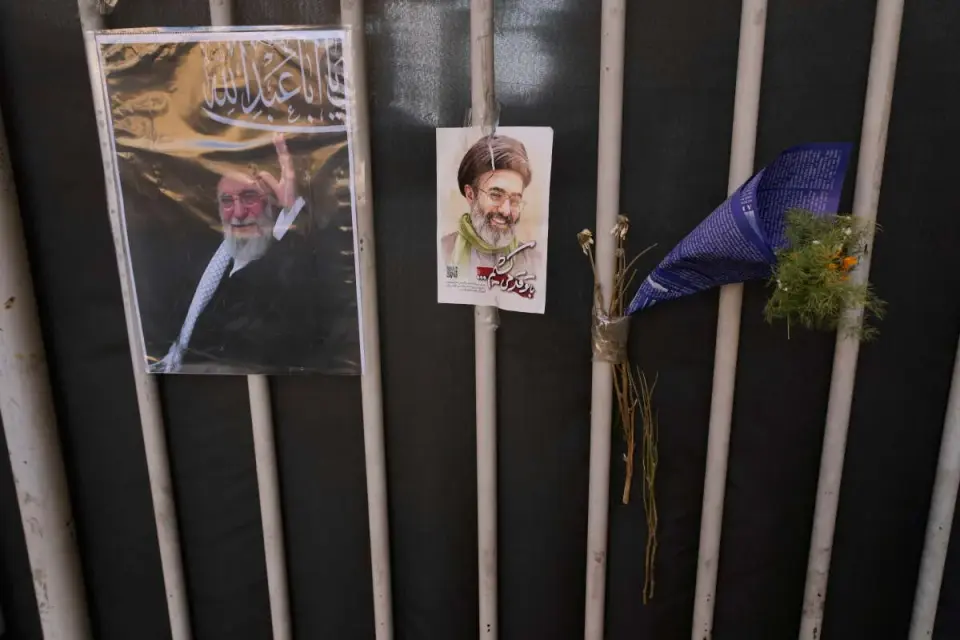
Negotiations to end the US-Iran conflict remain stalled after an Iranian delegation left Qatar without a final deal, though a draft proposal is circulating. Iran has signaled readiness for both diplomacy and war, demanding the lifting of port blockades and the reopening of the Strait of Hormuz within two days if US conditions are met. Meanwhile, regional leaders and China are pushing for dialogue to prevent a return to all-out war following the US midterm elections.
Key points
- An Iranian delegation departed Qatar on Sunday after talks aimed at ending the war, with a draft proposal now circulating for feedback and a follow-up meeting under discussion.
- Iran has publicly stated it would fully reopen the Strait of Hormuz to shipping within two days if Washington lifts its blockade of Iranian ports and meets other conditions.
- US President Donald Trump described a Saturday call with Israeli Prime Minister Benjamin Netanyahu as 'very good,' though Netanyahu has remained silent on the discussion since losing his parliamentary majority.
- Iran’s new supreme leader, Ayatollah Mojtaba Khamenei, urged military chiefs to expand the list of potential targets and stated that any response to a threat would have no 'geographic limits.'
- China announced it will send a special envoy to Iran, Oman, and Saudi Arabia in early to mid-November to promote dialogue and prevent the Gulf from becoming an arena for great-power rivalry.
Background
This standoff follows months of intense diplomatic efforts, including the Mecca Pact leaders' meetings in Tehran and G7 energy releases, all aimed at preventing a renewed war. The current tension is heightened by the recent US midterm elections and the loss of Netanyahu's parliamentary majority, which analysts fear could lead to emergency military actions to maintain political power.
Why it matters
The failure to reach a deal risks a return to all-out war in the Middle East, which could disrupt global energy supplies through the Strait of Hormuz and destabilize the region. The involvement of major powers like China and the US, along with the shifting political landscape in Israel and the US, makes the next few weeks critical for global security and economic stability.
What to watch
A follow-up meeting is under discussion to address the draft proposal. Iran is awaiting the latest US response to its conditions, while China’s special envoy is expected to visit the region in early to mid-November to push for dialogue. The outcome will depend on whether the US and Iran can bridge their positions on nuclear concessions and naval blockades.
Want the full story? Read the original reporting
Read on AP News