
Myanmar Leader Rejects Parts of ICJ Genocide Ruling
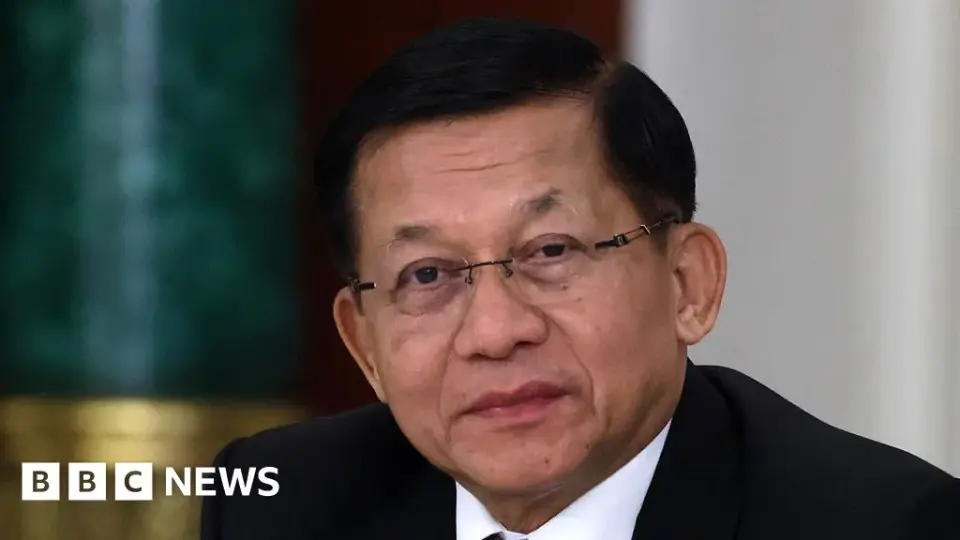
Myanmar’s leader Min Aung Hlaing stated the country will not comply with parts of the International Court of Justice’s ruling that it committed genocide against the Rohingya. The ICJ found Myanmar guilty in November 2026, marking the first time a state was found in violation of the 1948 Genocide Convention. While the ruling orders reparations and safe return for displaced Rohingya, Myanmar’s refusal to fully comply raises questions about enforcement and justice for survivors.
Key points
- Min Aung Hlaing said Myanmar will not comply with 'inappropriate' parts of the ICJ ruling but will take actions appropriate for a responsible country.
- The ICJ found Myanmar guilty of genocide against the Rohingya in 2017, with approximately 10,000 killed and over 700,000 displaced.
- Myanmar denied committing genocide, claiming its forces responded to attacks by armed groups.
- The ruling is the first time a state has been found in violation of the 1948 Genocide Convention.
- The ICJ lacks direct enforcement power, and Myanmar’s refusal to comply complicates the implementation of reparations and safe return for Rohingya.
Background
The ICJ ruling on November 19, 2026, was a landmark decision in the 80-year history of the court, finding Myanmar guilty of genocide for the first time. The case was brought by The Gambia in 2019, and the ruling has significant legal implications for other pending genocide cases, including South Africa’s claim against Israel. Myanmar has been under military rule since a coup in 2021, and the country has faced widespread displacement and economic challenges. The 2017 'clearance operations' in Rakhine State targeted approximately 815,000 Rohingya, leading to the world’s largest refugee camp in Cox’s Bazar, Bangladesh.
How outlets are covering it
BBC reported that Min Aung Hlaing stated Myanmar will not comply with 'inappropriate' parts of the ICJ ruling, while The New Humanitarian emphasized the gap between recognizing genocide and delivering justice, highlighting the challenges of enforcement and the role of the Arakan Army in controlling Rakhine State. The New Humanitarian also noted the persistence of identity-denial politics and the need for meaningful consultation with Rohingya communities in any future governance arrangements.
Why it matters
Myanmar’s refusal to fully comply with the ICJ ruling undermines the potential for justice and reparations for the Rohingya. The ruling sets a precedent for other genocide cases, but the lack of enforcement power and Myanmar’s resistance highlight the challenges of holding states accountable for atrocities. The situation also raises questions about the future of Rohingya return and the role of armed groups in controlling their ancestral homeland.
What to watch
The Gambia and supporting states, including ASEAN countries, are expected to continue pressing Myanmar to comply with its international obligations. The international community may explore options for a special self-governing arrangement for Maungdaw and Buthidaung townships, with international monitoring and guaranteed rights. The UN Security Council could decide to implement the ruling through a resolution, but enforcement remains uncertain.
- Myanmar refuses to comply with parts of ICJ genocide ruling BBC
- Opinion | What the Myanmar Genocide Means for Israel WSJ
- Myanmar says it will not fully comply with ICJ genocide orders Reuters
- After genocide recognition, who will deliver justice to the Rohingya? The New Humanitarian
- Myanmar genocide ruling presents China with a dilemma The Conversation
Want the full story? Read the original reporting
Read on BBC