
Pakistan strikes Afghan provinces, killing civilians as cross-border tensions flare
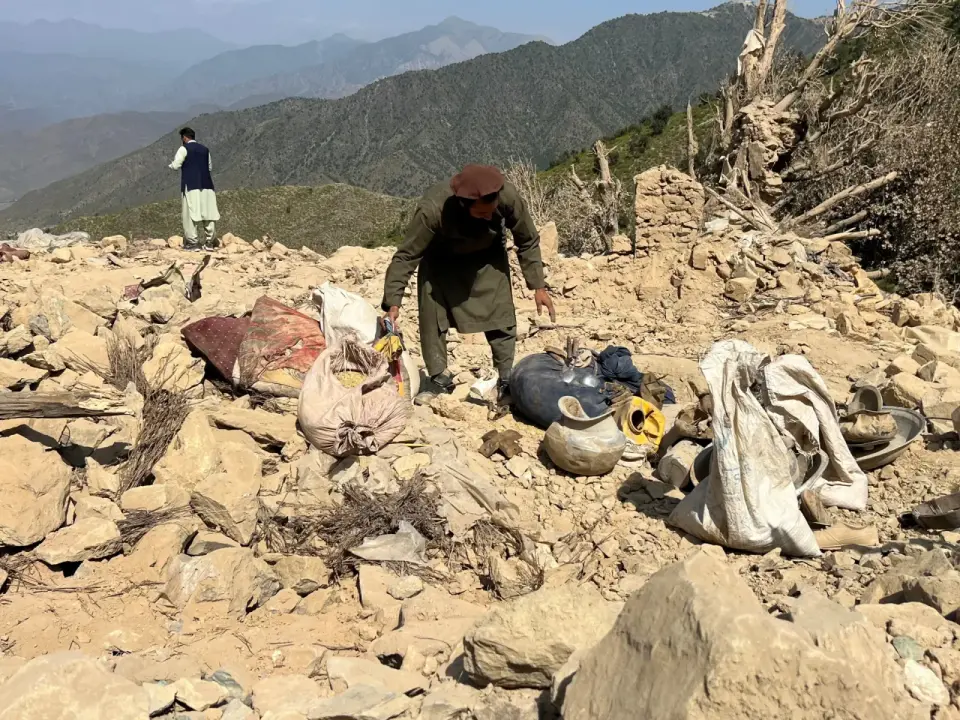
Pakistan conducted airstrikes in Afghanistan's Kunar and Helmand provinces on October 1, 2026, killing at least nine civilians, including women and children, according to the Afghan Taliban government. Islamabad claims the strikes targeted militant camps and killed 22 fighters. The UN reports over 1,100 civilian casualties in Afghanistan this year due to cross-border violence.
Key points
- Pakistan's Information Ministry stated the strikes were 'well planned and calibrated,' targeting camps of the Pakistani Taliban (TTP) and Balochistan Liberation Army (BLA), and claimed 22 fighters were killed.
- Afghan Taliban spokesman Zabihullah Mujahid reported that the strikes killed nine people and wounded 11 others, destroying three houses in Kunar and Helmand provinces, with women and children among the dead.
- The UN Assistance Mission in Afghanistan (UNAMA) confirmed at least 10 civilian deaths, mostly children, and nine injuries, calling for de-escalation and dialogue.
- The strikes follow three months of relative calm but mark a significant escalation in cross-border hostilities, with Pakistan accusing Kabul of harboring armed groups.
- UNAMA documented over 1,100 civilian deaths and injuries in Afghanistan from cross-border violence so far in 2026.
Background
Cross-border tensions between Pakistan and Afghanistan have intensified since February 2026, following a fragile ceasefire mediated by China in March that collapsed. Recent incidents include a deadly attack on a police facility in north-west Pakistan in September, blamed on the TTP, and earlier Pakistani airstrikes in September that killed four civilians in Afghanistan. The conflict is rooted in Pakistan's accusation that the Afghan Taliban government harbors militant groups, a charge Kabul denies, calling it an internal Pakistani issue.
How outlets are covering it
Pakistan's Information Ministry framed the strikes as precise, intelligence-led operations against terrorist camps, claiming 22 fighters killed and no civilian casualties. In contrast, the Afghan Taliban government and the UN condemned the strikes as aggression, reporting civilian deaths, including women and children, and destroyed homes. Al Jazeera and BBC reported on the conflicting claims, noting that neither side's casualty figures could be independently verified. The Jerusalem Post and AP News highlighted the escalation in cross-border violence and the humanitarian impact, with UNAMA documenting over 1,100 civilian casualties in Afghanistan this year. BBC reported an eyewitness account from Garmsir, describing the strikes as occurring at night and causing panic among residents.
Why it matters
The strikes signal a dangerous escalation in cross-border violence between Pakistan and Afghanistan, with significant civilian casualties. The conflict threatens regional stability and highlights the failure of previous diplomatic efforts to resolve the dispute over militant sanctuaries. The UN's call for de-escalation and dialogue underscores the urgent need for a resolution to prevent further humanitarian harm.
What to watch
The situation is likely to remain tense, with potential for further retaliatory strikes or diplomatic efforts to de-escalate. The UN's call for dialogue and respect for international law may prompt international mediation, but the lack of a lasting ceasefire since March suggests that the conflict may continue. Pakistan's accusations of Afghan harboring militants and Kabul's denial of responsibility create a stalemate that could lead to further cross-border violence.
- Pakistan says 22 fighters killed in air attacks on Afghanistan hideouts Al Jazeera
- Pakistani airstrikes in Afghanistan kill 9 civilians, Kabul says; Pakistan says only militants hit AP News
- Pakistani strikes kill nine in Afghanistan, Kabul reports The Jerusalem Post
- Pakistan launches deadly air strikes on Afghanistan bbc.com
- Pakistan’s Escalating Response to Cross-Border Terrorism The Diplomat – Asia-Pacific Current Affairs Magazine
Want the full story? Read the original reporting
Read on Al Jazeera