
Pope Leo XIV Calls Putin from Hospital Bed to Demand Aid for Starving Oleshky
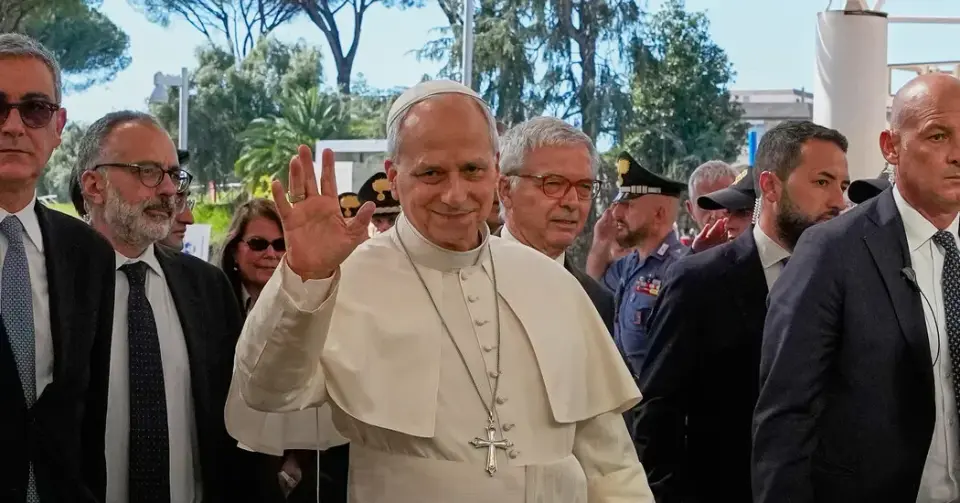
Pope Leo XIV, recovering from lung cancer surgery, telephoned Vladimir Putin on Oct. 16 to demand a ceasefire and food aid for Oleshky, Ukraine, where thousands are trapped. Putin agreed to cooperate on humanitarian efforts but blamed Kyiv for the crisis. The call highlights the pope’s active diplomacy despite his illness.
Key points
- Pope Leo XIV spoke with Putin three days after undergoing lung cancer surgery in Rome.
- The pope requested a safe corridor and food delivery for Oleshky, a city in the Kherson region.
- Approximately 2,000 to 6,000 civilians, including children, are trapped in Oleshky due to mines and drones.
- Putin thanked the pope for his humanitarian efforts but blamed Ukraine for the situation.
- The Vatican confirmed the pope resumed work and is moving independently after surgery.
Background
Pope Leo XIV, the first US-born pope, has consistently advocated for peace in Ukraine since his election in May 2025. Recent weeks have seen intensified Russian strikes on Ukrainian infrastructure, including Kyiv bridges, and diplomatic efforts by European leaders like German Chancellor Friedrich Merz to secure aid. The current crisis in Oleshky follows a broader pattern of Russian blockade and drone attacks on civilian areas.
How outlets are covering it
The New York Times and National Catholic Reporter emphasize the pope’s personal commitment and the dire humanitarian situation, noting the pope’s recent surgery. The Kremlin’s statement, reported by all sources, frames the call as constructive but places blame on Kyiv. CNN’s coverage focuses on the pope’s public appearance post-surgery, while The Washington Post’s unrelated content on DC issues does not contribute to this story. Disagreements exist on the cause of the blockade: Ukraine and the Vatican blame Russia, while the Kremlin blames Kyiv.
Why it matters
The pope’s direct intervention signals high-level diplomatic engagement in the Ukraine war, potentially influencing humanitarian aid delivery. It also underscores the severe humanitarian crisis in Oleshky, where civilians face starvation. The pope’s health adds urgency to his advocacy, as his recovery may limit future diplomatic efforts.
What to watch
Monitoring for any concrete humanitarian aid or ceasefire agreements following the pope’s call. Observing the pope’s health updates and any further diplomatic missions by Vatican envoys like Cardinal Matteo Zuppi. Tracking Russian and Ukrainian responses to the pope’s appeal in Oleshky.
- Pope Asks Putin for a Cease-Fire for a Ukrainian City Under Siege The New York Times
- Pope Leo speaks with Putin from hospital, just days after lung cancer surgery CNN
- Pope Leo calls Putin from hospital urging ceasefire, aid to starving Ukrainians National Catholic Reporter
- Pope speaks to Putin from hospital, voices concern over Ukraine The Washington Post
- Pope urges humanitarian ceasefire in Oleshky in call with Russian President Vatican News
Want the full story? Read the original reporting
Read on The New York Times