
SCO Leaders Convene in Bishkek Amid Global Tensions
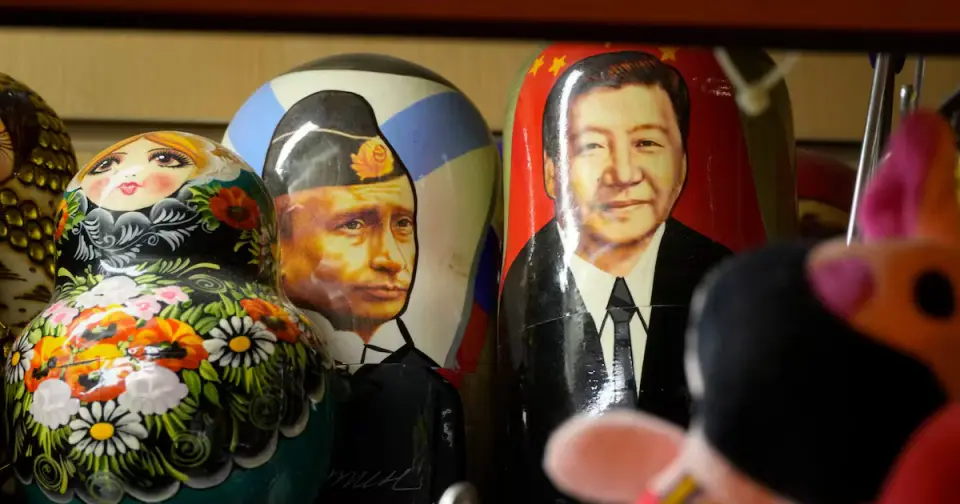
Leaders of Russia, China, India, and Iran are set to meet in Kyrgyzstan for the 25th anniversary of the Shanghai Cooperation Organization. The summit highlights a push for a multipolar world order while members face ongoing conflicts and U.S. sanctions.
Key points
- Vladimir Putin, Xi Jinping, Narendra Modi, and Masoud Pezeshkian will attend a two-day summit in Bishkek, Kyrgyzstan, marking 25 years of the Shanghai Cooperation Organization.
- The gathering includes approximately a dozen heads of state from the bloc, which comprises Russia, China, India, Pakistan, Iran, four Central Asian nations, and Belarus.
- Putin is expected to hold bilateral talks with Pezeshkian and Xi, following recent diplomatic movements including a CIA director visit to Moscow.
- The summit occurs during active conflicts in Ukraine and Iran, as well as trade disputes involving U.S. tariffs on Chinese and Indian goods.
- Recent U.S. secondary sanctions target Iran’s trading partners in sectors like gold, technology, and aviation, prompting China to vow to defend its interests.
Background
The Shanghai Cooperation Organization was founded to focus on economic issues but has gained momentum under Russian and Chinese leadership. It claims to represent 40 percent of the world’s population and 25 percent of global GDP. Iran joined the bloc in 2023, seeking to circumvent Western sanctions, though experts note limited concrete benefits during crises. The group includes 15 dialogue partners, such as Turkey and Saudi Arabia, and two observers, Afghanistan and Mongolia.
Why it matters
The summit signals a coordinated effort by major powers to challenge Western influence. It underscores the geopolitical fragmentation as members navigate military conflicts, economic sanctions, and internal disagreements over regional influence in Central Asia.
What to watch
Leaders will engage in plenary sessions and bilateral meetings. The outcome will likely reinforce the bloc’s stance on a multipolar world, though internal tensions between members may limit unified action.
Want the full story? Read the original reporting
Read on CTV News