
Rights groups declare April strike killing Lebanese journalist Amal Khalil a war crime
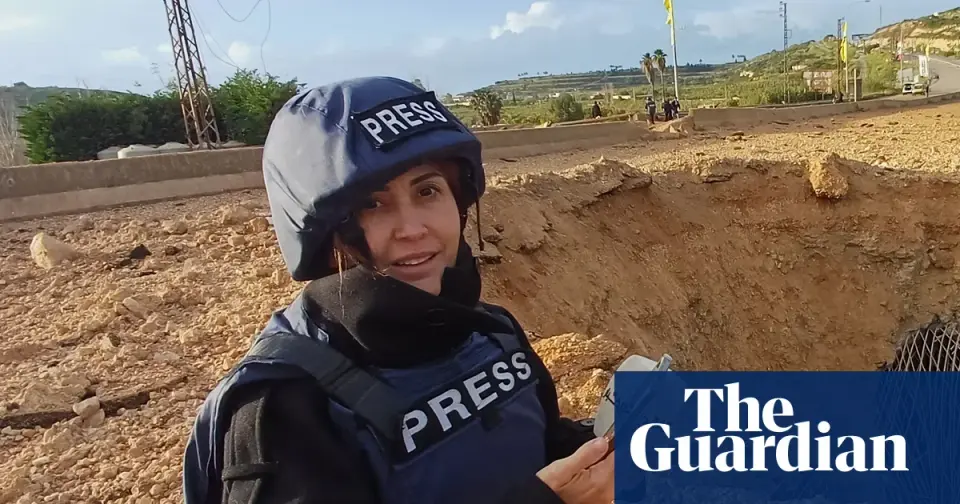
Human Rights Watch, Amnesty International, and Legal Agenda concluded that an Israeli airstrike in southern Lebanon on April 22, 2026, constituted a war crime. The strike killed journalist Amal Khalil and injured camerawoman Zeinab Faraj. The organizations found that Israel deliberately targeted the two civilians and blocked rescue efforts for hours, despite knowing they were non-combatants.
Key points
- Three rights organizations determined that the April 22 strike in al-Tiri, Lebanon, was a direct attack on civilians, violating international humanitarian law.
- Amal Khalil, a 42-year-old journalist, died from head trauma and bleeding; Zeinab Faraj, a 21-year-old camerawoman, suffered a fractured skull and severe injuries.
- Israel delayed rescue teams for hours via a deconfliction mechanism, with evidence suggesting Khalil could have survived if rescued earlier.
- The Israeli military stated it was targeting Hezbollah operatives and regrets harm to journalists, but denies intentionally targeting press personnel.
- The UN reports at least 15 journalists killed in Lebanon and 210 in Gaza since 2023, highlighting a pattern of impunity.
Background
This incident occurs amid ongoing tensions in southern Lebanon, where Israel maintains a 'Forward Defence' zone. Previous archive coverage notes widespread destruction in Nabatieh and ongoing strikes in Gaza, underscoring the broader context of civilian casualties and humanitarian crises in the region since 2023.
How outlets are covering it
The Guardian, Washington Post, and ABC News all report on the findings of the rights organizations, emphasizing the deliberate nature of the attack and the failure of rescue efforts. Amnesty International and Human Rights Watch stress that the presence of drones and the delay in rescue authorization prove Israel knew the victims were civilians. In contrast, the Israeli military maintains that the strike was part of a sequence targeting Hezbollah operatives and that it does not intentionally target journalists, though it regrets any harm caused. The Washington Post highlights the review of photo and video evidence, while ABC News details the timeline of the three strikes and the role of the deconfliction mechanism in blocking rescue teams.
Why it matters
The determination of a war crime by major international organizations could lead to increased pressure for an arms embargo on Israel and targeted sanctions against officials. It also underscores the ongoing risk to journalists in conflict zones and the potential for legal accountability for violations of international humanitarian law.
What to watch
The rights organizations are calling for an independent investigation into the incident and for the international community to impose an arms embargo on Israel. The Israeli military has referred the incident to its fact-finding mechanism, but no immediate changes in policy or military operations have been announced.
- Israeli strike that killed journalist in Lebanon was war crime, say rights groups The Guardian
- Israel’s killing of journalist Amal Khalil was a war crime, rights group says The Washington Post
- Israel accused of targeting journalists in deadly series of strikes ABC News & Headlines – Australian Broadcasting Corporation
- Lebanon: Deadly Israeli attack on journalist Amal Khalil must be investigated as a war crime Amnesty International
- Rights groups accuse Israel of targeting and killing Lebanese journalist Amal Khalil AP News
Want the full story? Read the original reporting
Read on The Guardian