
Russia’s Wartime Duma Vote: Coercion, Censorship, and the Illusion of Choice
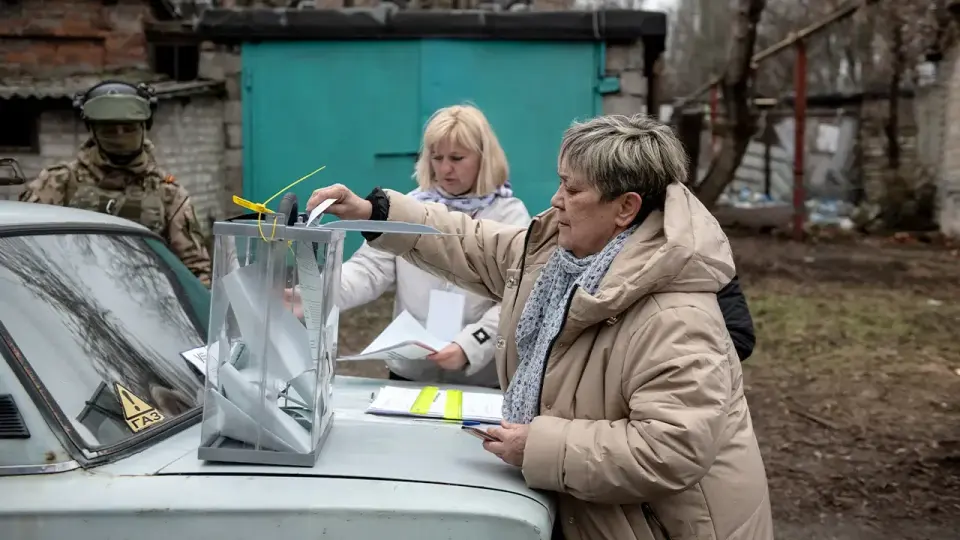
Russia is holding its first State Duma elections since the 2022 invasion of Ukraine, spanning September 18–20, 2026. The vote includes Russian-occupied territories in Ukraine, a move condemned by Kyiv and international bodies as illegal. Critics describe the process as a predetermined ritual designed to manufacture legitimacy for President Vladimir Putin’s war, with no meaningful opposition allowed to compete. While United Russia is expected to win a majority, analysts suggest turnout and vote margins may reveal deeper public discontent amid economic strain and battlefield stagnation.
Key points
- Voting takes place over three days, starting September 18, 2026, for 450 State Duma seats.
- The election extends to Russian-occupied areas of Donetsk, Luhansk, Kherson, Zaporizhzhia, and Crimea.
- The OSCE refused to send observers, citing a breach of international commitments by Moscow.
- The anti-war Yabloko party was barred by the Supreme Court after initially being registered.
- 186 war veterans are running for the Duma under Putin’s 'Time of Heroes' program.
- Moscow introduced electronic voting incentives, including points for prizes, to boost participation.
Background
This is the first parliamentary election in Russia since the full-scale invasion of Ukraine began in February 2022. Previous coverage noted that Moscow has used such votes to project stability and legitimacy, often under conditions of strict censorship and suppression of dissent. In 2024, Putin won a fifth presidential term with over 90% support in occupied regions, a result widely viewed as fabricated. The current vote occurs amid rising fuel shortages, inflation, and Ukrainian drone strikes on Russian infrastructure, which have eroded the narrative of a 'special military operation' as a distant conflict.
How outlets are covering it
Fox News emphasizes the Kremlin’s use of intimidation, including soldiers escorting ballot boxes in occupied Ukraine, and highlights the exclusion of the OSCE as a signal of non-democratic intent. CNN focuses on the absence of opposition, noting that all six candidates in Ryazan skipped a televised debate, and details the banning of Yabloko after it gained unexpected online support. The Conversation analyzes the mechanics of coercion, arguing that while United Russia will win, the true measure of public sentiment lies in turnout and vote margins, not the outcome itself. All sources agree that the election is a tool for political legitimacy rather than a genuine democratic exercise, but they differ in emphasis: Fox and CNN highlight repression and exclusion, while The Conversation focuses on statistical indicators of dissent.
Why it matters
The election serves as a barometer for public support of Putin’s war policy at a time when battlefield momentum has stalled and economic costs are rising. The Kremlin’s need to manipulate results and suppress opposition suggests deepening internal anxiety about losing legitimacy. For Ukraine and the international community, the vote reinforces the illegitimacy of Russian control over occupied territories and underscores the ongoing conflict’s impact on Russian domestic politics. The outcome may influence future mobilization efforts and diplomatic negotiations, as a low turnout or narrow margin could signal widespread public fatigue with the war.
What to watch
Results will be tallied over the three-day voting period, with final outcomes expected by September 20. Analysts will scrutinize turnout rates and United Russia’s vote share for signs of public discontent. The Kremlin may use the results to justify continued war efforts or potential mobilization, while Ukraine and Western allies will likely condemn the vote as illegal. The fate of the Yabloko party and its leaders, including Lev Shlosberg, will remain a focal point for human rights advocates. Future elections may see further restrictions on dissent, as the Kremlin seeks to maintain control over the narrative of the war.
- ‘Voters get to choose — just not the result���: Russia’s parliamentary election reaches occupied Ukraine foxnews.com
- Why Autocrats Care What People Think The New York Times
- Russians Go To Polls Amid Ukraine War And Putin's Tightening Grip Yahoo
- Empty podiums, prizes for e-voting, no opposition: Russians head to the polls amid intensifying war in Ukraine cnn.com
- Putin’s United Russia will win – but vote tally, turnout and level of coercion will tell the real story of Russia’s wartime elections theconversation.com
Want the full story? Read the original reporting
Read on foxnews.com