
Putin Orders Closure of Germany's Goethe-Institut Centers in Russia
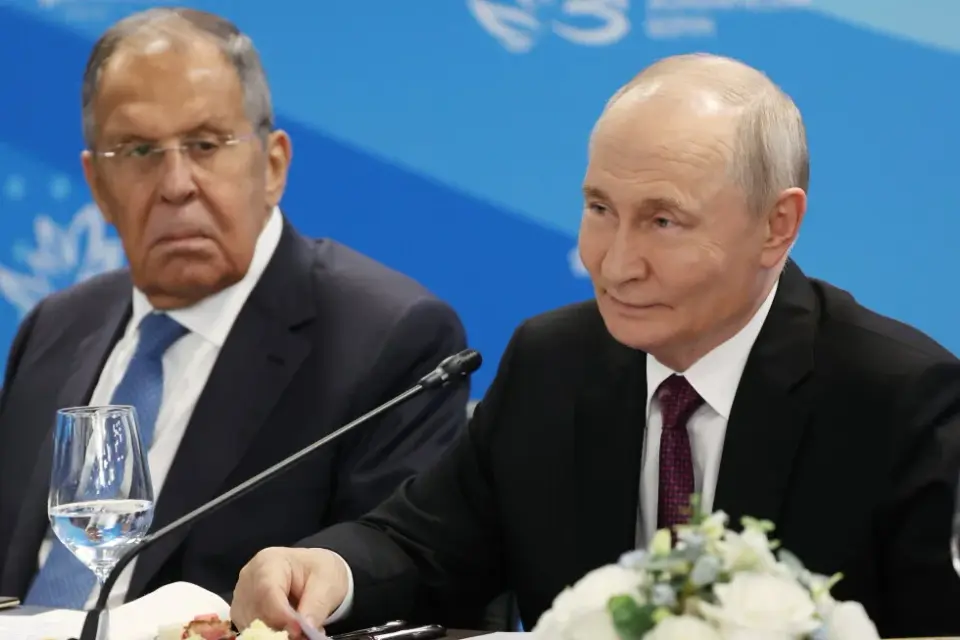
Russian President Vladimir Putin has ordered the closure of all German Goethe-Institut cultural centers within Russia. This move marks a significant escalation in cultural and diplomatic tensions between Moscow and Berlin, effectively ending a decades-long program of German language and cultural exchange in the country.
Key points
- Russian President Vladimir Putin has directed the closure of all Goethe-Institut centers located in Russia.
- The Goethe-Institut is Germany's primary organization for promoting the German language and culture abroad.
- This decision represents a major shift in cultural relations between Russia and Germany.
- The closure follows a period of heightened geopolitical tensions between the two nations.
Background
This decision comes amid a broader backdrop of rising tensions between Germany and Russia, as noted in recent archive coverage. In August 2026, an explosion at Augsburg’s main train station injured two Ukrainians, prompting investigations into potential motives linked to these strained relations. Additionally, political shifts in Germany, such as the potential rise of the AfD in Saxony-Anhalt, have highlighted a growing discourse on migration and closer ties with Moscow, further complicating the diplomatic landscape. The closure of the Goethe-Institut centers adds another layer to this evolving geopolitical dynamic.
Why it matters
The closure of the Goethe-Institut centers signals a significant deterioration in cultural and diplomatic relations between Russia and Germany. It reflects the broader geopolitical tensions and could have long-term implications for cultural exchange and soft power between the two countries.
What to watch
It is unclear when the closures will take effect or if there will be any retaliatory measures from Germany. The move may also influence future diplomatic negotiations and cultural policies between the two nations.
Want the full story? Read the original reporting
Read on AP News