
25 Years Later, Families of Eritrea's G-15 Prisoners Still Seek Answers
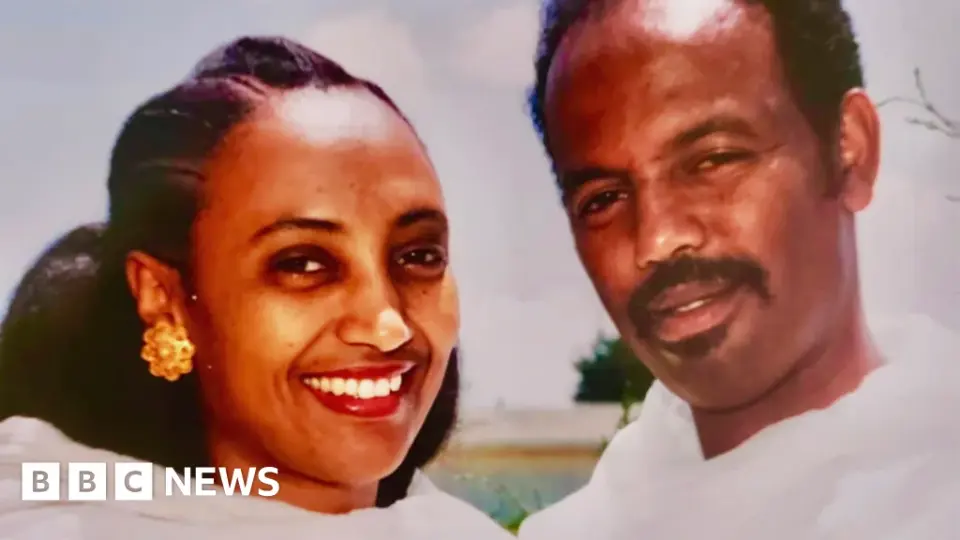
Twenty-five years after the arrest of Eritrea's G-15 political leaders, their families remain without information regarding their whereabouts. The BBC reports that former ministers and war heroes, including Petros Solomon and Mahmoud Ahmed Sherifo, were detained in 2001 without trial. Their children, now adults, describe the trauma of growing up as orphans and the ongoing uncertainty about whether their parents are alive. Human rights groups continue to demand transparency and release for these prisoners of conscience.
Key points
- In September 2001, Eritrean security forces arrested 11 senior officials, including former defense and foreign ministers, following an open letter demanding elections and constitutional implementation.
- The detainees, known as the G-15, were accused of treason but never brought to trial or allowed to see family members.
- Hanna Petros Solomon, now 35, recalls her father's arrest and her mother's subsequent detention in 2003 after returning from the US despite government assurances of safety.
- Ibrahim Sherifo, 38, was 13 when his parents, senior ruling party members, were taken; he now lives in exile in the Netherlands.
- The Eritrean government has not responded to requests for comment regarding the prisoners' status or location.
- UN and human rights organizations classify the G-15 as prisoners of conscience and continue to call for their release.
Background
Eritrea gained independence from Ethiopia in 1993 after a long liberation war. President Isaias Afewerki has ruled without holding elections or implementing the 1997 constitution. The G-15 arrests in 2001 marked a significant crackdown on dissent, coinciding with the closure of independent media. Previous BBC coverage has highlighted ongoing tensions between Eritrea and Ethiopia, as well as the continued repression of dissent within Eritrea, including the recent release of a cartoonist after 15 years in prison.
Why it matters
The case of the G-15 highlights the enduring lack of transparency and rule of law in Eritrea. The 25-year silence regarding these high-profile prisoners underscores the severe restrictions on civil liberties and the government's control over information. For the families involved, the unresolved status of their parents represents a profound, ongoing trauma that has shaped their lives and the broader narrative of Eritrean political repression.
What to watch
Human rights organizations are expected to continue pressuring the Eritrean government for information on the G-15 and other political prisoners. Families of the detainees may continue to seek international attention to force disclosure. The lack of response from the Eritrean government suggests no immediate change in policy regarding the prisoners' status.
Want the full story? Read the original reporting
Read on BBC