
UK Sanctions Eight Israeli Firms Ahead of E1 Tender Deadline
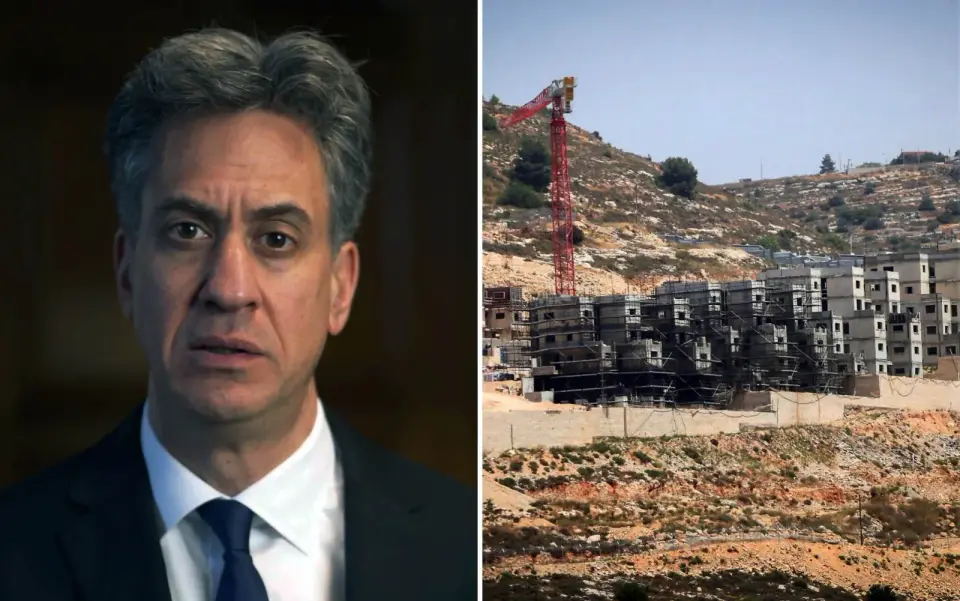
The UK government has imposed sanctions on eight Israeli construction companies and the activist group Tzav 9, citing their roles in West Bank settlement expansion and blocking aid to Gaza. This move precedes the deadline for tenders on the controversial E1 settlement project, which critics argue would sever the West Bank. While London aims to protect the two-state solution, Israeli leaders condemn the action as antisemitic and vow to continue construction.
Key points
- The UK sanctioned eight firms, including Har Hevron and Harey Zahav, for building settlements in the West Bank.
- Tzav 9 was blacklisted for blocking humanitarian aid trucks entering Gaza.
- The measures were announced just before the deadline for bids on the E1 settlement project, which would divide the West Bank.
- Foreign Secretary Ed Miliband stated the goal is to prevent the destruction of the two-state solution.
- Israeli settler leaders called the sanctions 'antisemitic' and vowed to build more, while the Palestinian Authority welcomed the move.
Background
This follows a significant deterioration in UK-Israel relations since September 2026, when London announced a ban on trade with settlements. Tensions peaked in October when Israel threatened to close the British consulate in East Jerusalem, leading to a compromise that downgraded the facility to a 'UK Mission' with reduced staff. The current sanctions are the first targeted at specific Israeli entities since the recent Knesset elections, which resulted in an inconclusive outcome and ongoing coalition negotiations.
How outlets are covering it
Outlets highlight divergent reactions to the sanctions. The Times of Israel and BBC report that Israeli Foreign Minister Gideon Sa’ar labeled the move a 'hostile act' against law-abiding companies, promising countermeasures. Conversely, the Palestinian Authority welcomed the sanctions as a clear message against settlement expansion. The Guardian notes that while the UK aims to disrupt finance flows, the practical impact on firms dependent on British capital remains untested. ABC News provides broader context, noting that Australia also sanctioned settler organizations, including Nachala, citing similar concerns about extinguishing the two-state solution. While the UK focuses on construction firms, Australian measures targeted individuals like Daniella Weiss, reflecting different strategic approaches to the same issue.
Why it matters
The sanctions signal a shift in Western policy toward direct economic pressure on settlement infrastructure. By targeting the E1 project, which would physically divide the West Bank, the UK aims to preserve the viability of a two-state solution. The timing, coinciding with the Knesset’s formation of a new government, suggests an attempt to influence Israeli policy before a new administration takes power. The measures also highlight the deepening rift between London and Jerusalem, moving from diplomatic disputes to financial restrictions.
What to watch
The Israel Land Authority is set to open bids for 1,234 housing units in the E1 corridor on Thursday. The UK government is also developing legislation to ban the import of goods from settlements and advertising services for settlement properties. Israel is expected to announce 'countermeasures' in response to the sanctions, potentially affecting diplomatic relations and trade. The new Israeli government, yet to be fully formed, will face pressure to address the violence and settlement expansion cited by London.
- ‘Do not build’: UK sanctions 8 Israeli construction companies for building West Bank settlements The Times of Israel
- Australia sanctions Israeli settlers, organisations over West Bank expansion Reuters
- UK sanctions firms over Israeli West Bank settlements BBC
- Ed Miliband announces first sanctions on Israeli firms working in West Bank The Guardian
- Australia hits the godmother of Israel's settler movement with sanctions ABC News & Headlines – Australian Broadcasting Corporation
Want the full story? Read the original reporting
Read on The Times of Israel