
UN expands settlements blacklist to 214 firms amid European trade bans
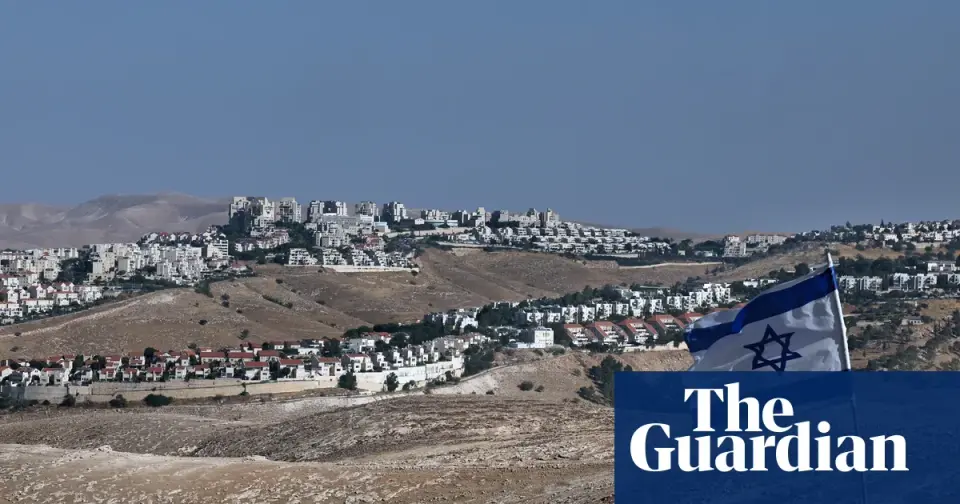
The UN human rights office has added 61 companies to its database of firms linked to Israeli settlements in the occupied West Bank and East Jerusalem, bringing the total to 214 businesses across 11 countries. The majority of listed entities are Israeli, with others based in the US, UK, France, and other nations. The list, which lacks binding enforcement power, aims to name and shame companies involved in activities such as construction, surveillance, and utility provision. Israel rejects the database as illegitimate, while European nations have recently banned trade with settlement-linked goods.
Key points
- The UN Office of the High Commissioner for Human Rights added 61 new companies to its settlements blacklist, bringing the total to 214 firms in 11 countries.
- The database includes 10 prohibited activities, such as facilitating settlement construction, providing surveillance equipment, and offering banking or utility services.
- The UN applies a 'reasonable grounds' standard of proof, lower than criminal court requirements, and allows companies 60 days to respond to their inclusion.
- Five companies previously listed were removed in the latest update, and 14 companies responded to the UN's assessment process.
- Israel categorically rejects the list, calling it an attempt to blacklist firms that have committed no wrongdoing, while the UN emphasizes corporate human rights responsibilities.
Background
This development follows the International Court of Justice's 2024 advisory opinion declaring Israeli settlements unlawful. Recent months have seen increased scrutiny of settlement-linked trade, including a UK ban on such commerce and similar announcements by France and Canada. Earlier reports highlighted significant economic impacts on Palestinians in the West Bank, including rising unemployment and displacement, which the UN cites as context for the expanded corporate accountability measures.
How outlets are covering it
The Guardian and Al Jazeera both report the core facts of the 61 new additions and the total count of 214 firms. However, Al Jazeera provides more detail on the procedural aspects, noting that 126 businesses were assessed and 14 responded to the UN. Al Jazeera also lists specific non-Israeli companies like Salvat Logistica and mentions existing entries like Airbnb and Expedia. The Guardian focuses more on the political reaction, highlighting Israel's rejection and the concurrent European trade bans. Both sources agree that the list is non-binding but serves as a reputational tool, though Al Jazeera emphasizes the lower standard of proof compared to criminal courts.
Why it matters
The expansion of the UN blacklist signals growing international pressure on corporate complicity in the Israeli-Palestinian conflict. As European nations implement trade bans, the UN's naming and shaming strategy may influence investor decisions and public procurement. The list's growth reflects a broader trend of holding businesses accountable for human rights impacts in occupied territories, despite the lack of legal enforcement mechanisms.
What to watch
Companies listed in the database may face reputational damage and potential divestment, though the financial impact remains unclear. The UN will continue to monitor and update the list, while Israel is expected to maintain its opposition. European trade bans may lead to further diplomatic tensions and economic adjustments for firms involved in settlement-linked activities.
- UN adds 61 companies to settlements blacklist over alleged Palestinian human rights violations The Guardian
- U.N. Releases New List of Companies It Says Do Business With Israeli Settlements The New York Times
- UN expands list of firms involved in illegal Israeli settlement activities Al Jazeera
- UN blacklists 61 more firms operating in West Bank settlements The Times of Israel
- UN expands list of companies linked to Israeli settlements Reuters
Want the full story? Read the original reporting
Read on The Guardian