
UN Leadership Race Stalls as P5 Vetoes Threaten First Female Secretary-General
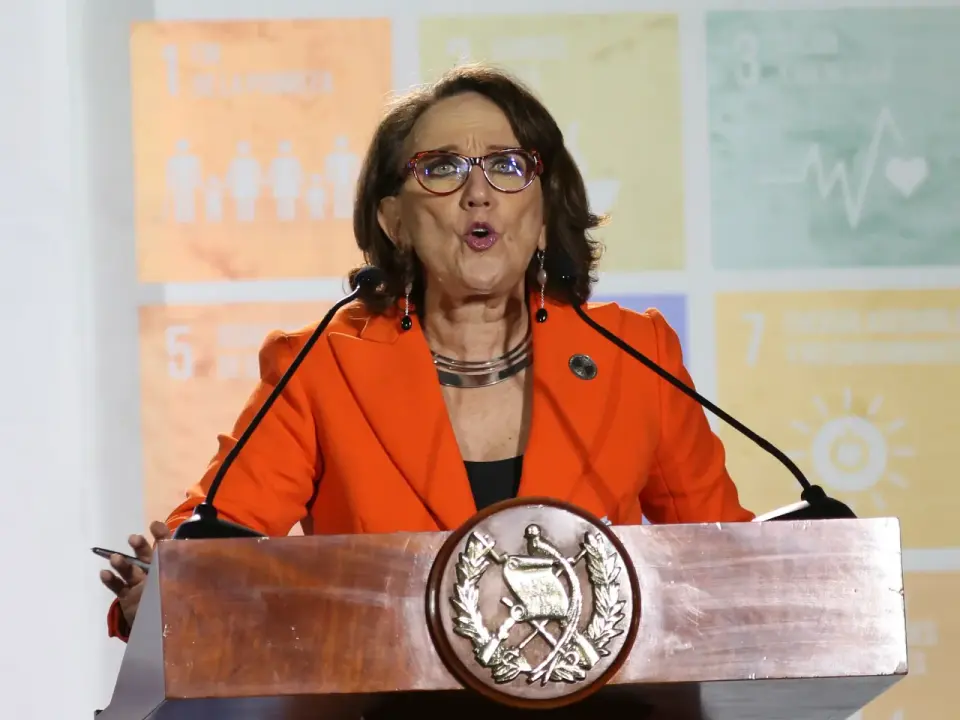
The selection of the next United Nations Secretary-General remains deadlocked as the five permanent Security Council members fail to reach consensus before the December 31 deadline. Costa Rican candidate Rebeca Grynspan leads informal polls but faces potential vetoes from the US and Russia, while late entrants Lana Nusseibeh and Feridun Sinirlioglu have fractured the race. Analysts warn that geopolitical fragmentation may result in a leaderless UN or a compromised candidate, marking a historic failure in the organization's leadership transition.
Key points
- Antonio Guterres must step down on December 31, 2026, but no successor has been confirmed, raising fears of a leadership vacuum.
- Rebeca Grynspan is the frontrunner with 12 'encourage' votes in the latest straw poll, but faces opposition from the US and Russia due to her stance on Israel and Ukraine.
- Late candidates Lana Nusseibeh (UAE) and Feridun Sinirlioglu (Turkey) have intensified the deadlock; Nusseibeh is backed by the US and Russia but faces Chinese skepticism and Sudan-related controversies.
- The UN is currently facing a severe financial crisis and staff reductions, complicating the transition for any incoming leader.
- The next straw poll is expected to be 'color-coded' to reveal P5 voting patterns, but no date has been set as members request more time.
Background
This race follows the 2016 and 2006 selections of Guterres and Ban Ki-moon, respectively, but is notably more contested. The UN is currently under strain from US funding cuts, criticism from the Trump administration, and exclusion from key conflicts in Iran and Ukraine. The archive notes that previous transitions, while sometimes delayed, rarely threatened a complete leadership gap, making the current impasse unprecedented in its potential for institutional instability.
How outlets are covering it
Al Jazeera emphasizes the 'opaque' nature of the process and the risk of a leaderless UN, highlighting the 'struggle over political influence' among P5 members. PassBlue focuses on the policy profiles of candidates, noting Sinirlioglu’s emphasis on discreet diplomacy and regional partnerships, while critiquing his lack of detail on climate and human rights. The Observer Research Foundation (ORF) frames the deadlock as a result of 'geopolitical fragmentation' and 'diplomatic horse-trading,' suggesting the final choice may be a compromise candidate acceptable to Beijing and tolerable to Washington. ORF also highlights the significance of the potential first female Secretary-General, a goal echoed in the BRICS New Delhi Declaration, whereas Al Jazeera notes that Grynspan’s 'continuity' approach may not satisfy those demanding reform.
Why it matters
The inability to appoint a Secretary-General by the deadline could leave the UN without a chief diplomat and administrator during a period of heightened global conflict. A leadership vacuum or a compromised candidate could weaken the UN’s ability to mediate disputes, manage its financial crisis, and uphold multilateral norms, potentially accelerating the shift toward bilateral diplomacy favored by the US administration.
What to watch
The next straw poll is expected to be 'color-coded' to distinguish P5 votes, though no date has been set. Candidates are continuing backchannel lobbying, with Grynspan’s team attempting to nudge Washington and Moscow toward acceptance. If no consensus is reached by December 31, the UNSC and General Assembly must negotiate an interim leadership arrangement, a scenario that has never occurred in UN history.
- US and rivals spar over next UN boss as race lurches towards deadline Al Jazeera
- Rebeca Grynspan could be the UN’s first woman boss, if she can sway Trump Al Jazeera
- Can a New Leader Make the U.N. Relevant Again? WSJ
- Feridun Sinirlioğlu Faces the General Assembly PassBlue
- Deadlock at the Top: The Search for the Next UN Secretary-General orfonline.org
Want the full story? Read the original reporting
Read on Al Jazeera