
UN Peacekeeping Mission in Western Sahara Ends After 35 Years Amid Security Council Deadlock
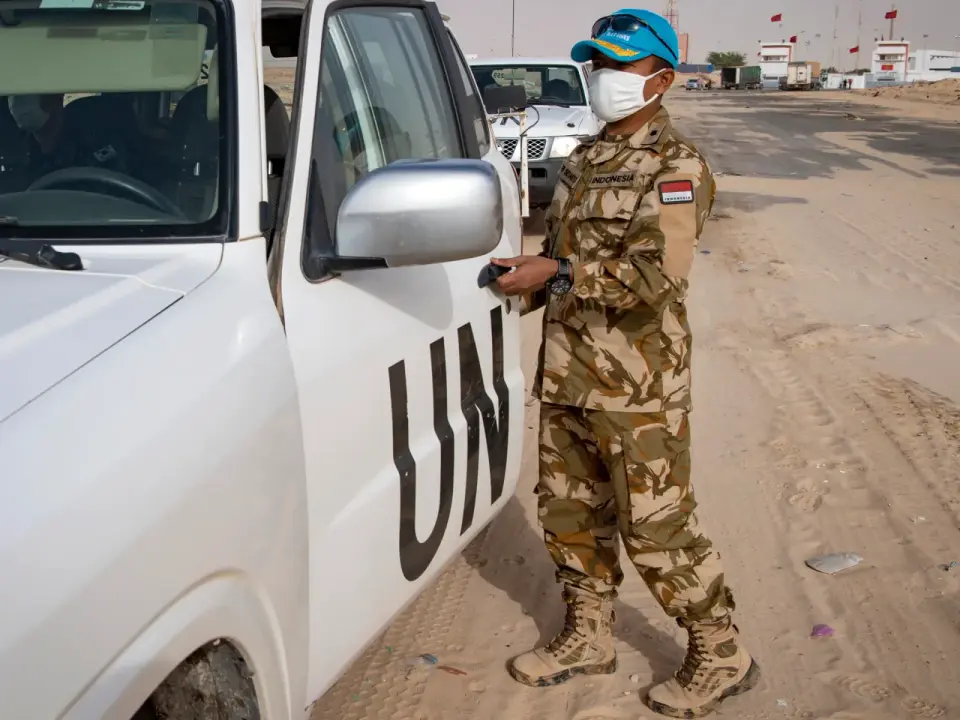
The UN peacekeeping mission MINURSO ended operations on November 1, 2026, after the Security Council failed to renew its mandate due to a US-Russia veto standoff. Secretary-General Antonio Guterres warned of escalation risks, while Morocco celebrated the outcome and Algeria and the Polisario Front condemned it as biased.
Key points
- UN Secretary-General Antonio Guterres confirmed the end of MINURSO on November 1, 2026, marking the start of the 'liquidation phase' where assets are returned to troop-contributing countries.
- The UN Security Council failed to renew the mandate after Russia vetoed a US-drafted resolution supporting Morocco's sovereignty and ending the mission by April 2027, while a Russian counter-draft to extend the mission also failed to secure nine votes.
- Morocco's royal palace welcomed the non-renewal as a 'significant development' withdrawing the issue from UNSC consideration, while Algeria and the Polisario Front expressed 'deep regret' and called the US draft 'excessively biased.'
- Guterres urged all parties to exercise 'maximum restraint' and warned of the risk of hostilities escalating, noting that the UN remains ready to support dialogue for a peaceful resolution.
- The mission, established in 1991 to monitor a ceasefire and prepare a referendum, had a 2026-2027 budget of over $62 million and 534 personnel, with Egypt, Ghana, and Pakistan as top military contributors.
Background
Western Sahara, a mineral-rich territory roughly the size of Colorado, has been a disputed region since Spain withdrew in 1975. Morocco claims it as its southern provinces, while the Algeria-backed Polisario Front seeks independence for the Sahrawi people. A UN-brokered ceasefire in 1991 led to the creation of MINURSO to prepare a referendum, which never occurred due to disagreements over voter eligibility. The conflict has claimed over 16,000 lives since 1975, and the Polisario withdrew from the ceasefire in 2020 after clashes.
How outlets are covering it
The US and Morocco viewed the mission's end as a positive step toward resolving the 50-year conflict, with US Ambassador Mike Waltz calling the Russian veto 'unfortunate' and Morocco's royal palace calling it a 'significant development' that suspends the UN political process. Conversely, Russia, Algeria, and the Polisario Front condemned the outcome as biased, with Russia's ambassador Vassily Nebenzia arguing the US draft favored one side and Algeria's foreign ministry blaming 'excessive bias' by the US. The Polisario Front's UN representative Sidi Omar thanked Russia for vetoing the US resolution, stating it would have undermined the Sahrawi people's right to self-determination.
Why it matters
The end of MINURSO removes a key international monitor from a region with low-intensity hostilities and tensions, raising concerns about escalation between Morocco and Algeria, which severed diplomatic relations in 2021. The deadlock also highlights the deepening US-Russia divide at the UN, with the US supporting Morocco's autonomy plan and Russia favoring a referendum that includes independence as an option.
What to watch
The UN will oversee the 'liquidation phase' of MINURSO, transporting assets back to troop-contributing countries. Guterres has urged all parties to exercise 'maximum restraint' and stated the UN is ready to support efforts to advance dialogue and pursue a peaceful resolution. The future of the dispute remains uncertain, with Morocco pushing for sovereignty and the Polisario Front seeking independence.
- UN warns of security risks in Western Sahara as peacekeeping mission ends Al Jazeera
- UN peacekeeping mission in Western Sahara ends after 35 years, UN chief says Reuters
- UN's peacekeeping mission in disputed Western Sahara ends after 35 years NPR
- Why is Morocco celebrating the defeat of a UN resolution on Western Sahara? Al Jazeera
- Rival US and Russia resolutions on disputed Western Sahara are defeated in UN Security Council AP News
Want the full story? Read the original reporting
Read on Al Jazeera