
UN Expert Warns Israel's Rubble Clearance in Gaza Risks Erasing War Crimes Evidence
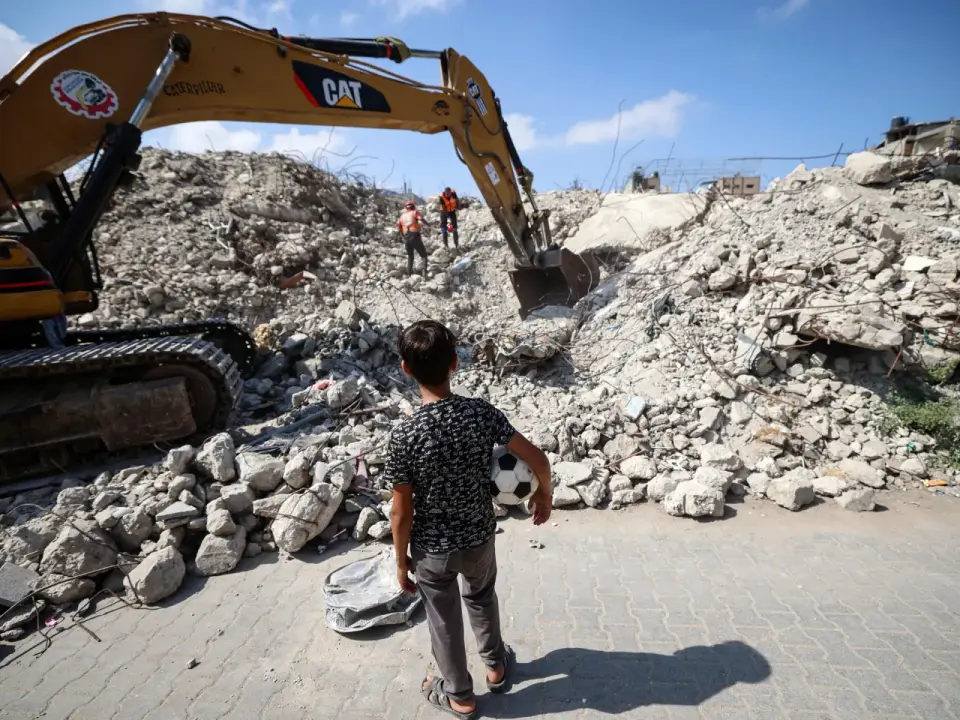
UN special rapporteur Francesca Albanese warned that Israel's removal of millions of tons of rubble in Gaza could destroy evidence of war crimes and prevent the recovery of thousands of missing bodies. Albanese stated that states or companies involved in clearing debris could face international criminal responsibility for destroying evidence, citing a 2024 International Court of Justice order requiring Israel to preserve such materials. While the Israeli military conducted a major operation in August to crush and transport debris, including from cemeteries, Palestinian authorities estimate over 8,000 people remain buried. Hamas accused Israel of attempting to obliterate evidence of genocide, urging international bodies to intervene. The clearance process, which may take seven years, is hampered by Israel's blockage of heavy machinery and forensic supplies needed for recovery.
Key points
- UN special rapporteur Francesca Albanese warned that clearing Gaza rubble could destroy evidence of war crimes and violate international law.
- Albanese stated that entities removing debris could incur international criminal responsibility for destroying evidence, referencing a 2024 ICJ order.
- The war generated approximately 61 million tons of debris, which could take seven years to clear, according to UN estimates.
- Israeli military operations in August involved crushing and transporting millions of tons of rubble, including from sites with human remains.
- Palestinian authorities estimate more than 8,000 people remain buried under debris, with recovery efforts stalled due to lack of equipment.
- Hamas accused Israel of attempting to obliterate evidence of genocide and urged international organizations to protect crime scenes.
Background
This development follows recent efforts to recover remains from Gaza, including the burial of 100 victims, including 60 children, in Gaza City in early September. Previous coverage highlighted the severe delays in recovery operations due to a lack of heavy machinery and protective gear, with some families waiting nearly three years for the return of their loved ones. The current dispute over rubble clearance adds to ongoing tensions regarding accountability for the war, which began after the October 7, 2023, Hamas attacks and has resulted in over 73,000 Palestinian deaths according to local health authorities.
How outlets are covering it
Al Jazeera and The Jerusalem Post both report on Albanese's warning that clearing rubble could destroy evidence, with The Jerusalem Post noting that Albanese is a vocal critic of Israel who has faced sanctions from the US and condemnation from European nations. Middle East Eye and Bastille Post focus on Hamas's accusation that Israel is deliberately trying to obliterate evidence of genocide. While Albanese emphasizes the legal implications for those clearing the rubble, Hamas frames the issue as a violation of the dignity of the dead and a breach of the ICJ's ruling. The sources differ in emphasis: Al Jazeera highlights the potential for international criminal responsibility, while The Jerusalem Post notes the lack of response from Israeli officials and the political context of Albanese's credibility. All sources agree on the scale of the debris and the ongoing blockage of recovery equipment.
Why it matters
The removal of rubble in Gaza raises critical questions about accountability and the preservation of evidence for potential war crimes trials. If evidence is destroyed, it could hinder future legal proceedings and the ability of families to recover their loved ones. The international community's response to this issue will influence the trajectory of justice and reconstruction in Gaza, as well as the broader narrative of the conflict. The blockage of recovery equipment further exacerbates the humanitarian crisis, leaving thousands of families without closure.
What to watch
International organizations may pressure Israel to halt or regulate the rubble clearance process to preserve evidence. The UN and other bodies could deploy forensic experts to oversee recovery efforts and document crime scenes. Israel may continue to block heavy machinery and forensic supplies, prolonging the recovery process. The ICJ may monitor compliance with its 2024 order to preserve evidence. The situation could lead to further diplomatic tensions between Israel and countries that support Albanese's stance, as well as potential legal challenges in international courts.
- Israel’s removal of Gaza rubble risk to war crimes evidence: UN Al Jazeera
- Israeli clearance of Gaza rubble could destroy 'evidence', says UN expert Reuters
- Israeli clearance of Gaza rubble could destroy 'evidence,' says UN's Francesca Albanese The Jerusalem Post
- Hamas accuses Israel of attempts at 'obliterating evidence' of crimes in Gaza Middle East Eye
- Israel clearing Gaza rubble to destroy evidence of war crimes: Hamas bastillepost.com
Want the full story? Read the original reporting
Read on Al Jazeera