
West Bank Olive Harvest Turns Deadly as Settler Violence Surges Ahead of Elections
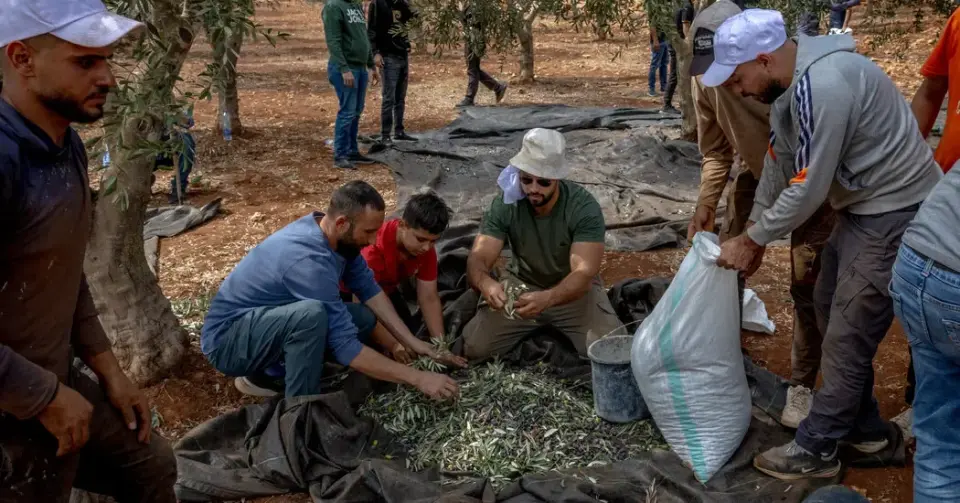
The 2026 olive harvest in the West Bank has become the most violent in recent history, with at least four Palestinians killed and hundreds of incidents of settler violence reported. Israeli settlers have attacked farmers, journalists, and diplomats, often with apparent military complicity. While Israeli police arrested ten suspects after high-profile assaults, critics argue the government’s far-right coalition is enabling the violence to consolidate control over the territory ahead of upcoming elections.
Key points
- At least four Palestinians have been killed during the 2026 olive harvest, including security captain Ali Al-Bazari, who died after being shot by settlers on October 7.
- Washington Post photojournalist Heidi Levine was severely beaten by masked settlers, suffering broken vertebrae and ribs, an incident that drew international condemnation.
- Israeli rights group Yesh Din has documented over 530 incidents of settler and soldier violence since the harvest began in late September, with many occurring in the presence of Israeli troops.
- Israeli police arrested ten suspects following the attacks on Levine and European diplomats, but prosecutors rarely pursue settler violence cases.
- Prime Minister Benjamin Netanyahu’s government has faced criticism for allowing settler expansion, with over 180 new outposts established since 2023, while he faces a tight election race on October 27.
Background
The olive harvest is a critical economic and cultural tradition for Palestinians, with approximately 100,000 families relying on the revenue. Previous archive coverage from October 2026 highlighted a similar surge in violence, including the beating of Levine and the burning of homes in Jalud, indicating a sustained escalation in settler aggression. The current violence is part of a broader trend of settler expansion in the West Bank following the 2023 Hamas-led attacks, which intensified Israeli military presence and settler activity in the region.
How outlets are covering it
The New York Times emphasizes the systematic nature of the violence, describing how settlers use high ground to ambush farmers and how Israeli soldiers often stand by or even detain Palestinians while settlers attack. CNN focuses on the personal impact on journalist Heidi Levine, who stated the attack strengthened her resolve to cover the conflict, and highlights the lack of justice for Palestinian victims. NBC News reports on the police arrests of ten suspects, noting the involvement of the Shin Bet and the rarity of such prosecutions. AP News frames the violence as a tool for Netanyahu’s government to consolidate control, citing the expansion of unauthorized outposts and the government’s denial of ethnic cleansing allegations. The outlets differ in their emphasis: The Times and AP focus on the structural and political dimensions, while CNN and NBC highlight specific incidents and the response from Israeli authorities.
Why it matters
The violence during the olive harvest underscores the deepening crisis in the West Bank, where settler expansion and military complicity are displacing Palestinian communities. The attacks on journalists and diplomats have drawn international scrutiny, but the lack of accountability for settler violence suggests a pattern of impunity. As Israel approaches its October 27 elections, the government’s handling of the crisis may influence its political future and the broader peace process.
What to watch
The olive harvest is expected to continue through mid-November, with potential for further violence as settlers and soldiers maintain their presence. The outcome of the October 27 elections will determine whether Netanyahu’s government, which has supported settler expansion, remains in power. International pressure may increase if more high-profile attacks occur, but the rarity of prosecutions suggests limited immediate consequences for perpetrators.
- Israeli Settlers Turn a Palestinian Rite Into a Gantlet of Violence and Fear The New York Times
- Washington Post journalist says attack by Israeli West Bank settlers has only ‘strengthened’ her resolve CNN
- Israel police arrest 10 over settler attacks on U.S. journalist, European diplomats NBC News
- Emboldened Israeli settlers lead a surge of attacks on Palestinians’ olive harvest AP News
- Why many Israelis are silent on West Bank violence even as it escalates The Forward
Want the full story? Read the original reporting
Read on The New York Times