
Ghalibaf admits Tehran scrambled to control streets after Khamenei's death was leaked
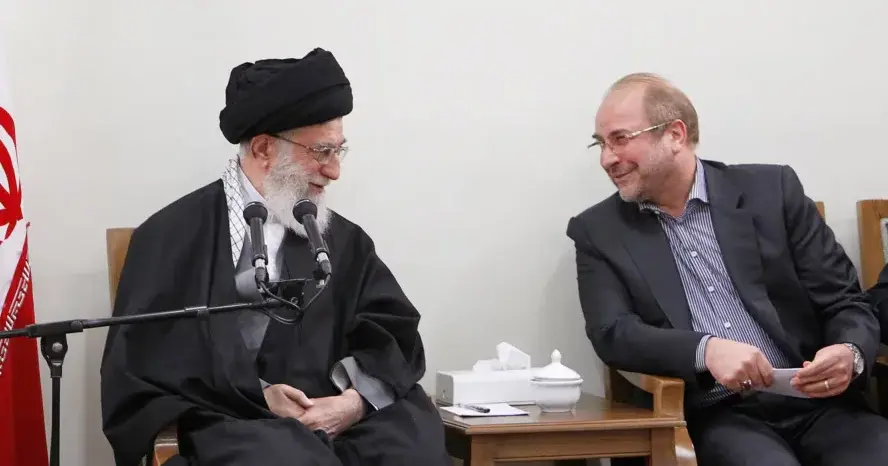
Iranian parliament speaker Mohammad Bagher Ghalibaf revealed that authorities rushed to announce the death of Supreme Leader Ali Khamenei and mobilize supporters after overseas media broke the news, fearing street unrest. This disclosure highlights the fragility of the regime's control during the ongoing US-Iran war, which has now claimed 17 US service members and resulted in widespread strikes on Iranian infrastructure.
Key points
- Ghalibaf stated that officials initially planned to announce Khamenei's death at 8 a.m. but changed the plan after 'overseas media' reported it at 12:30 a.m., fearing the streets would 'take a completely different turn.'
- The US military confirmed 17 service members killed since the war began, including three in Kuwait and one in Iraq, while Iran reported 50 killed and 517 wounded in recent US strikes.
- Iran has suspended its commitments to an interim peace deal, accusing the US of violations, while the US has reimposed a naval blockade on Iranian ports to pressure Tehran regarding the Strait of Hormuz.
- Israeli military warned that Iranian missiles launched toward Jordan could spill over into Israeli territory, marking the first air-raid sirens in weeks for Israel.
- Iranian authorities have faced internal pressure, with hardline demonstrators turning against Ghalibaf over negotiations with Washington, echoing earlier unrest at Khamenei's funeral.
Background
The conflict began on February 28, 2026, with US and Israeli strikes that killed Supreme Leader Ali Khamenei and other high-ranking officials. His son, Mojtaba Khamenei, succeeded him but has remained largely hidden from public view. Prior to the current escalation, an interim deal was established to end the fighting, but it has since crumbled. The war has drawn in neighboring countries, with Iran targeting US-allied states in the Gulf, including Bahrain, the UAE, and Jordan, while the US has targeted Iranian military and civilian infrastructure, including bridges and desalination plants.
How outlets are covering it
Iran International and Al Arabiya English focus on the internal political dynamics, highlighting Ghalibaf's admission that the regime feared losing control of the streets after the news of Khamenei's death was leaked by overseas media. They emphasize the regime's reliance on mobilizing supporters to maintain stability. In contrast, KTAR News and Yahoo focus on the military dimensions of the conflict, detailing US casualties, the expansion of the war into neighboring countries, and the strategic importance of the Strait of Hormuz. While Iran International notes internal rifts between hardliners and moderates, the US-focused outlets highlight the broader regional spillover and the collapse of the interim peace deal.
Why it matters
The disclosure by Ghalibaf underscores the fragility of the Iranian regime's control and the potential for internal instability, which could further complicate the ongoing conflict. The expansion of the war into neighboring countries and the collapse of the interim peace deal suggest that the conflict is far from over, with significant implications for regional stability and global oil supplies. The US naval blockade and Iran's suspension of its commitments to the peace deal indicate a high risk of further escalation, potentially leading to a broader regional war.
What to watch
The US and Iran are likely to continue their military exchanges, with the US targeting Iranian infrastructure to pressure Tehran and Iran retaliating against US-allied states. The collapse of the interim peace deal suggests that negotiations are unlikely to resume in the near term, and the conflict may continue to escalate. The internal political dynamics in Iran, including the rift between hardliners and moderates, could further complicate the situation, potentially leading to more instability and unrest.
- Ghalibaf reveals Tehran feared street unrest after Iran International broke Khamenei news Iran International
- US military says 3 service members killed in Iran operation KTAR News 92.3 FM
- Iran’s Ghalibaf reveals details from the first hours after Khamenei’s killing Al Arabiya English
- US Announces Another Troop Death as Israel Warns Tehran's Attacks Are Coming Close Yahoo
- 01-2026-05-20t234202z-1495256500-rc2bwja16trb-rtrmadp-3-iran-crisis-usa_jpg Egypt Independent
Want the full story? Read the original reporting
Read on Iran International