
Danish Supreme Court to decide if 'non-Western' housing criteria constitute racial discrimination
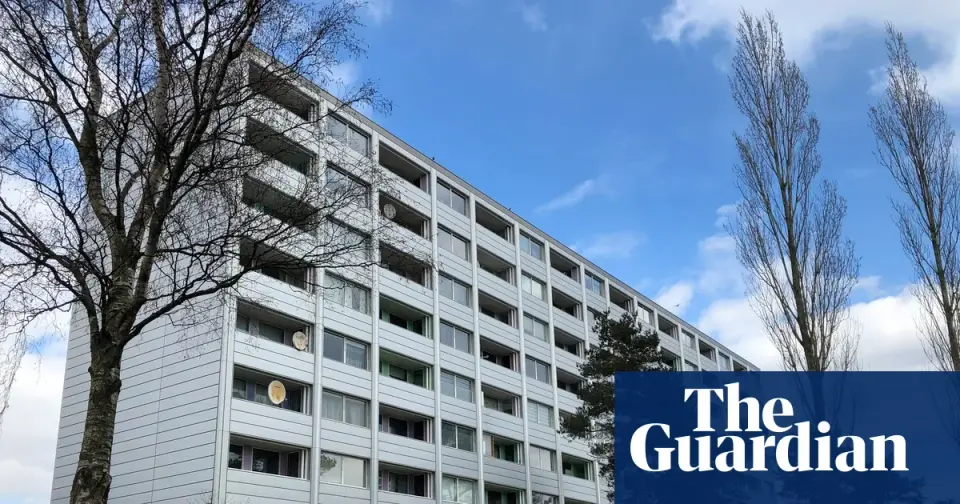
Denmark’s Supreme Court is set to rule on whether the state’s use of the 'non-Western' classification in housing policy violates racial discrimination laws. The case stems from the eviction of seven families from the Nøjsomhed-Sydvej estate in Helsingør, whose leases were terminated in 2022 under legislation previously known as the 'ghetto law.' This ruling could determine if the government must abolish the categorization entirely, which affects approximately 11,000 residents facing displacement by 2030. While the European Court of Justice suggested the law may be discriminatory, Danish lower courts have ruled the term is not ethnic. A decision is expected later this month, potentially forcing the government to re-evaluate its approach to 'parallel societies' and integration policies.
Key points
- The Supreme Court will hear arguments from seven families evicted from Nøjsomhed-Sydvej in Helsingør, challenging the legality of the 'non-Western' classification.
- The 2018 law, now called the 'parallel societies' legislation, requires housing associations to reduce non-profit housing by 40% by 2030 in areas where over 50% of residents are 'non-Western.'
- The European Court of Justice ruled in December 2025 that the law may be unlawful, stating that neutral criteria can still be linked to ethnicity if they disproportionately affect specific groups.
- Danish lower courts previously ruled in favor of the landlord, stating that 'non-Western' does not define a single ethnic group and thus does not violate the Equal Treatment Act.
- If the Supreme Court rules in favor of the plaintiffs, the government may be forced to abolish the 'non-Western' category, which is used across various laws and administrative practices.
- Approximately 11,000 people across Denmark are expected to be displaced by 2030 to comply with the housing reduction targets in designated 'transformation areas.'
Background
This case follows the December 2025 ruling by the European Court of Justice, which indicated that Denmark’s housing legislation might violate EU anti-discrimination norms. The 'ghetto law' was introduced in 2018 as part of a broader strategy to combat segregation in disadvantaged neighborhoods. Previous coverage has highlighted the ongoing debate over the definition of 'non-Western,' which includes descendants of immigrants and citizens born in Denmark if neither parent is a Danish citizen born in the country. The current legal challenge is part of a broader series of disputes, including the Mjølnerparken case in Copenhagen, where residents have sued since 2020. The government has maintained that the policy aims to promote integration and reduce social fragmentation, while critics argue it targets ethnic minorities without addressing socioeconomic factors like unemployment or crime in other areas.
How outlets are covering it
The Guardian and Mezha.net emphasize the potential for the Supreme Court ruling to force the Danish state to abolish the 'non-Western' categorization entirely, citing concerns from the UN Committee on the Elimination of Racial Discrimination and Amnesty International. Al Jazeera provides a detailed breakdown of the 'non-Western' definition, noting that it covers most of the world outside the EU and specific exceptions, and highlights the government's claim that the law is aimed at integration. France 24 focuses on the legal argument that the criterion is not neutral, quoting the plaintiffs' lawyer Eddie Khawaja. The sources generally agree that the European Court of Justice has cast doubt on the law's legality, but they differ in emphasis: some focus on the immediate impact on the seven families in Helsingør, while others highlight the broader societal ramifications and the political support for the law among the current coalition, including the Green Left party.
Why it matters
The outcome of this case will determine whether Denmark’s use of the 'non-Western' classification in housing and other policies is considered racial discrimination under domestic and EU law. A ruling in favor of the plaintiffs could lead to the abolition of the category, affecting thousands of residents and potentially reshaping integration policies. It also sets a precedent for other cases, such as the Mjølnerparken dispute, and may influence how the government addresses socioeconomic issues in disadvantaged neighborhoods without relying on ethnic or national origin criteria.
What to watch
The Supreme Court is expected to deliver its verdict later this month. If the families win, they will likely be allowed to return to their homes or be rehoused in similar accommodation. The ruling will also impact the Mjølnerparken case, which is still before the Eastern High Court. The government has stated that authorities must continue applying the law until the final domestic ruling is made. Legal experts suggest that a favorable ruling could force the Danish state to reconsider its use of the 'non-Western' category across various laws and administrative practices.
- Denmark’s top court to rule on ‘parallel societies’ after ‘non-western’ people evicted The Guardian
- Why is Denmark separating ‘Western’ and ‘non-Western’ citizens? Al Jazeera
- Denmark's 'hard ghettos' row reaches Supreme Court France 24
- Denmark’s Supreme Court to consider whether ‘non-western’ classification falls under discrimination law Mezha.net
Want the full story? Read the original reporting
Read on The Guardian