
Second anonymous celebrity secures gag order as Walliams case highlights UK legal limits
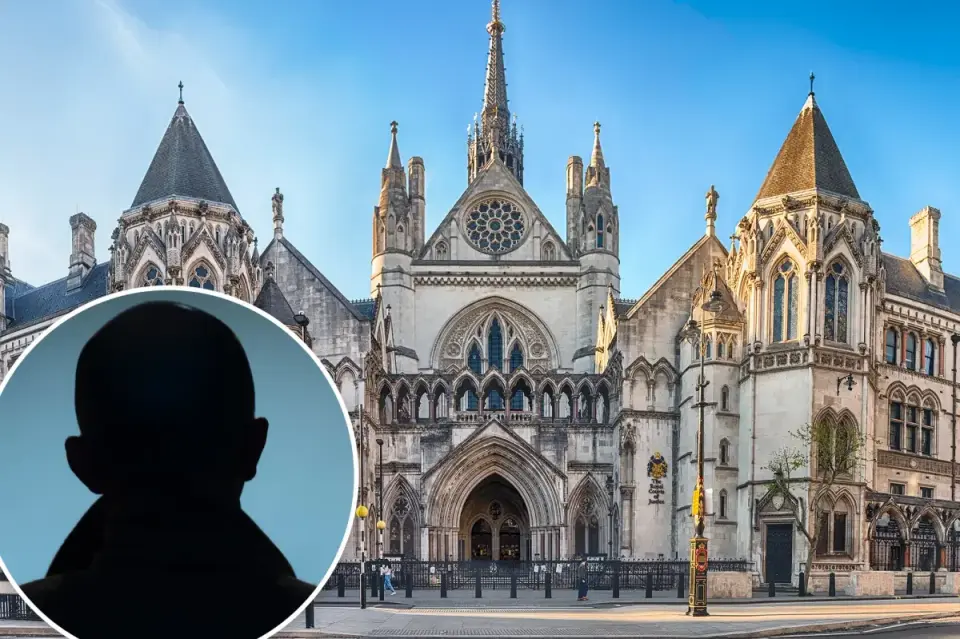
A second unidentified celebrity has successfully secured a gag order to remain anonymous amid allegations from multiple victims, according to journalist Justine Smith. This contrasts with David Walliams, whose bid for anonymity was rejected by the UK High Court, leading to his public identification and the publication of sexual misconduct allegations. While Walliams failed to appeal the ruling, the second individual’s case remains sealed, raising concerns about accountability for public figures facing similar accusations.
Key points
- Justine Smith stated on the 'Private Eye' podcast that a second celebrity, distinct from David Walliams, has been granted a gag order to conceal their identity.
- Smith alleged this second individual has targeted 'multiple, multiple victims' but did not specify the nature of the crimes or the person's identity.
- David Walliams was named after his appeal deadline passed, allowing The Guardian and ITN to publish allegations of grooming and sexual misconduct.
- Walliams denied being a 'sexual predator' but admitted regret over past behavior, while his legal team denied allegations of workplace harassment.
- The High Court rejected Walliams' argument that publication would cause suicide, ruling that the state's duty to protect life lies with health services, not the courts.
Background
This development follows the October 2026 legal battle involving David Walliams, who sought to remain anonymous in court proceedings referred to as 'PPT.' The case highlighted the tension between press freedom and privacy rights in the UK. Earlier in 2025, Walliams was dropped by HarperCollins following an internal investigation into his behavior toward young female staff. The current situation mirrors broader concerns about how courts handle anonymity requests for public figures facing serious allegations, as seen in other high-profile cases involving celebrities and legal injunctions.
How outlets are covering it
Page Six and The Guardian emphasize the successful concealment of the second celebrity’s identity, contrasting it with Walliams' exposure. BBC and Deadline focus on the legal reasoning behind Walliams' loss, noting that the court prioritized press freedom and the public interest over the claimant's mental health risks. Justine Smith, via Page Six, criticizes the gag order as preventing necessary reporting on potential abuse, while legal analysts in BBC and The Guardian note the unprecedented nature of using suicide risk to block publication. All sources agree that Walliams' failure to appeal led to his identification, but they differ in tone regarding the implications for future cases involving anonymous defendants.
Why it matters
The granting of a gag order to a second celebrity raises significant questions about transparency and accountability in the UK legal system. It suggests that while some public figures may be forced into the spotlight, others can remain hidden despite facing serious allegations. This disparity could impact public trust in the justice system and the ability of media to report on misconduct by influential individuals. The case also underscores the challenges of enforcing anonymity in the digital age, where social media speculation can bypass legal restrictions.
What to watch
The identity of the second celebrity remains unknown due to the gag order, and no further details are expected unless the order is overturned. For David Walliams, the publication of allegations may lead to further legal or professional consequences, though he has denied criminal conduct. Legal experts may continue to debate the boundaries of press freedom versus privacy rights in cases involving mental health risks. The media will likely monitor for any changes in the second case or new developments in Walliams' situation.
- Second mystery celebrity accused of targeting ‘multiple victims’ granted gag order to conceal identity: report Page Six
- Why David Walliams' unprecedented legal battle to stay anonymous failed BBC
- ITV News & Guardian Closer To Publishing Allegations About UK Star Deadline
- What are the key legal issues surrounding the David Walliams case? The Guardian
- Celebrity facing sexual allegations can be named after failing to appeal The Times
Want the full story? Read the original reporting
Read on Page Six