
High Court weighs suicide risk against public interest in unnamed celebrity's injunction bid
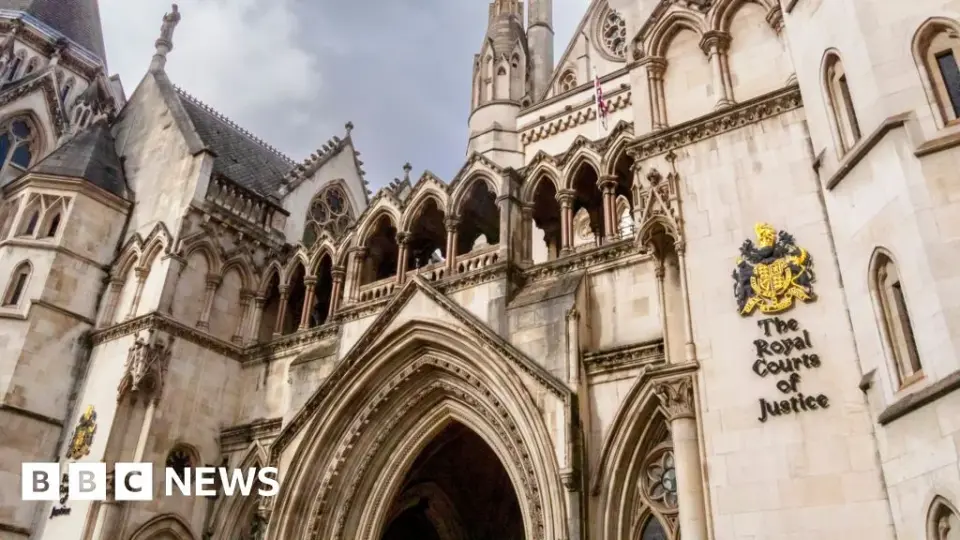
An unnamed celebrity, referred to in court as PPT, is seeking a permanent injunction to prevent ITN and Guardian News and Media from publishing allegations that he abused his status to engage in inappropriate sexual activities with girls and young women. A two-day trial at the High Court in London is currently underway. PPT's legal team argues that publication would likely lead to his suicide, citing two recent attempts and severe mental health issues. The media outlets counter that the allegations involve over 100 sources and represent significant public interest. Mr Justice Nicklin has warned the public against speculating on PPT's identity, emphasizing that the court will determine the case based on evidence and legal submissions, not online rumors.
Key points
- PPT is seeking an injunction to block publication of allegations that he used his celebrity status to engage in inappropriate sexual activities with young women and girls.
- PPT's legal team argues that publication would 'highly likely' lead to his suicide, citing two recent attempts and severe mental health problems.
- ITN and Guardian News and Media argue that the allegations involve over 100 sources and represent significant public interest, and that the suicide risk can be mitigated through inpatient treatment.
- Mr Justice Nicklin has warned the public against speculating on PPT's identity, emphasizing that the court will determine the case based on evidence and legal submissions.
- The trial is expected to continue, with the media outlets setting out their case on Wednesday.
Background
This case follows a series of high-profile trials involving public figures accused of sexual misconduct, including Russell Brand, who is currently facing charges for alleged sexual offenses against six women between 1999 and 2009. Brand's trial has highlighted the complexities of media coverage and public interest in such cases, with the court emphasizing the importance of fair and evidence-based proceedings.
How outlets are covering it
BBC and The Guardian report on the legal proceedings, highlighting the arguments from both sides. The Independent focuses on the judge's warning against public speculation, emphasizing the importance of respecting reporting restrictions. The Telegraph's source is inaccessible, so no perspective can be drawn from it. All sources agree on the key facts of the case, but differ in their emphasis: BBC and The Guardian focus on the legal arguments and the suicide risk, while The Independent focuses on the judge's warning and the importance of respecting reporting restrictions.
Why it matters
This case highlights the tension between the right to life and the public interest in journalism. It raises important questions about the role of the state in protecting individuals from the potential consequences of media coverage, and the limits of journalistic freedom. The outcome of this case could have significant implications for future media coverage of similar allegations.
What to watch
The trial is expected to continue, with the media outlets setting out their case on Wednesday. The court will determine whether to grant the injunction, based on the evidence and legal submissions. The outcome of this case could have significant implications for future media coverage of similar allegations.
- Unnamed celebrity accused of 'inappropriate sexual activities', court hears BBC
- ‘Well-known’ public figure in bid to stop publication of allegations of inappropriate sexual activities The Guardian
- ‘Well-known man’ seeking press gag faces multiple sex offence allegations, court told The Telegraph
- 'Famous' celeb 'abused power to carry out sexual activities on multiple women' The Sun
- Judge issues warning over ‘well-known’ man in injunction case The Independent
Want the full story? Read the original reporting
Read on BBC