
UK Judge Rejects Celebrity's Injunction but Maintains Anonymity Pending Appeal
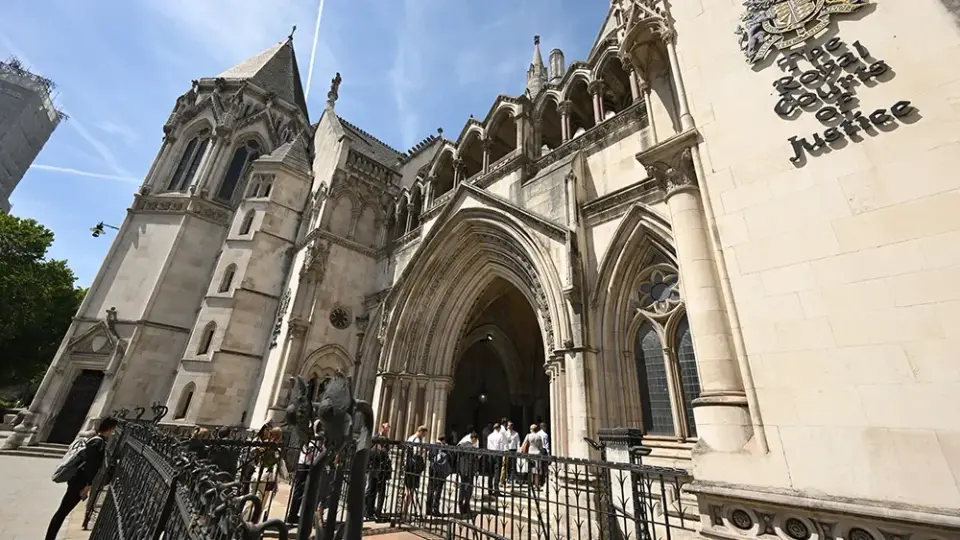
A UK judge has dismissed a celebrity's bid for a permanent injunction against The Guardian and ITN, ruling that the public interest in publishing sexual misconduct allegations outweighs the claimant's suicide risk. However, a temporary injunction remains in place to allow the individual to appeal, meaning his identity and the specific allegations will not be published immediately. The ruling highlights a tension between press freedom and the legal protection of individuals facing severe mental health crises.
Key points
- Mr Justice Nicklin dismissed the permanent injunction request, stating the claimant's claim was rejected, but maintained a temporary ban on publication to allow for an appeal.
- The Guardian and ITN argued that their four-year investigation, involving over 100 sources and 30 first-hand accounts, served a strong public interest in exposing alleged sexual exploitation of young women.
- The claimant's legal team argued that publication would likely lead to suicide, citing two prior attempts, months of hospitalization, and involuntary detention, with support from more than 10 doctors.
- A medical report for the court noted that inpatient treatment could mitigate the suicide risk, though not completely, suggesting the risk was manageable through medical intervention rather than legal suppression.
- The ruling does not determine the truth of the allegations, but the dismissal of the injunction suggests the court found the press freedom argument compelling in the long term.
Background
This case follows earlier coverage in October 2026, where the same unnamed celebrity, referred to as PPT, was in the High Court fighting to block The Guardian and ITN from publishing allegations of sexual misconduct. Previous reports noted that the judge had concluded the trial and was preparing a ruling, emphasizing the need to avoid public speculation on the individual's identity. The current ruling resolves that pending decision, though the temporary injunction keeps the identity hidden for now.
How outlets are covering it
The Guardian and ITN, represented by Gavin Millar KC, emphasized the 'strong' public interest in publishing the allegations, noting that many women had suffered mental health crises due to the claimant's alleged conduct. They argued that upholding the injunction would require state intervention in lawful journalism to prevent an autonomous act by the claimant. Conversely, the claimant's lawyer, Sara Mansoori KC, argued that the suicide risk was genuine and not spurious, highlighting the individual's history of attempts and hospitalization. Defamation lawyer Paul Tweed noted that while such injunctions are rare, a genuine suicide risk is a valid ground, but warned that the 'Streisand Effect' could backfire, as social media speculation had already drawn attention to the case. The court ultimately balanced these views, rejecting the permanent ban but allowing a temporary one to facilitate the appeal process.
Why it matters
This ruling sets a significant precedent for UK media law, clarifying that while suicide risk is a valid consideration for injunctions, it may not be sufficient to permanently block publication if there is a strong public interest. It underscores the limits of 'super-injunctions' in the digital age, where suppression efforts often amplify public curiosity. The case also highlights the ongoing debate in the UK about press freedom versus the protection of individuals facing severe mental health challenges, potentially influencing future cases involving high-profile figures accused of misconduct.
What to watch
The celebrity will now have the opportunity to appeal the judgment, during which the temporary injunction will remain in force, keeping his identity and the specific allegations unpublished. The outcome of the appeal will determine whether The Guardian and ITN can proceed with publishing their investigation. Legal experts will be watching to see if the appeal challenges the court's balancing of press freedom and suicide risk, potentially setting further precedents for media law in the UK.
- Can Abuse Allegations Against a Celebrity Be Silenced Over Mental Health Claims? A Defamation Lawyer Explains the Unusual Case Gripping the U.K. Variety
- Celebrity accused of sex abuse loses battle to keep name secret The Telegraph
- Using suicide as a weapon is cheap and wrong The Times
- Celebrity loses injunction bid but will stay anonymous pending appeal BBC
- 'Well-known' star who says he'd 'kill himself if sex claims shared' set to learn fate Daily Star
Want the full story? Read the original reporting
Read on Variety