
Mexico’s Day of the Dead: From Indigenous Rituals to Record-Setting Spectacles
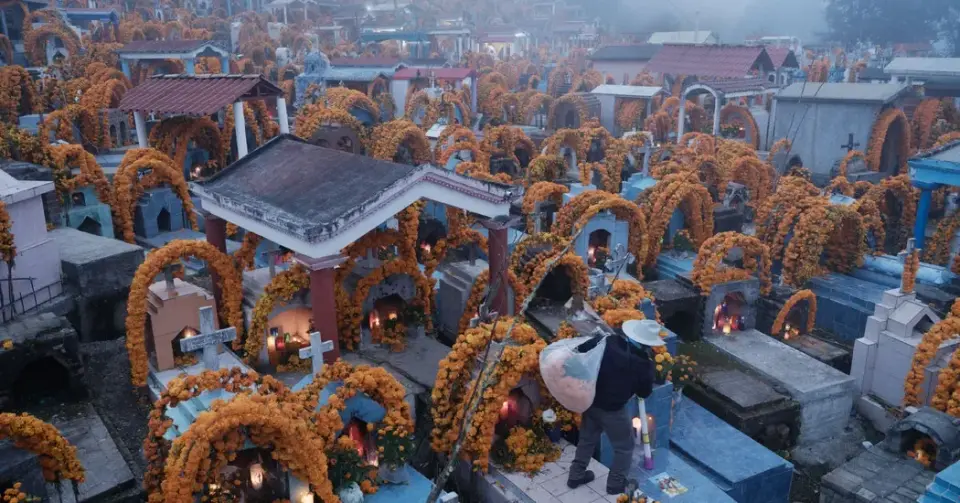
Mexico’s Day of the Dead celebrations span from remote Indigenous rituals in Metlatónoc to record-breaking public displays in Mexico City, while tourism pressures challenge intimate family traditions in San Andrés Mixquic.
Key points
- In Metlatónoc, Guerrero, the Na Savi Indigenous group held a 10-day celebration involving dances and processions to summon the souls of the dead, viewing death as a passage rather than an ending.
- Mexico City set a new Guinness World Record with a 33.4-meter-tall Catrina figure in the Zócalo, surpassing the previous 28.15-meter record from Puerto Vallarta, as part of a 'mega-ofrenda' inaugurated by Mayor Clara Brugada.
- In San Andrés Mixquic, near Mexico City, the influx of tourists has created overcrowding in cemeteries, with approximately 100,000 visitors in 2025 overwhelming a village of roughly 14,000 residents, raising concerns about the commodification of mourning.
- Elder Neil L. Andersen of The Church of Jesus Christ of Latter-day Saints praised the tradition as 'meaningful and beautiful,' emphasizing the eternal nature of family bonds and the importance of remembering ancestors.
Background
Day of the Dead is a traditional Mexican holiday observed on November 1 and 2, distinct from Halloween, focusing on honoring deceased loved ones through altars, cemeteries, and rituals. Recent years have seen increased international attention and tourism, leading to debates about preserving the authenticity of local traditions.
How outlets are covering it
The New York Times highlights the deep-rooted Indigenous beliefs in Metlatónoc, where the Na Savi people view death as a temporary separation, emphasizing spiritual continuity through 10-day rituals. Mexico News Daily focuses on the spectacle and record-breaking nature of the celebration in Mexico City, noting the cultural significance of the Catrina figure as a critique of vanity and classism. CNN provides a critical perspective on the impact of mass tourism in San Andrés Mixquic, where locals feel their private mourning rituals are being turned into a public spectacle due to overcrowding. The Church of Jesus Christ of Latter-day Saints offers a religious perspective, framing the holiday as a meaningful tradition that aligns with their beliefs about eternal family bonds and the afterlife.
Why it matters
The diversity of Day of the Dead celebrations across Mexico illustrates the tension between preserving ancient Indigenous traditions and accommodating modern tourism and public spectacle. The record-breaking displays in Mexico City showcase national pride and cultural marketing, while the overcrowding in San Andrés Mixquic highlights the challenges of balancing global interest with local intimacy. These dynamics reflect broader issues of cultural commodification and the need for sustainable tourism practices that respect the sacred nature of mourning rituals.
What to watch
Mexico City will continue to display its record-breaking Catrina and 'mega-ofrenda' until November 3, 2026. Authorities in San Andrés Mixquic are expected to implement stricter measures to manage tourist flow and protect family privacy in cemeteries. The Church of Jesus Christ of Latter-day Saints will continue its 'They deserve to be remembered' initiative throughout November, encouraging members to engage in genealogical research and temple ordinances for their ancestors.
- Celebrating Day of the Dead, High in Mexico’s Mountains The New York Times
- Mexico City unveils world’s tallest Catrina for Day of the Dead Mexico News Daily
- Elder Andersen Calls Mexico’s Day of the Dead ‘Meaningful and Beautiful’ newsroom.churchofjesuschrist.org
- On Day of the Dead, tourists bump shoulders with celebrating families in San Andrés Mixquic CNN
- Witness History | The first Day of the Dead parade BBC
Want the full story? Read the original reporting
Read on The New York Times