
UK High Court Rejects Celebrity's Bid to Block Sexual Misconduct Allegations
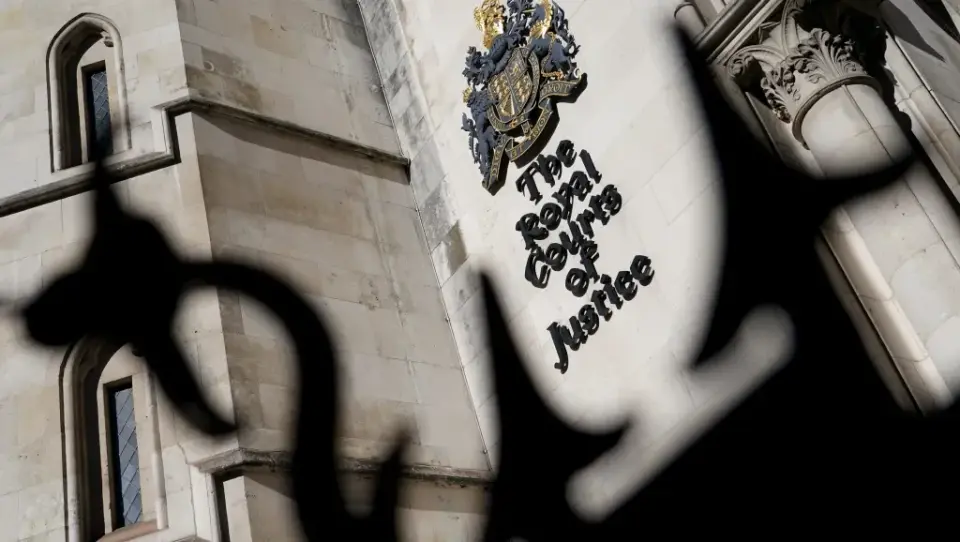
A well-known British man, referred to as PPT in court documents, lost his bid to prevent ITN and The Guardian from publishing allegations of sexual misconduct. Mr Justice Nicklin dismissed the injunction claim on Tuesday, ruling that the state’s duty to protect life is fulfilled by the psychiatric hospital where PPT is detained under the Mental Health Act 1983. Although the court did not determine the truth of the allegations, it allowed the media outlets to proceed. However, a temporary order preserving PPT’s anonymity remains in place to allow him time to appeal the decision. The case highlights a conflict between press freedom and the right to life, with PPT’s legal team arguing that publication would likely trigger a fatal suicide attempt, while the media argued the public interest in exposing alleged abuse outweighs this risk.
Key points
- Mr Justice Nicklin dismissed PPT’s claim for an injunction against ITN and The Guardian on Tuesday.
- The court ruled that the state’s responsibility to protect PPT’s life is met by his current detention in a psychiatric hospital under the Mental Health Act 1983.
- PPT’s legal team argued that publication would 'highly likely' lead to suicide, citing two previous attempts and deep-rooted childhood trauma.
- ITN and The Guardian argued that a 'wide-ranging and rigorous investigation' involving over 100 sources justified publication in the public interest.
- A temporary injunction preserving PPT’s anonymity remains in force to allow him to lodge an appeal with the Court of Appeal.
- The court explicitly stated that the dismissal of the claim does not constitute approval of the specific content the media may publish.
Background
This case follows a period of intense speculation in the UK regarding the identity of the unnamed celebrity. Earlier coverage in our archive does not directly relate to this specific legal dispute, but the broader context of media ethics and press freedom has been a recurring theme in recent legal battles. The current situation mirrors previous high-profile cases where public figures sought to suppress damaging information, though the specific legal arguments here center on the European Convention on Human Rights articles regarding the right to life and private life.
How outlets are covering it
The Guardian and BBC reported the core legal outcome, emphasizing the judge’s reasoning that the state’s health services, rather than the courts, bear the primary responsibility for protecting PPT’s life. Page Six highlighted the celebrity’s mental health struggles and the 'suicidal' nature of his defense, noting that his lawyers argued he has 'no intention of returning to public life.' Deadline focused on the procedural aspect, noting that while the injunction was denied, the anonymity order remains pending appeal. All sources agreed that the allegations involve 'inappropriate and exploitative sexual activities' with girls and young women, but differed in emphasis: The Guardian and BBC focused on the legal precedent regarding state duty of care, while Page Six and Deadline emphasized the personal toll and the 'trial by media' argument presented by PPT’s counsel. Gavin Millar, representing the media, argued that there is no precedent for preventing publication to avoid suicide risk, whereas Sara Mansoori KC, for PPT, argued that the risk was 'potentially fatal' due to shame and trauma, not guilt.
Why it matters
This ruling sets a significant precedent for the balance between press freedom and the right to life in the UK. It suggests that courts may defer to state health services to manage suicide risks rather than blocking publication, potentially impacting future cases involving public figures facing serious allegations. The outcome also underscores the rigorous standards media outlets must meet to publish sensitive allegations, as the court noted the 'wide-ranging and rigorous investigation' conducted by ITN and The Guardian. For the public, it raises questions about the limits of anonymity for celebrities accused of misconduct and the role of the state in protecting vulnerable individuals from the psychological impact of media exposure.
What to watch
PPT’s legal team will decide whether to appeal the decision to the Court of Appeal. If he appeals, the anonymity order will remain in place, preventing ITN and The Guardian from publishing his name or the specific allegations until the appeal is resolved. If no appeal is lodged, the media outlets may proceed with publication, though the court noted that the dismissal does not guarantee the accuracy or truth of the published content. PPT’s current detention in a psychiatric hospital will continue, with medical staff monitoring his mental health and risk of self-harm.
- British Star Loses Bid To Stop ITN & Guardian Publishing Sexual Misconduct Allegations Deadline
- ‘Well-known individual’ fails in bid for injunction against Guardian and ITN The Guardian
- ‘Suicidal’ celeb accused of sexual misconduct denied bid to hide identity Page Six
- Celebrity loses injunction bid but will stay anonymous pending appeal BBC
- British Celebrity Loses Legal Bid to Prevent Publication of Identity and Sexual Misconduct Allegations The Hollywood Reporter
Want the full story? Read the original reporting
Read on Deadline