
Rio Tinto to spend A$28m on 'kill zone' to halt cane toad invasion of Pilbara
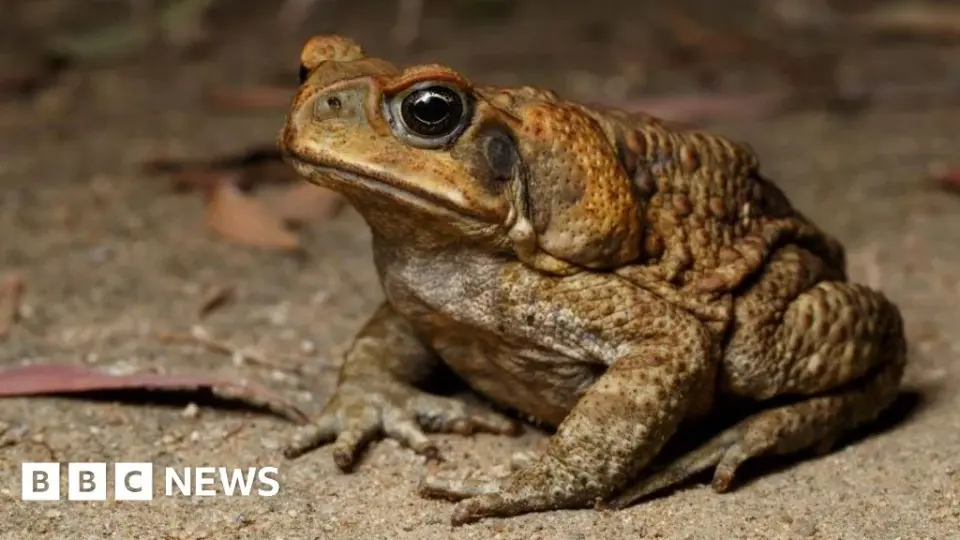
Rio Tinto and partners will invest A$28 million over five years to create a 7,500-square-kilometer containment zone in Western Australia, aiming to stop poisonous cane toads from reaching the iron ore-rich Pilbara region by cutting off their access to artificial water sources.
Key points
- Rio Tinto and the Rhodes Ridge Joint Venture will fund a five-year project starting in 2027 to build a 'toad containment zone' between the Great Sandy Desert and the Indian Ocean.
- The strategy involves modifying approximately 685 water infrastructure items, including dams and storage tanks, across six pastoral stations to create a waterless barrier that prevents toads from surviving the dry season.
- Curtin University professor Ben Phillips warns that without intervention, cane toads could reach the Pilbara by 2045, threatening 25 native species, including the northern quoll and ghost bat.
- The initiative is framed as a business necessity for Rio Tinto, as the loss of biodiversity could complicate future mining approvals and increase environmental compliance costs in the region.
- The project involves collaboration with Indigenous traditional owners, pastoralists, and scientists, with early work already underway to design the barrier.
Background
Cane toads were introduced to Australia in 1935 to control beetles in sugarcane crops but have since spread across northern Australia, killing millions of native animals. Rio Tinto faces this challenge six years after international condemnation for destroying two sacred Aboriginal rock shelters in the Pilbara, an incident that led to the resignation of its former chief executive and a commitment to rebuild trust with Indigenous communities. The current project represents a shift from previous conservation efforts, focusing on environmental modification rather than direct animal control.
How outlets are covering it
While all sources agree on the A$28 million funding and the 7,500-square-kilometer scope, they differ in emphasis. The Financial Times highlights the economic rationale, noting that protecting biodiversity is crucial for Rio Tinto's future mining approvals and compliance costs. In contrast, ABC News and BBC focus heavily on the cultural and ecological impact, quoting Indigenous rangers and scientists who describe the toad invasion as a 'national tragedy' and a threat to traditional food sources. Mining.com provides the most technical detail, specifying that 685 water infrastructure items will be modified. There is a slight discrepancy in the timeline: BBC and Mining.com state the project begins in 2027, while ABC News suggests work is already underway with construction taking two to five years. All sources agree that the toads are on track to reach the Pilbara within two decades without action.
Why it matters
The project represents a significant shift in invasive species management, focusing on environmental modification rather than direct animal control. It highlights the growing intersection of corporate environmental responsibility and economic interests in Australia's mining sector, where biodiversity loss could directly impact operational viability. The success of this 'waterless barrier' could serve as a model for managing other invasive species globally, demonstrating how industry, science, and Indigenous communities can collaborate to address ecological threats.
What to watch
The five-year project is scheduled to begin in 2027, with early planning and design work already underway. The barrier will be constructed across six pastoral stations, with the goal of making all artificial water sources inaccessible to cane toads. Monitoring of native wildlife will continue throughout the construction phase to assess the impact of the barrier on the ecosystem. If successful, the project could provide a blueprint for similar containment efforts in other regions facing invasive species threats.
- Mining giant joins fight to stop killer toad march across Australia BBC
- Rio Tinto creates ‘kill zone’ to halt cane toad invasion Financial Times
- Scientists hope $28m 'waterless barrier' will stop the spread of cane toads ABC News & Headlines – Australian Broadcasting Corporation
- Rio Tinto backs $20 million effort to stop Pilbara cane toads Mining.com
- Rio Tinto funds ‘kill zone’ for cane toads around Pilbara mine The Times
Want the full story? Read the original reporting
Read on BBC