
Chemical Analysis of Inca Mummies Reveals Diverse Drug Regimes Before Sacrifice
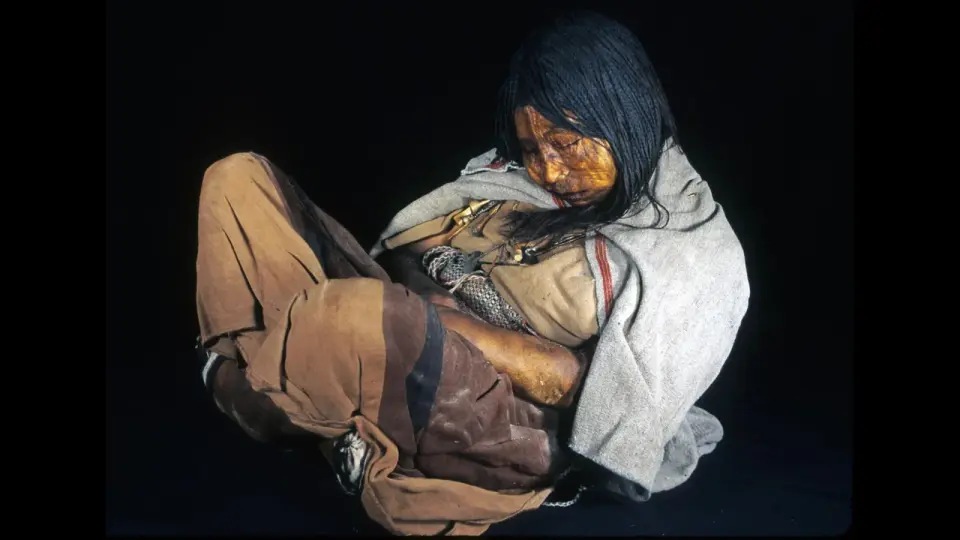
A new study analyzing hair and nail samples from eight Inca child mummies reveals that children sacrificed in the capacocha ritual were administered a complex mix of psychoactive substances, including cocaine, alcohol, and harmine, likely to ease physical strain and emotional distress rather than to induce hallucinations.
Key points
- Researchers from the University of Warsaw analyzed keratin-rich tissues from eight mummified children, aged 6 to 14, who died approximately 500 years ago during capacocha rituals in Peru, Argentina, and Chile.
- Cocaine and its metabolite benzoylecgonine were detected in all six hair samples tested, suggesting widespread coca leaf consumption to combat fatigue and hunger during long mountain journeys.
- Alcohol, likely in the form of chicha, was found in four mummies, while harmine, a compound associated with ayahuasca, was detected in the nails of three individuals, including the famous Ampato Maiden.
- The study found no traces of classic hallucinogens like mescaline or DMT, leading researchers to conclude the drugs were primarily medicinal or calming rather than intended to induce altered states of consciousness.
- Variations in chemical signatures across the mummies suggest that capacocha was not a uniform imperial standard but adapted to local religious traditions and specific mountain deities.
Background
Recent archaeological findings have expanded understanding of Inca sacrificial practices, including the discovery of buried llamas and elite child burials in Peru. This new study adds a toxicological dimension to those historical narratives by examining the physiological preparation of the victims.
How outlets are covering it
While all three outlets report the same core findings, they emphasize different aspects of the ritual. ScienceAlert highlights the absence of hallucinogens, suggesting the drugs were used to ease the physical ordeal of the journey. New Scientist focuses on the potential trauma of the experience, noting that the children may have been frightened despite the prestigious nature of the ceremony. Scientific American emphasizes the diversity of the substances, particularly the presence of ayahuasca-related compounds, and frames the findings as evidence that the ritual was adapted to local cults rather than being a standardized imperial procedure.
Why it matters
This research provides concrete biochemical evidence that the capacocha ritual involved a sophisticated and varied preparation process, challenging the view of the Inca Empire as a culturally uniform society. It offers insight into how the Inca managed the psychological and physical demands of their religious ceremonies, revealing a nuanced approach to ritual sacrifice that combined medicinal care with spiritual intent.
What to watch
The research team plans to use drones, LiDAR, and ground-penetrating radar to survey additional sacred mountain sites in the Andes. They aim to expand the toxicological analysis to more mummies to better understand the origins of the children and the specific local variations in ritual preparation across the empire.
- Inca Mummies Reveal Drugs Used During Human Sacrifice ScienceAlert
- Scientists Identify Drugs Given to Inca Children Before Sacrifice People.com
- Inca children were drugged before being sacrificed New Scientist
- Analysis of Inca mummies identifies the drugs used in their most important sacrificial ritual Phys.org
- Incan children were given hallucinogens before they were sacrificed to the gods Scientific American
Want the full story? Read the original reporting
Read on ScienceAlert