
UK Privy Council rules Trinidad and Tobago’s colonial-era anti-gay laws unconstitutional
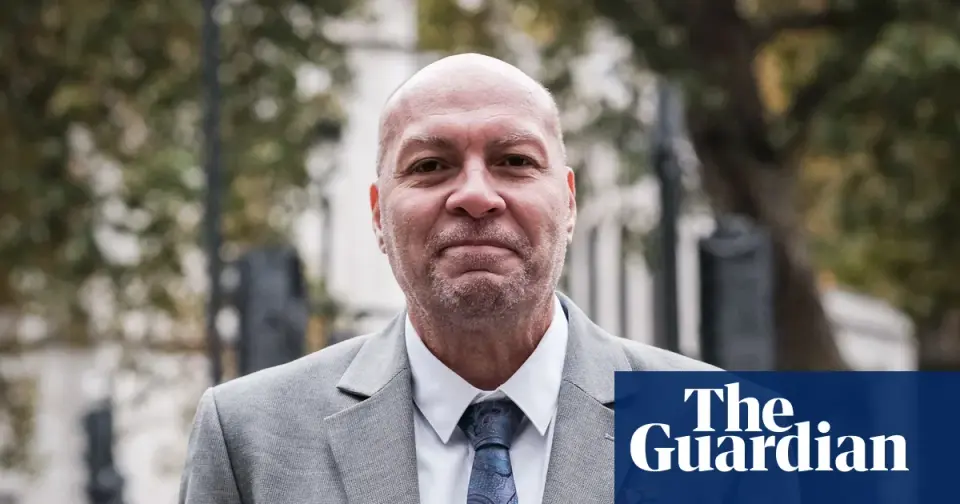
The UK’s Judicial Committee of the Privy Council has ruled that Trinidad and Tobago’s laws criminalizing consensual same-sex intimacy are unconstitutional, ending a decade-long legal battle led by activist Jason Jones. The unanimous decision overturns a 2025 local appeal that had recriminalized such acts, restoring a 2018 high court victory. The ruling decriminalizes anal sex and same-sex intimacy for adults over 16, potentially influencing similar cases in other Commonwealth nations that retain colonial-era sodomy laws.
Key points
- The Privy Council ruled that Trinidad and Tobago’s 1986 Sexual Offences Act is new legislation, not protected by the 'savings clause' that shields colonial-era laws from constitutional challenge.
- The decision decriminalizes consensual anal sex and same-sex intimacy for adults over 16, reversing a 2025 ruling by Trinidad and Tobago’s court of appeal.
- Activist Jason Jones, who has lived in London for decades, initiated the case in 2016, arguing the laws violated his constitutional rights.
- The ruling is the first time the Privy Council has decriminalized homosexuality, potentially affecting other Caribbean nations that use it as their final court of appeal.
- Critics note that while the legal barrier is removed, social stigma and discrimination against LGBTQ+ individuals in Trinidad and Tobago persist.
Background
Trinidad and Tobago’s anti-gay laws originated from British colonial statutes, including a 1925 act and a 1986 Sexual Offences Act that increased penalties. The 'savings clause' had protected these laws from constitutional challenges since independence. This ruling follows similar decriminalization efforts in St Lucia and Belize, reflecting a broader regional trend against colonial-era sodomy laws.
How outlets are covering it
The Guardian and BBC emphasize the historic nature of the ruling and its potential to influence other Commonwealth nations, while CNN highlights the irony of using the UK’s judicial system to overturn a colonial-era law. Activists like Jason Jones and Peter Tatchell view the decision as a 'gold standard' for decriminalization, whereas local groups like Pride TT caution that legal changes do not immediately eliminate social discrimination. Some critics, like Ria Mohammed, question why independent nations retain laws abandoned by their former colonial rulers.
Why it matters
The ruling sets a precedent for challenging colonial-era anti-gay laws in other Caribbean and Commonwealth nations, potentially accelerating decriminalization efforts. It also highlights the ongoing tension between legal progress and social acceptance, as LGBTQ+ individuals continue to face discrimination despite legal victories.
What to watch
Activists plan to use the Privy Council’s ruling to challenge similar laws in other Caribbean nations, such as Saint Vincent and the Grenadines and Guyana. The decision may also prompt debates about replacing the Privy Council with the Caribbean Court of Justice as the final court of appeal in some nations.
- Activist wins 10-year fight against homophobic Trinidad and Tobago laws The Guardian
- A gay sex ban is overturned in Trinidad and Tobago. What the ruling says about LGBTQ+ rights and post-colonial identity CNN
- Court in UK Decriminalizes Same-Sex Relations in Trinidad and Tobago The New York Times
- Anti-gay laws in Trinidad and Tobago overturned BBC
- UK court overturns Trinidad and Tobago law criminalising homosexual sex Sky News
Want the full story? Read the original reporting
Read on The Guardian