
Harvard Economist Faces Backlash Over AI-Generated Anti-Tariff Op-Ed
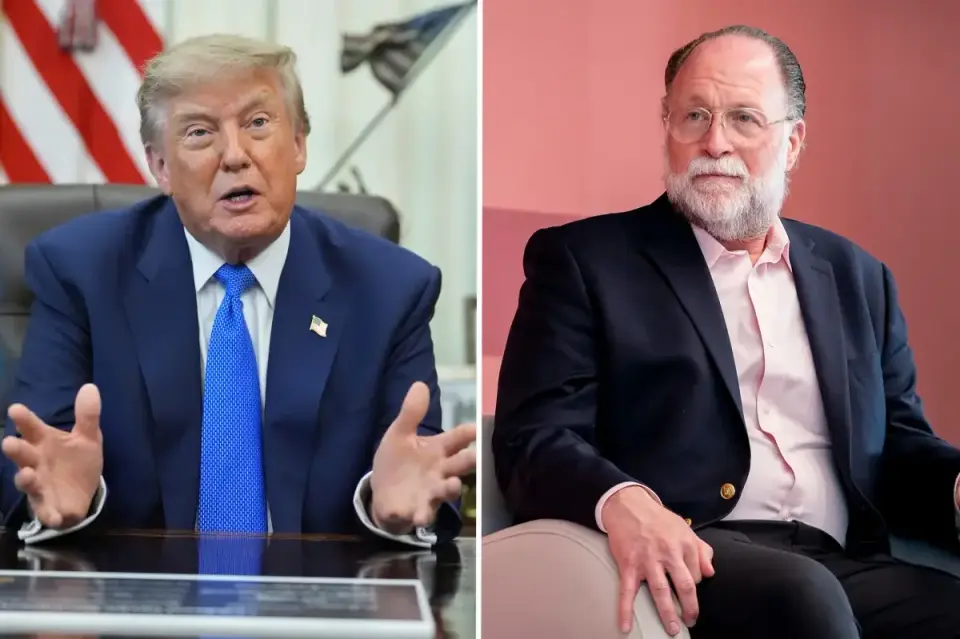
Ricardo Hausmann, a Harvard Kennedy School professor and former Venezuelan minister, faced intense criticism after the Financial Times published an op-ed he wrote criticizing President Trump’s tariffs. The article, which appeared behind a paywall, was flagged by social media users and AI detection tools as being largely generated by artificial intelligence. The Financial Times subsequently added a disclaimer acknowledging that AI was used to condense a longer draft prior to submission, violating its editorial code of conduct. Critics, including academics and former admirers of Hausmann’s work, condemned the piece as low-quality 'slop,' raising concerns about the integrity of scholarly writing and the influence of AI in high-level journalism.
Key points
- Ricardo Hausmann, a 70-year-old Harvard Kennedy School professor, published an op-ed in the Financial Times criticizing President Trump’s tariffs.
- The Financial Times added a disclaimer stating that AI was used to condense a longer draft of the column before submission, violating its editorial code of conduct.
- AI detection tool Pangram indicated that the 841-word piece was 71% AI-generated, leading to widespread criticism on social media.
- Critics, including Michael Socolow of the University of Maine and Bloomberg’s Joe Weisenthal, described the writing as 'slop' and expressed astonishment at its publication in a major outlet.
- Hausmann, the Financial Times, and the Harvard Kennedy School did not respond to requests for comment regarding the incident.
Background
This incident occurs amid ongoing tensions between the Trump administration and Harvard University, including a recent federal judge’s dismissal of a lawsuit alleging Harvard failed to protect Jewish and Israeli students from harassment. The controversy also highlights broader academic concerns about the use of AI in scholarly and journalistic contexts, particularly as institutions struggle to maintain standards of originality and creativity in student and faculty work.
Why it matters
The incident underscores growing concerns about the integrity of high-profile journalism and academic writing in the age of AI. It raises questions about editorial standards at major publications like the Financial Times and the potential erosion of trust in expert commentary, especially when such content is used to influence public policy debates on significant issues like trade tariffs.
What to watch
The Financial Times and Harvard Kennedy School may face pressure to address the breach of editorial standards and clarify their policies on AI use. Hausmann may need to respond to the criticism to maintain his academic and professional reputation. The incident could also prompt broader discussions about AI ethics in journalism and academia, potentially leading to stricter guidelines or enforcement mechanisms.
Want the full story? Read the original reporting
Read on nypost.com