
Abbas Postpones Palestinian Elections to 2027, Igniting Anger and Diplomatic Friction
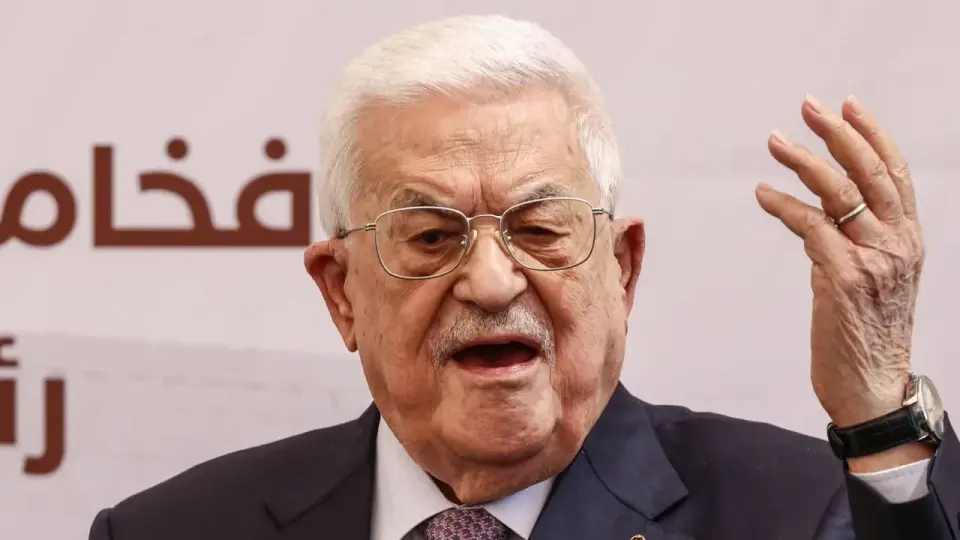
Palestinian President Mahmoud Abbas has officially postponed legislative and presidential elections, originally scheduled for November 28, 2026, to September 11, 2027. The decision extends a voting freeze of nearly two decades and has triggered sharp criticism from Palestinian candidates, international partners, and Israeli officials. While the Palestinian Authority cites Israeli restrictions in Gaza and security concerns as the primary reasons, critics argue the delay serves to preserve the status quo and avoid internal political challenges. The move has strained diplomatic relations, particularly with Australia and France, which had linked their recognition of Palestinian statehood to the promise of democratic reforms.
Key points
- Abbas announced the postponement via decree, shifting the vote from November 28, 2026, to September 11, 2027.
- The Palestinian Authority and PLO Executive Committee cited Israeli obstacles, including the blocking of election materials and observers in Gaza, as the justification.
- Israeli Foreign Minister Gideon Sa'ar rejected the PA's claims, labeling them a 'ridiculous lie' designed to evade accountability.
- Hamas welcomed the delay, calling it a step in the right direction, while opposition figures within the PA accused Abbas of prioritizing power over democratic rights.
- Australian Foreign Minister Penny Wong called the move 'deeply disappointing,' urging the PA to hold elections without delay to uphold its commitments to the international community.
Background
This is the latest in a series of delays for Palestinian elections, with the last legislative vote held in 2006. Previous postponements in 2021 and 2022 were also attributed to Israeli restrictions and internal disagreements. The current delay occurs amid a U.S.-brokered ceasefire plan that leaves the PA's role in Gaza uncertain, with Hamas still governing the territory and a technocratic committee awaiting permission to enter.
How outlets are covering it
The Jerusalem Post highlights the anger of Palestinian candidates, particularly in Gaza, who had invested significant effort into their campaigns despite living in tents. It notes that New Path leader Samer Sinijlawi and Phoenix list leader Ahmad Shadid view the delay as a betrayal of democratic hopes and a move to protect the status quo. Fox News emphasizes the political implications for Abbas, noting that the delay prevents a potential electoral alliance between Hamas, Palestinian Islamic Jihad, and a faction led by Mohammed Dahlan from challenging his leadership. The New York Times focuses on the internal rifts within Fatah and the PA's communication of the delay to France, highlighting the lack of engagement from Israel in facilitating the vote. ABC News centers on the diplomatic fallout, particularly Australia's reaction, with Foreign Minister Penny Wong calling the delay 'deeply disappointing' and the Coalition accusing Labor of 'prematurely' recognizing Palestinian statehood based on election promises. The sources generally agree on the facts of the postponement but differ in emphasis: JPost and ABC focus on the democratic deficit and international criticism, Fox News on the internal power dynamics, and NYT on the diplomatic and institutional failures.
Why it matters
The postponement of Palestinian elections to 2027 extends a two-decade voting freeze, undermining the legitimacy of the Palestinian Authority and its claims to democratic governance. It strains diplomatic relationships with key international partners, particularly Australia and France, which had linked their recognition of Palestinian statehood to the promise of elections. The delay also preserves Abbas's grip on power amid growing internal opposition and external pressure, potentially affecting the future of the two-state solution and the PA's role in Gaza under the current ceasefire plan.
What to watch
The Palestinian Authority is expected to engage in a 'national dialogue' to address the crisis and prepare for the 2027 elections, though critics doubt the sincerity of these efforts. International partners, particularly Australia and France, may impose consequences or withhold support if the PA fails to honor its commitments. The political landscape in Gaza and the West Bank will likely remain unstable, with Hamas continuing to govern Gaza and the PA's role in the territory uncertain. The next critical date is September 11, 2027, when the elections are scheduled to take place, though there is no guarantee they will be held on time.
- ‘Disregarded hopes of millions’: Palestinians angered after Abbas again postpones PLC elections The Jerusalem Post
- Abbas delays Palestinian elections again, making more than two decades without vote Fox News
- Abbas postpones Palestinian elections, sets presidential poll for September 2027 Reuters
- Palestinian Authority Says Elections Are to Be Postponed The New York Times
- Penny Wong urges Palestinian Authority to hold elections 'without delay' ABC News & Headlines �� Australian Broadcasting Corporation
Want the full story? Read the original reporting
Read on The Jerusalem Post