
Houthis target Riyadh airport in deadliest Saudi attack since 2010
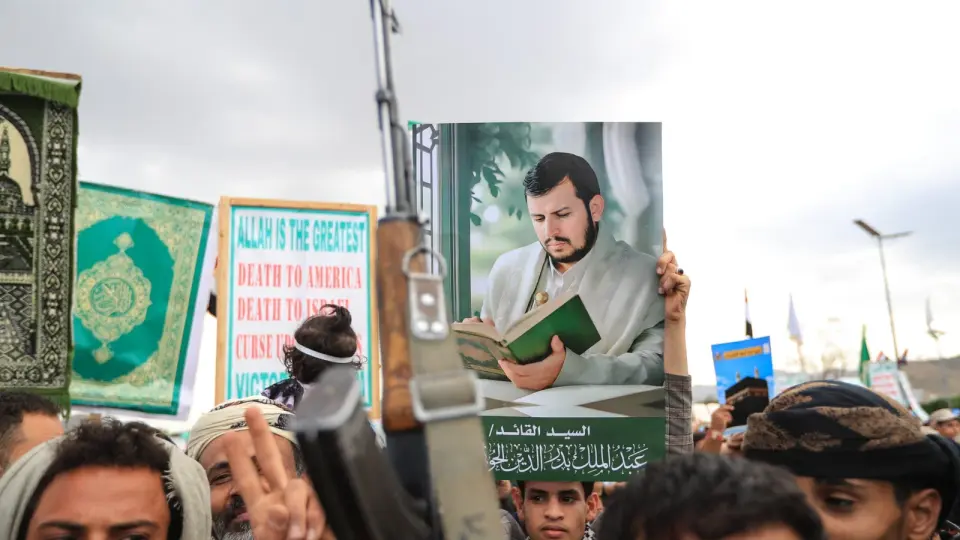
Houthi strikes on King Khalid International Airport in Riyadh killed 14 people and wounded over 300, marking the deadliest attack on Saudi soil in more than a decade. The assault, which closed the airport and prompted a Saudi investigation into air defense failures, follows the collapse of a 2022 UN-backed truce. Houthi leader Yahya Saree declared a new phase of escalation, targeting Saudi infrastructure while demanding an end to what he calls a siege on Yemen. The conflict has displaced 130,000 people and reignited fears of full-scale war in the region.
Key points
- A Houthi strike on King Khalid International Airport in Riyadh killed 13 people on Saturday and one more on Sunday, with 309 wounded, marking the deadliest attack on Saudi soil in over a decade.
- Houthi military spokesman Yahya Saree stated the group targeted the airport in three stages and warned that Saudi airports are unsafe, except those serving Mecca and Medina.
- Saudi Arabia launched an investigation into why its air defenses failed to intercept the missiles, which traveled over 1,000 km from Yemen.
- The attacks follow the collapse of a 2022 UN-backed truce, which ended after Saudi Arabia bombed Sanaa airport in July, leading to a Houthi maritime blockade.
- The Houthis, officially known as Ansar Allah, are a Zaydi Shia movement led by Abdul-Malik al-Houthi that controls about 30 percent of Yemen's territory but 80 percent of its population.
- The group's military strength has grown from 30,000 fighters in 2015 to an estimated 350,000 by 2024, relying on drones and ballistic missiles supplied or designed by Iran.
Background
This escalation follows a period of relative calm under a UN-backed truce that largely froze Yemen's war since 2022. The truce collapsed in July 2026 after Saudi airstrikes on Sanaa airport, prompting the Houthis to declare a maritime blockade. In September, the group seized the Red Sea port of Mokha and pushed toward the Bab al-Mandeb strait, a critical route for global oil exports. Saudi-backed government forces launched a counter-offensive in early October, reclaiming much of the coastline, but the Houthis have continued to launch deadly attacks on Saudi infrastructure, signaling a new phase of the conflict.
Why it matters
The Houthi strikes on Riyadh highlight the vulnerability of Saudi Arabia's air defenses and the potential for the conflict to spill over into a wider regional war. The closure of King Khalid International Airport disrupts major energy conferences and travel, while the Houthi control of the Bab al-Mandeb strait threatens global oil supply routes. The escalation also underscores the deepening ties between the Houthis and Iran, with Tehran offering to facilitate dialogue but the group denying it is a proxy. The humanitarian crisis in Yemen, with 130,000 people displaced, adds urgency to the need for a diplomatic resolution.
What to watch
Saudi Arabia is investigating the failure of its air defenses and may increase military pressure on Houthi targets. The Houthis have warned of continued escalation, targeting Saudi airports and infrastructure until their demands are met. The UN special envoy is likely to push for a renewed ceasefire, but the collapse of the 2022 truce and the current military stalemate suggest that a lasting peace remains unlikely in the near term. The conflict may also see further international involvement, with Gulf allies calling for a joint regional response and the US potentially considering military intervention.
- Who are Yemen's Houthis and what do they want? Middle East Eye
- How Iran made the Houthis into such a problem for the U.S. and its allies CBS News
- Does Saudi Arabia have any good options to deal with the Houthis? - analysis The Jerusalem Post
- The View from India newsletter: Did Saudi Arabia walk into the Houthi trap? The Hindu
- What ideology lies behind the Houthis’ destructive doctrine? Arab News
Want the full story? Read the original reporting
Read on Middle East Eye