
Iran denounces Pakistan’s shift from mediator to military ally as Mecca Pact activates
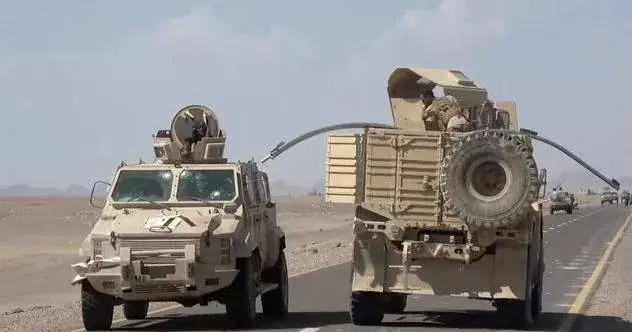
Iran has intensified its criticism of Pakistan following the operational activation of the Saudi Arabia-Pakistan-Turkey defense pact, known as the Mecca Agreement. Tehran views Islamabad’s military deployment to Saudi Arabia as a betrayal of its role as a neutral mediator between Iran and the United States. While Pakistan confirms troops are stationed in the Gulf kingdom to provide defensive support against Houthi attacks, Iranian officials and lawmakers argue this alignment will destabilize the region and compromise Pakistan’s diplomatic neutrality. The conflict has escalated with Houthi strikes on Saudi airports, prompting the trilateral pact to move from a paper agreement to active military cooperation.
Key points
- The Mecca Pact entered its operational phase on October 5, 2026, following a surge in Houthi missile and drone attacks on Saudi infrastructure, including Abha and King Khalid International Airports.
- Pakistan’s military media chief, Lt. Gen. Ahmed Sharif Chaudhry, confirmed to CNN that Pakistani forces are already stationed in Saudi Arabia, though he declined to specify numbers or capabilities, describing the deployment as 'defensive in nature.'
- Iranian Foreign Ministry spokesman Esmail Baghaei dismissed reports of tens of thousands of Pakistani troops as 'rumors' and warned that any intervention in Yemen would have 'undesirable consequences' for the region.
- Iranian lawmakers, including Ahmad Naderi and Ebrahim Rezaei, criticized the pact as a 'paper agreement' and accused Pakistan of abandoning its mediator role to become a 'regional intervenor' alongside Saudi Arabia.
- The Houthis have killed at least three people in recent attacks on Saudi airports, with Saudi authorities claiming to have destroyed the ballistic missile launcher used in the Riyadh strike.
Background
The Mecca Pact was signed in August 2026, establishing a collective defense framework where an attack on one member is treated as an attack on all. This follows a period of heightened tensions after the US-Iran ceasefire unraveled in July 2026, leading to Houthi attacks on Saudi oil facilities and tankers. Prior to the pact’s activation, Pakistan had been mediating between Iran and the US, and had previously pledged to defend Saudi Arabia 'to any extent' while urging restraint from the Houthis. The pact’s activation coincides with Saudi-backed Yemeni government forces launching 'Operation Dawn of Yemen' to retake positions near the Bab al-Mandeb Strait, which the Houthis had claimed control of in September 2026.
How outlets are covering it
Iran International and Iranian state media portray the Mecca Pact as a symbolic 'paper agreement' that will not bring Saudi Arabia security, with lawmakers accusing Pakistan of betraying its neutral mediator role. CNN reports that Pakistan has confirmed the presence of troops in Saudi Arabia, with military officials emphasizing the defensive nature of the deployment and its role as a deterrent. The National Interest argues that the pact represents a shift in regional security architecture, allowing regional powers to assume greater responsibility for deterrence rather than relying solely on the United States, and notes that the operational phase has given the agreement credibility that early critics doubted. Iranian officials, however, warn that the pact could heighten sectarian tensions and destabilize the Iranian-Pakistani border, while Pakistani officials maintain that the alliance is focused on protecting Saudi Arabia and does not intend to start new conflicts.
Why it matters
The activation of the Mecca Pact marks a significant shift in Middle Eastern security dynamics, as regional powers move to create indigenous defense mechanisms in response to perceived US unreliability and escalating Houthi attacks. Iran’s hardening stance against Pakistan could strain diplomatic channels between Tehran and Islamabad, potentially complicating ongoing negotiations between Iran and the United States. The conflict’s expansion into Saudi territory, including attacks on major airports, underscores the growing threat to regional stability and the potential for a wider war involving multiple state actors. The pact’s success or failure will determine whether regional powers can effectively deter Houthi attacks without triggering a broader regional conflict.
What to watch
The situation will likely escalate as the Houthis continue to target Saudi infrastructure, with Saudi authorities warning of 'another imminent attack.' Pakistan and Turkey are expected to provide further military, technical, and intelligence support to Saudi Arabia, though the scope of their involvement remains classified. Iran may further intensify its diplomatic and rhetorical pressure on Pakistan, potentially affecting its role as a mediator between Tehran and Washington. The US and other international actors may monitor the situation closely, as the conflict’s expansion could impact global oil trade through the Bab al-Mandeb Strait and the Strait of Hormuz. The outcome of the Mecca Pact’s operational phase will be crucial in determining whether regional powers can effectively manage the crisis without triggering a wider war.
- Iran turns on Pakistan as Saudi defense pact takes effect Iran International
- As Munir's military takes on Gulf role, Pakistan's parliament is not involved Reuters
- Pakistan confirms it has troops in Saudi as conflict with Yemen’s Houthi rebels escalates CNN
- Turkey Says It Won’t Deploy Troops for Attacks Under Mecca Pact Bloomberg.com
- The Mecca Pact’s Yemen Test The National Interest
Want the full story? Read the original reporting
Read on Iran International