
Israel Arrests 10 in West Bank After Settler Violence Against Journalist and Diplomats
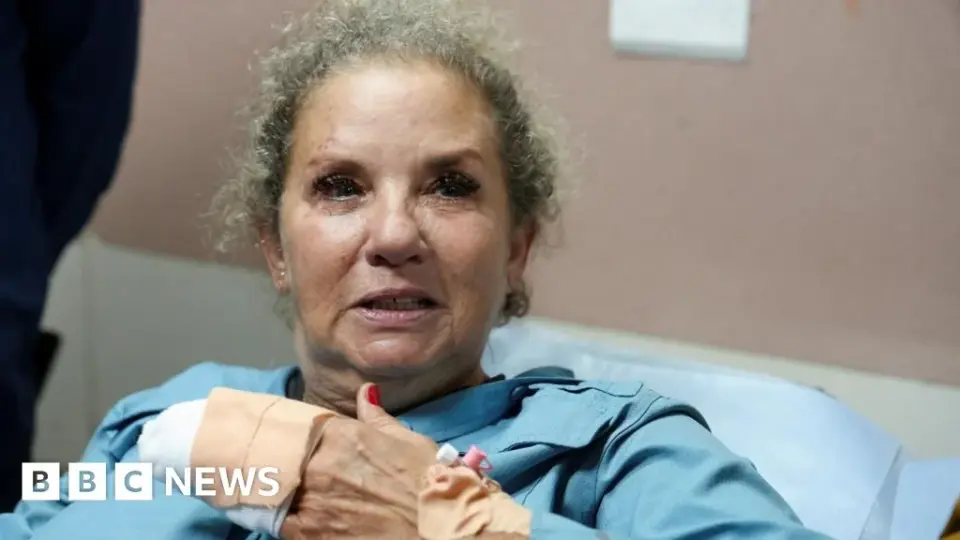
Israeli police arrested ten suspects in the occupied West Bank following violent settler attacks on a US journalist and European diplomats during the olive harvest. While Washington and Brussels condemned the assaults and demanded accountability, Prime Minister Netanyahu's office questioned the evidence, labeling the incidents a smear campaign. Human rights groups report a sharp surge in settler violence, noting that prosecutions for such offenses remain rare.
Key points
- Israeli police detained ten suspects in an operation named 'Olive Leaf' after masked settlers attacked Washington Post photojournalist Heidi Levine and a delegation of European diplomats in the West Bank.
- Levine suffered four broken vertebrae, a broken rib, and lacerations after being beaten by settlers in the village of Abu Falah, while diplomats from Belgium, France, Poland, and the Vatican were assaulted in nearby Taybeh.
- US Ambassador Mike Huckabee and Secretary of State Marco Rubio condemned the attacks, with Rubio stating that President Trump does not want a crisis in the West Bank and has urged Israel to crack down on settler violence.
- Prime Minister Benjamin Netanyahu's office cast doubt on the video evidence and testimony, describing the incidents as a 'coordinated campaign to smear Israel' and West Bank settlers.
- The Israeli human rights group Yesh Din logged over 530 incidents of settler violence since the olive harvest began in late September, averaging 27 violent incidents per day.
- Between 2005 and 2025, more than 93% of Israeli police investigations into ideologically motivated offenses by Israelis against Palestinians in the West Bank ended without an indictment, according to Yesh Din.
Background
This incident follows a recent surge in settler violence during the 2026 olive harvest season, which is critical for Palestinian livelihoods. Previous coverage highlighted similar attacks on diplomats and journalists in early October, with international condemnation and calls for justice. The current arrests represent a rare instance of prosecution in a region where settler violence has historically faced minimal legal consequences.
How outlets are covering it
BBC and CNN report the arrests as a direct response to US pressure and international condemnation, highlighting the severity of the injuries and the diplomatic fallout. AP News emphasizes the broader context of settler violence and the lack of accountability, noting that the Israeli army has been accused of shielding settlers. While US and European officials demand justice, Netanyahu's office disputes the narrative, framing the attacks as a smear campaign. This divergence highlights the tension between international expectations and Israeli domestic politics, particularly with elections approaching on October 27.
Why it matters
The arrests signal a potential shift in Israeli enforcement against settler violence, though the low prosecution rate and Netanyahu's skepticism suggest that systemic change remains unlikely. The incident underscores the escalating tensions in the West Bank and the international community's growing concern over the safety of journalists and diplomats. It also highlights the political risks for Netanyahu, who must balance international pressure with his right-wing base ahead of the upcoming elections.
What to watch
The Israeli police are consolidating evidence to bring the suspects to justice, but the outcome of the case remains uncertain given the historical lack of prosecutions. The upcoming Israeli elections on October 27 may influence the government's approach to settler violence, with Trump's endorsement of Netanyahu potentially impacting the political landscape. International pressure may continue to mount if further incidents occur, but the effectiveness of the arrests in curbing settler violence remains to be seen.
- Israeli police arrest 10 over settler attacks on journalist and diplomats in West Bank BBC
- Amid US pressure on settler violence, Israel arrests at least 10 suspected of West Bank attacks on journalist, diplomats CNN
- Photographer attacked by settlers in the West Bank feels insulted by Netanyahu AP News
- Israeli settlers attack Palestinians, European diplomats in West Bank, Belgium says Reuters
- Daily Briefing Oct. 19 – Operation Olive Leaf: Police make rare arrest of 10 extremist settlers The Times of Israel
Want the full story? Read the original reporting
Read on BBC