
Israel’s Unified Backlash Against NAZA Documentary Exposes Deep Media Censorship
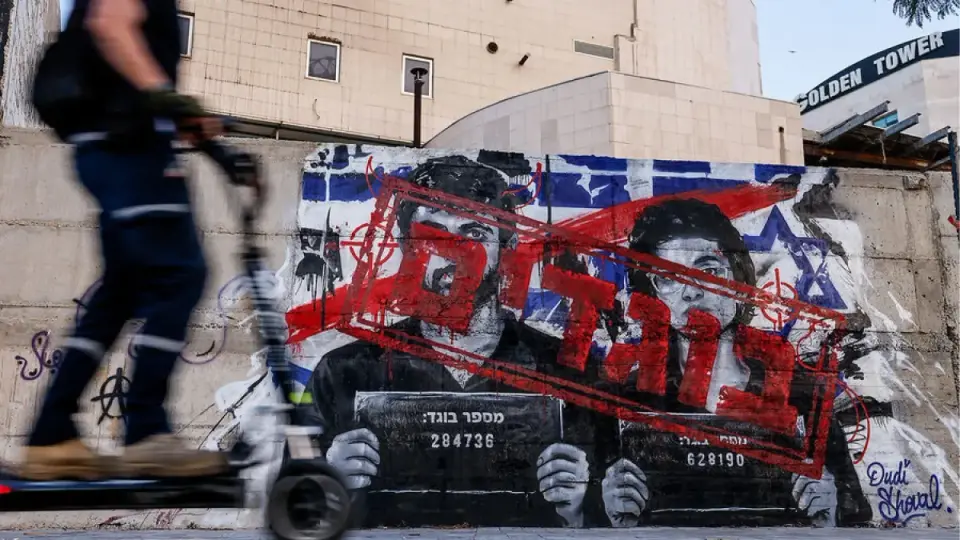
The Israeli documentary NAZA, which features anonymous military sources discussing AI-targeted strikes in Gaza, has triggered a unified and severe backlash from Israeli politicians, media, and far-right activists. While the film’s core allegations were previously reported, its release has exposed a stark gap between Israeli public perception and media coverage, with officials calling for the filmmakers’ citizenship revocation and treason charges.
Key points
- NAZA, directed by Yuval Abraham and Rachel Szor, premiered at the Venice Film Festival with a 25-minute standing ovation, featuring 24 anonymous Israeli military and intelligence sources.
- The film alleges the use of AI to target entire buildings in Gaza, a claim previously reported in April 2024 but now central to Israeli political debate.
- Prime Minister Netanyahu and Culture Minister Miki Zohar have called for the filmmakers’ citizenship revocation and treason investigations, while Army Chief Eyal Zamir dismissed the film as 'blood libel.'
- Far-right activists protested outside the filmmakers’ family homes, calling for their execution, while mainstream Israeli media and opposition politicians joined the unified condemnation.
- A 2025 Molad study found only 3% of Channel 12’s war coverage mentioned Gaza’s humanitarian crisis, highlighting a media environment that shapes public denial of the conflict’s scale.
Background
NAZA is the latest work by directors Yuval Abraham and Rachel Szor, previously known for the Oscar-winning documentary No Other Land. The film was produced by The Guardian and JW Films, with Jonathan Glazer as executive producer, and debuted at the 83rd Venice Film Festival in September 2026. It follows earlier investigative reporting from outlets like Local Call and +972, which first detailed the use of AI in Israeli military operations in Gaza.
How outlets are covering it
Al Jazeera and The New York Times emphasize the unprecedented unity of Israeli political and media establishments in condemning the film, noting that even opposition figures like Naftali Bennett and Gadi Eisenkot joined the backlash. Vox highlights the global attention NAZA has received despite few Israelis having seen it, while Haaretz focuses on the violent far-right protests outside the filmmakers’ homes. All sources agree that the film has exposed a deep disconnect between Israeli media coverage and the reality of the war in Gaza, with Al Jazeera and The New York Times stressing the role of media censorship in shaping public denial.
Why it matters
The NAZA controversy reveals the extent of media and political control in Israel, where dissent is met with severe backlash, including calls for citizenship revocation and treason charges. It highlights the challenges faced by journalists and filmmakers in exposing the realities of the Gaza conflict, and the potential impact of such censorship on public perception and international relations.
What to watch
The film is set to expand its U.S. theatrical release, with a broader rollout following its opening in New York and Los Angeles. The Israeli government’s legal actions against the filmmakers and the ongoing political debate will likely intensify ahead of the October 2026 elections, with the NAZA controversy becoming a central issue in the campaign.
- NAZA: Why are old Gaza allegations causing new fury in Israel? Al Jazeera
- Opinion | Why Israel Fears This Searing New Documentary The New York Times
- An Israeli documentary about Gaza is sweeping the world — and Israelis are furious vox.com
- Right-wingers call to 'execute traitors' outside 'NAZA' filmmaker's family home Haaretz
- Gaza Documentary ‘NAZA’ Sets U.S. Theatrical Release Through Self-Distribution Model Variety
Want the full story? Read the original reporting
Read on Al Jazeera