
King Salman Condemns Houthi Strikes as Saudi Capital Faces Escalation
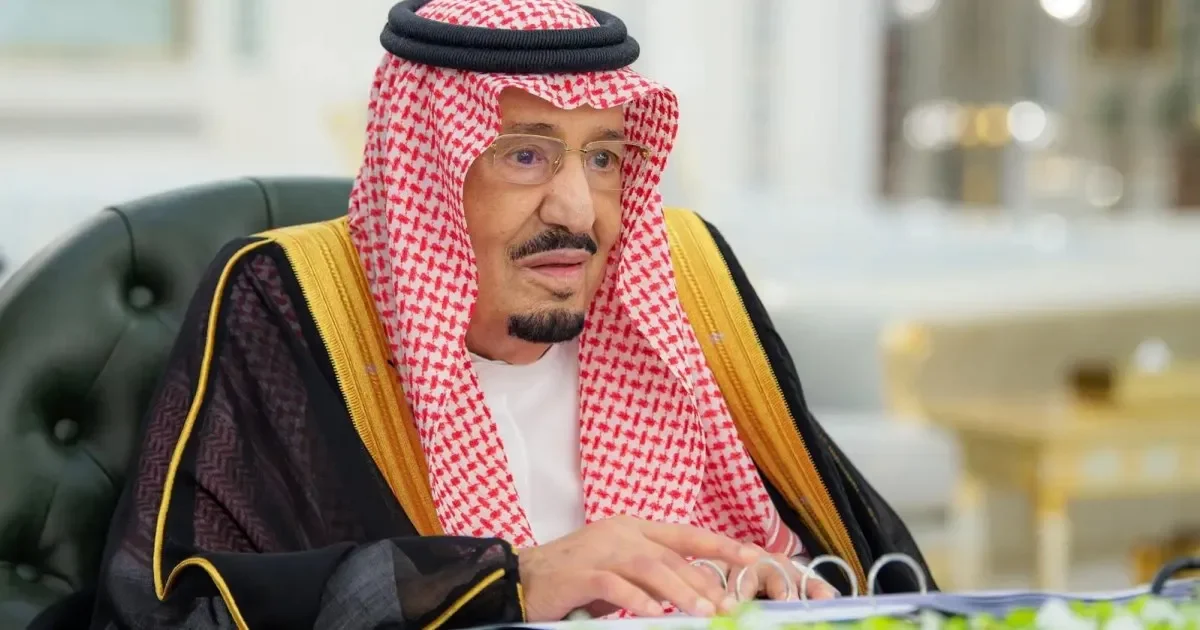
Saudi King Salman has labeled the Yemeni Houthi movement a 'terrorist militia' following a surge in attacks on Saudi cities and energy infrastructure. This rare public intervention by the monarch coincides with a significant escalation in the conflict, including a missile strike on Riyadh and a security alert in Mecca, the first in nearly a decade.
Key points
- King Salman bin Abdulaziz Al Saud called the Houthi targeting of Mecca a 'heinous crime' and a provocation against Muslim sentiment during a cabinet meeting on September 22.
- The Houthis claimed responsibility for a barrage of missiles and drones targeting Riyadh and oil facilities in the coastal city of Yanbu on September 19, marking a major escalation.
- Saudi air defenses intercepted a ballistic missile fired toward Riyadh, causing smoke to rise from a fuel storage area at King Khalid International Airport.
- A security alert was activated in Mecca for the first time in nearly ten years, prompting the Saudi government to urge residents to leave protected areas.
- The conflict has expanded to threaten global energy supplies, as Houthis have consolidated control over Yemen’s Red Sea coast, which serves as an alternative route for Saudi oil exports.
Background
The current escalation follows a series of Houthi strikes on Saudi coastal cities in mid-September, including Taif and Jeddah. Previous reports indicated that Saudi Arabia had designated Mecca as a 'red line' and sought U.S. military assistance, though Washington has largely limited its support to intelligence sharing. The broader conflict is linked to regional tensions stemming from the U.S.-Israel war on Iran that began in February 2026.
How outlets are covering it
Al Jazeera emphasizes the diplomatic and royal dimension, highlighting King Salman’s rare direct intervention and his coordination with Egyptian President Abdel Fattah el-Sisi and French President Emmanuel Macron to ensure maritime security. The New York Times focuses on the military escalation, detailing the specific attacks on Riyadh and oil facilities, and noting that the Houthis denied Saudi claims of targeting Mecca, calling them a 'heinous lie.' While both outlets confirm the severity of the attacks, Al Jazeera frames the response as a regional diplomatic effort, whereas The New York Times frames it as a direct military confrontation.
Why it matters
The escalation threatens global energy markets by disrupting alternative oil export routes through the Red Sea. The direct targeting of Saudi’s capital and holy sites signals a shift in the conflict’s scope, potentially drawing in regional powers and complicating U.S. efforts to maintain stability in the Middle East.
What to watch
Saudi Arabia is expected to continue coordinating with regional partners, including Egypt and France, to counter Houthi threats. The Houthis may further expand their control over the Red Sea coast to leverage their position in the broader regional conflict. U.S. involvement remains limited to intelligence sharing, but the situation could prompt further international diplomatic or military responses.
- Saudi Arabia’s King Salman slams targeting of Mecca by ‘terrorist’ Houthis Al Jazeera
- Flames, smoke seen near Riyadh airport; Houthis claim attacks on Saudi capital Reuters
- Yemen’s Houthis Claim Attack on Saudi Capital After Fuel Depot Burns at Airport WSJ
- Saudi Arabia confirms Yemen’s Houthi rebels tried to attack its capital with a ballistic missile AP News
- In Significant Escalation, Houthis Attack Saudi Capital The New York Times
Want the full story? Read the original reporting
Read on Al Jazeera