
Houthi Missile Alerts in Mecca Expose Saudi Vulnerability and Alliance Fractures
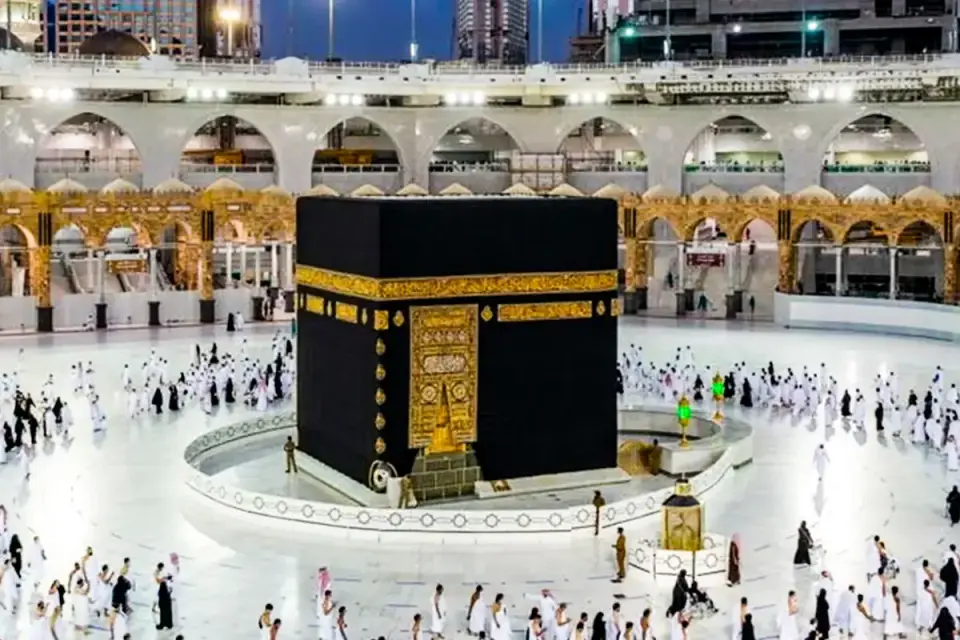
Missile sirens sounded in Mecca, Jeddah, and Taif on Tuesday as Houthi forces escalated attacks against Saudi Arabia, marking a significant escalation in the Yemen conflict. While Saudi authorities intercepted a drone near the holy city, Houthi spokespersons denied targeting Mecca, claiming strikes were aimed at military and oil infrastructure. The crisis has exposed deep fractures in regional alliances, with Pakistan declining to provide direct military support under the Mecca Defence Pact, prompting Saudi Arabia to seek intelligence assistance from Israel. Simultaneously, the US and Saudi Arabia are expanding shipping through the Strait of Hormuz to bypass the Houthi blockade of the Bab al-Mandeb Strait, though this route remains at reduced capacity. The UN Security Council convened an emergency session to address the rising violence, which has displaced nearly 94,000 people and caused over 2,800 casualties since August.
Key points
- Sirens activated in Mecca, Jeddah, and Taif on Tuesday, with Saudi air defenses intercepting a drone near Mecca; Houthi officials denied targeting the holy city.
- Saudi Arabia and the US are increasing tanker transit through the Strait of Hormuz to compensate for the Houthi blockade of the Bab al-Mandeb Strait, currently averaging 10 tankers daily.
- Pakistan declined to join military strikes against the Houthis, citing the Mecca Defence Pact as not yet operational, leading Saudi Arabia to seek intelligence support from Israel.
- The UN Security Council held an emergency session on Tuesday, with the WHO reporting 2,883 casualties and the IOM reporting 93,864 newly displaced people since August 6.
- Houthi forces have seized islands near the Bab al-Mandeb Strait and are pressing an offensive to break the siege on Taiz, threatening Saudi oil exports and Red Sea shipping.
Background
This escalation follows months of intensifying conflict in Yemen, including Houthi ballistic missile strikes on al-Makha and Marib in August 2026. Previous coverage highlighted Saudi Arabia's dilemma in balancing military response with the risk of wider regional involvement, particularly regarding the Mecca Defence Pact with Pakistan and Turkey. The current crisis represents the most severe threat to Saudi security since the conflict began, with the Houthis now controlling significant portions of Yemen's western coast and threatening critical energy infrastructure.
How outlets are covering it
Israel Hayom emphasizes the strategic shift toward the Strait of Hormuz and the US-Saudi coordination to maintain oil flow, noting that military force may be used against Iranian strike capabilities in Hormuz. The Jerusalem Post highlights the intelligence failures and the collapse of Saudi-backed forces, describing the Houthi advance as a 'glaring intelligence failure' that exposed the limits of US protection and Saudi command structures. NDTV focuses on the diplomatic fallout, particularly Pakistan's refusal to provide military support under the Mecca Defence Pact, which forced Saudi Arabia to seek intelligence assistance from Israel despite the lack of formal diplomatic ties. UN News provides a humanitarian perspective, detailing the massive displacement and casualty figures, and emphasizing the threat to commercial shipping and humanitarian supplies in the region.
Why it matters
The Houthi attacks on Saudi Arabia threaten global oil supplies and energy security, with the blockade of the Bab al-Mandeb Strait forcing a shift to the Strait of Hormuz, which is operating at reduced capacity. The crisis has exposed the fragility of regional alliances, particularly the Mecca Defence Pact, and raised questions about US commitment to Saudi security. The humanitarian impact is severe, with nearly 94,000 people displaced and over 2,800 casualties since August, while the potential for further escalation could lead to a broader regional conflict involving Iran and its proxies.
What to watch
Saudi Arabia and the US are expected to continue expanding shipping through the Strait of Hormuz, with potential military action against Iranian strike capabilities in the strait to prevent further oil price increases. The UN Security Council is likely to continue monitoring the situation, with calls for de-escalation and humanitarian access. Saudi Arabia may seek further support from Egypt and other regional partners, while the Houthis are expected to continue their offensive to break the siege on Taiz and consolidate their gains near the Bab al-Mandeb Strait. The diplomatic fallout from Pakistan's refusal to provide military support may strain the Mecca Defence Pact and affect Saudi-Pakistan relations.
- Sirens sound in Mecca after Houthi missile fire www.israelhayom.com
- Saudi civil defence says danger has passed in six cities including Yanbu Reuters
- Houthis claim attack on Saudi Arabia's Aramco facilities, military airbase The Jerusalem Post
- Security Council LIVE: Rising violence triggers emergency meeting on Yemen UN News
- Houthi Threat Reaches Mecca, Pakistan Hides Behind 'Ops' To Avoid Saudi Fight NDTV
Want the full story? Read the original reporting
Read on www.israelhayom.com