
Saudi Air Defenses Fail as Houthi Strikes Escalate Regional War
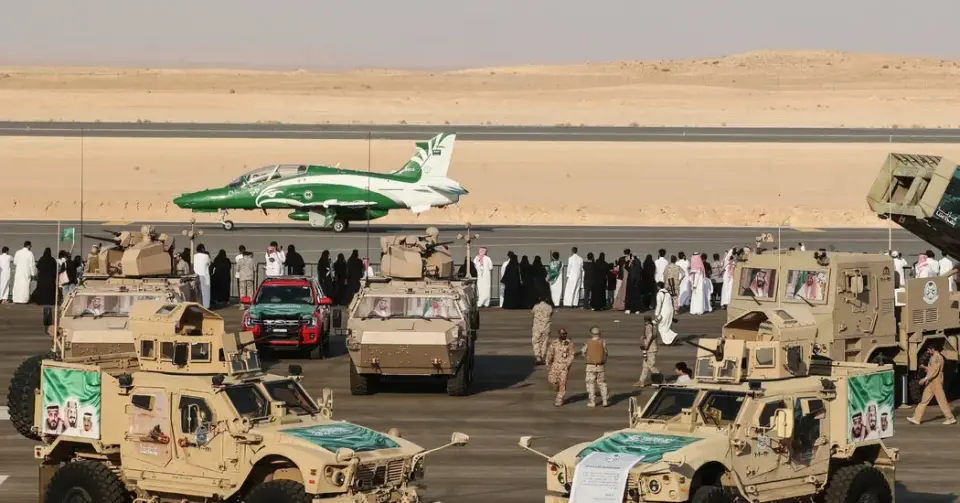
Saudi Arabia’s advanced air defenses have failed to stop a surge of Houthi attacks, including a deadly strike on Riyadh’s main airport. The conflict highlights the limitations of high-cost military systems against cheap, low-flying drones and missiles, forcing Riyadh to weigh military retaliation against the risk of a wider regional war.
Key points
- A Houthi missile strike on King Khalid International Airport in Riyadh killed at least 13 people and wounded hundreds, marking the deadliest attack on Saudi soil in a decade.
- Saudi Arabia, which spends $83 billion annually on defense, struggles to intercept Houthi drones and low-flying cruise missiles that evade its high-tech radar systems.
- The Houthis, backed by Iran, have expanded their arsenal to target Saudi oil facilities and airports, aiming to disrupt the economy and force negotiations.
- President Donald Trump is evaluating whether the U.S. should join Saudi strikes on the Houthis, while Saudi Arabia has signed defense pacts with Pakistan and Turkey.
- Yemeni government forces have launched 'Operation Yemen’s Dawn' to retake control of the Bab al-Mandeb strait, though analysts warn this may not eliminate Houthi maritime threats.
Background
Saudi Arabia began a war in Yemen in 2015 to support the internationally recognized government against the Houthis. A UN-brokered ceasefire collapsed in 2022, leading to renewed tensions. Recent Houthi strikes have disrupted regional events, including the postponement of the Six Kings Slam tennis tournament in Riyadh due to security concerns.
How outlets are covering it
The New York Times emphasizes the 'glitter factor' of Saudi weapons, noting that expensive fighter jets and interceptors are ineffective against cheap, low-flying Houthi drones. The Atlantic highlights the shift in Houthi tactics, describing coordinated waves of attacks that overwhelm Saudi defenses and force the crown prince to operate from underground bunkers. NBC News focuses on the U.S. dimension, noting that Saudi Arabia is the top purchaser of American arms but is running low on interceptors, while Al Jazeera analyzes the broader regional implications, including the potential for a wider war involving Iran and the limitations of Gulf state cooperation.
Why it matters
The failure of Saudi Arabia’s advanced defense systems against Houthi attacks exposes vulnerabilities in global security architectures and raises the risk of a broader regional conflict involving Iran, the U.S., and Gulf states. The disruption of Saudi oil exports and civilian infrastructure could have significant economic and geopolitical consequences.
What to watch
Saudi Arabia is likely to launch airstrikes against Houthi positions and increase support for nationalist forces in Yemen. The U.S. may decide to join these strikes, while Yemeni government forces continue their offensive to secure the Bab al-Mandeb strait. The outcome will depend on whether the conflict escalates into a full-scale war or leads to new negotiations.
- Why Does Saudi Arabia Struggle to Stop Houthi Attacks? The New York Times
- Saudi Arabia Is Running Out of Options The Atlantic
- Why advanced U.S. weapons aren’t stopping Houthi attacks in Saudi Arabia NBC News
- Iran-Backed Militants Are Tightening the Screws on Saudi Arabia’s Crown Prince WSJ
- The escalation in Yemen is a turning point Al Jazeera
Want the full story? Read the original reporting
Read on The New York Times